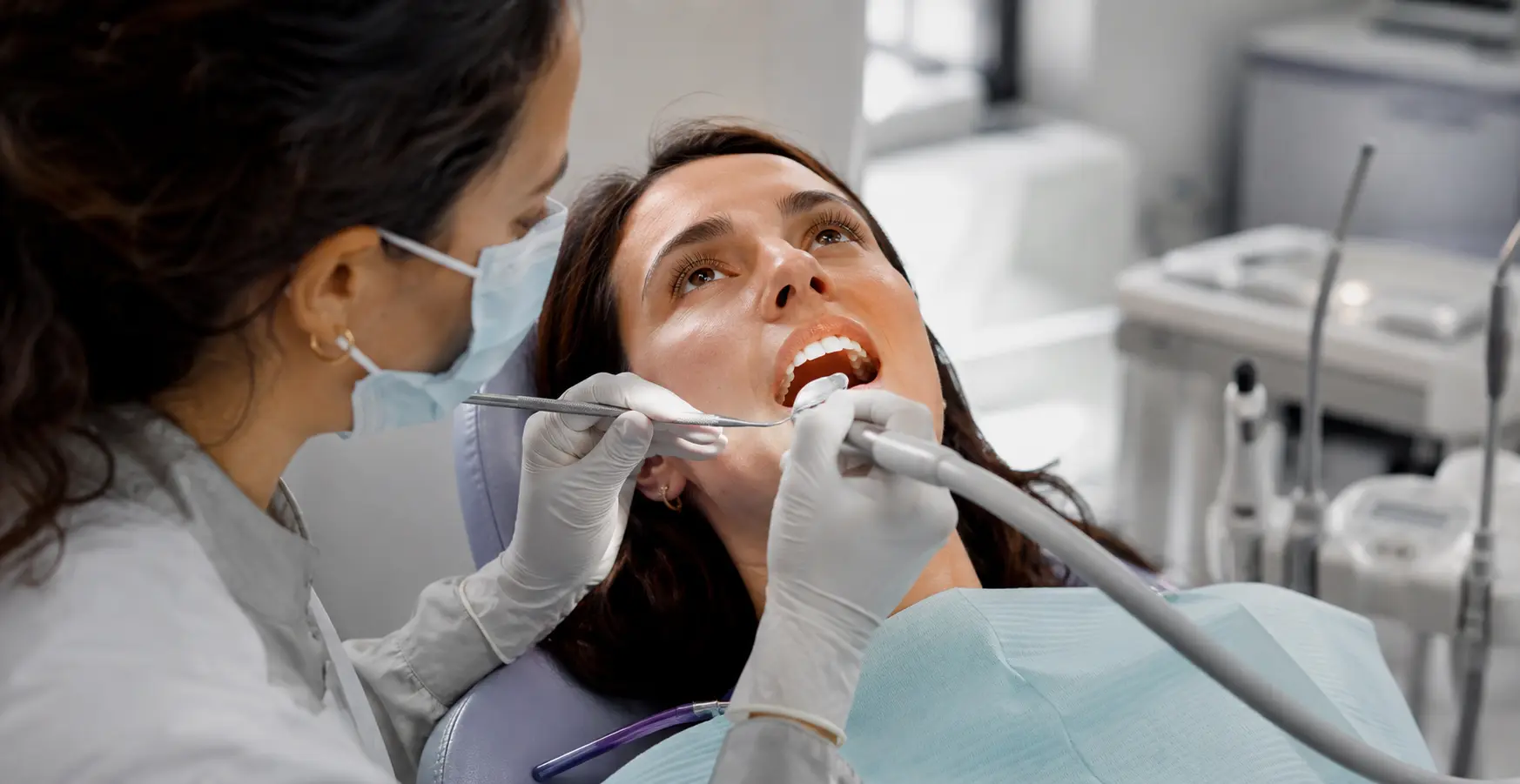
Tired of hiding your smile, struggling to eat normally, or feeling self-conscious about missing teeth? Full mouth dental implants could be the game-changing solution you’ve been searching for.
Understanding full mouth dental implants
Full mouth dental implants represent a comprehensive solution designed specifically for people missing all or most of their teeth. Rather than relying on removable dentures or bridges, this procedure involves surgically anchoring artificial tooth roots directly into your jawbone. Think of it like rebuilding your dental foundation from the ground up. The implants themselves are typically made from titanium, a biocompatible material that your body accepts naturally. Over several months, these roots fuse with your jawbone through a process called osseointegration, creating a stable base. Once that foundation is solid, custom-made replacement teeth are attached on top, giving you a complete smile that looks, feels, and functions like natural teeth. For young adults facing tooth loss from injury, decay, or genetic conditions, this approach offers a permanent alternative to the temporary nature of traditional dentures.
- Enhanced aesthetics and functionality
- Improved oral health and self-esteem
- Long-term durability and stability
Key benefits of full mouth implants
The advantages of full mouth implants extend far beyond just appearance, though that’s certainly a major benefit. Unlike dentures that sit on top of your gums, implants actually stimulate your jawbone, preventing the bone loss that naturally occurs when teeth are missing. This means your face maintains its natural shape and structure over time, rather than developing that sunken appearance many denture wearers experience. You’ll also eliminate the daily hassle of adhesives, cleaning solutions, and the embarrassment of dentures slipping during conversation or meals. Imagine eating an apple, corn on the cob, or a steak without worry. Many young adults report a dramatic boost in confidence after getting implants, feeling comfortable smiling in photos, speaking up in meetings, and engaging socially without self-consciousness. The implants are also incredibly durable, often lasting 20 to 30 years or more with proper care, making them a worthwhile long-term investment.
📘 Fix your day in under 2 minuteschoose where to begin:
The procedure and recovery process
The full mouth implant journey typically unfolds over 6 to 12 months, broken into distinct phases. First comes a comprehensive evaluation where your dentist assesses your jawbone density, overall health, and creates a detailed treatment plan. If your jawbone needs strengthening, bone grafting may be necessary, which adds time to the timeline. Next comes the surgical phase, where implants are placed into your jawbone under local anesthesia or sedation. This isn’t a single appointment but rather multiple surgeries spaced several months apart to allow healing. After each placement, your body needs time to integrate the implant with the bone, typically 3 to 6 months. During this waiting period, you might wear temporary teeth so you don’t have to go without a smile. Once osseointegration is complete, your dentist attaches abutments and finally your permanent replacement teeth. Recovery involves managing mild swelling and discomfort for the first week or two, which most people control easily with over-the-counter pain relief and ice packs.
Cost considerations and insurance coverage
Full mouth implants represent a significant financial investment, typically ranging from 20,000 to 45,000 dollars depending on several factors. Your location matters considerably, with urban areas and specialized implant centers often charging more than rural practices. The complexity of your case plays a huge role too. If you need bone grafting, extractions, or have other dental complications, costs climb. The specific materials and brand of implants used also affect pricing. Here’s the reality: most dental insurance plans classify implants as cosmetic and offer minimal or no coverage, though some plans cover a portion of the procedure. Before committing, request a detailed treatment plan with itemized costs and contact your insurance provider to understand exactly what they’ll cover. Many dental offices offer payment plans or financing options through third-party lenders, making the investment more manageable. Some young adults choose to spread treatments over time, doing one arch of implants now and the other later to distribute costs.
Maintenance tips for long-term success
Your full mouth implants will last decades, but only if you treat them like your natural teeth. Daily brushing with a soft-bristled toothbrush and flossing around each implant is non-negotiable. Many dentists recommend using a water flosser in addition to traditional floss, as it’s gentler on the implant area and easier to use. You’ll also need professional cleanings every 3 to 6 months, more frequently than regular dental patients, because implants require specialized care. Avoid smoking and excessive alcohol consumption, as both compromise healing and increase infection risk. Be mindful of what you chew on too. While implants are durable, they’re not indestructible. Avoid chewing on ice, hard candy, or using your teeth as tools. If you grind your teeth at night, ask your dentist about a night guard to protect your investment. Regular check-ups allow your dentist to monitor the health of your implants and catch any issues early before they become problems.
Full mouth dental implants offer a comprehensive solution for missing teeth, providing improved aesthetics, functionality, and long-term stability. Understanding the procedure, benefits, costs, and maintenance tips is essential for young adults considering this transformative dental treatment.
How long do full mouth dental implants last?
With proper care and maintenance, full mouth dental implants can last a lifetime. Regular dental check-ups and good oral hygiene practices are key to ensuring their longevity.
Is the full mouth implant procedure painful?
During the full mouth implant procedure, local anesthesia is used to minimize discomfort. The recovery period may involve some mild pain or swelling, which can be managed with prescribed medications.
Disclaimer: This article is for informational purposes only and is not a substitute for professional medical advice. Always consult a healthcare professional for personal guidance.
This guide has been prepared and reviewed by the GlobalHealthBeacon editorial team and reflects current medical research as of 2026. It provides structured, evidence-based information to support informed health decisions.
