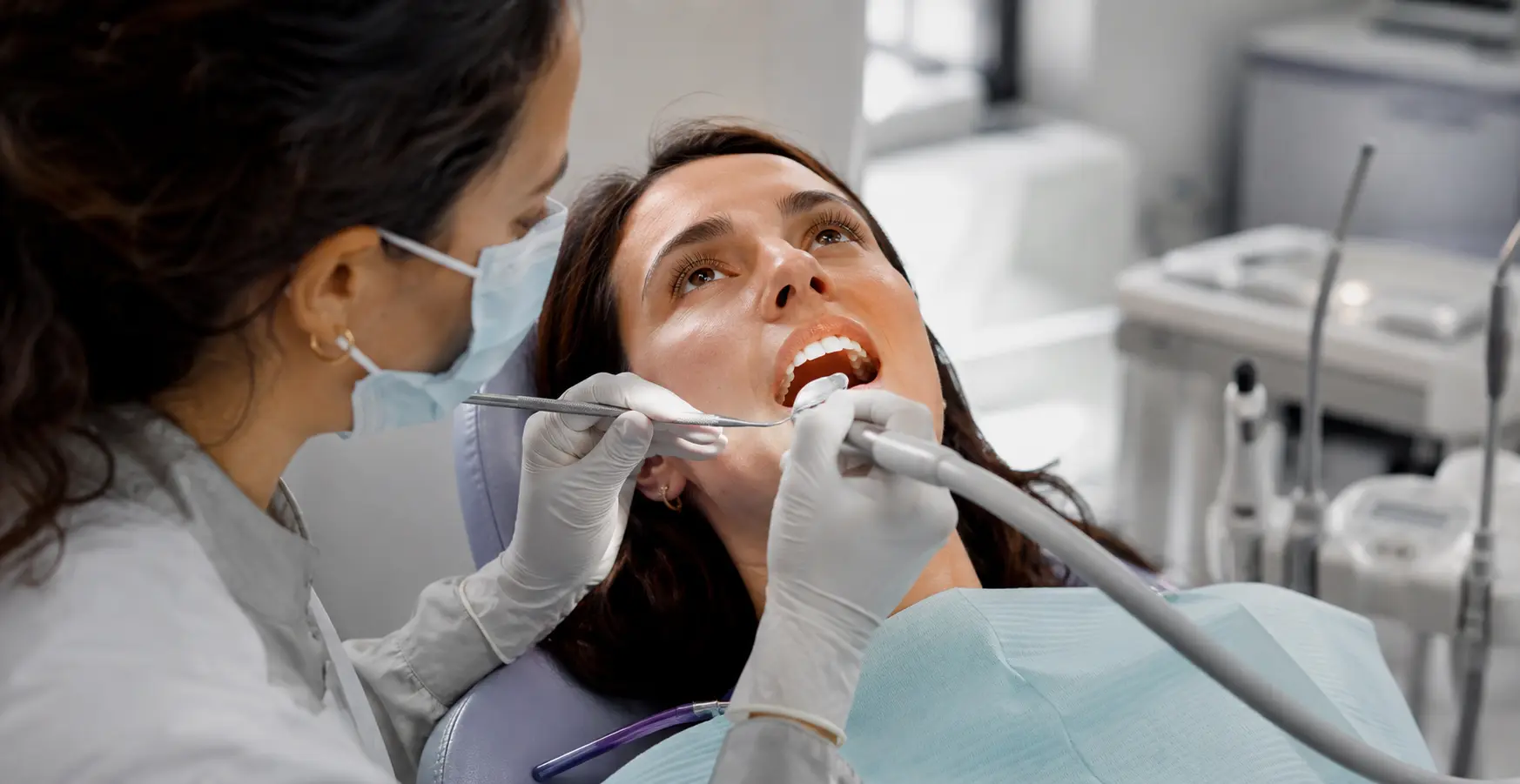
Imagine never having to hide your smile again or worry about your teeth falling out mid-conversation, and full mouth dental implants might be exactly what you need to reclaim your confidence.
What are full mouth dental implants?
Full mouth dental implants are a comprehensive tooth replacement solution designed for people who have lost all or most of their natural teeth. Unlike traditional dentures that sit on top of your gums, implants are surgically anchored directly into your jawbone, creating a stable foundation for a complete set of artificial teeth. Think of them as artificial tooth roots made from titanium that fuse with your bone over time. For a young adult who lost teeth to trauma, severe decay, or genetic conditions, implants offer a way to restore not just appearance but actual function. The process typically takes several months from start to finish, involving multiple appointments and healing periods. Your dentist will create a custom treatment plan based on your bone density, overall health, and specific needs. The result is a permanent smile that looks, feels, and functions like natural teeth.
- Permanent tooth replacement option that can last a lifetime with proper care
- Restores full function for eating, speaking, and smiling with confidence
- Enhances facial aesthetics and prevents the sunken appearance that comes with tooth loss
The process of getting full mouth implants
Getting full mouth implants is a journey that unfolds over several months. First comes the consultation where your dental specialist evaluates your jawbone structure, takes imaging scans, and discusses your medical history to ensure you are a good candidate. If you have significant bone loss, you might need a bone graft first, which adds extra time but strengthens your foundation. Next comes the surgical phase where implants are placed into your jawbone under local or general anesthesia. Most people experience some swelling and discomfort for a few days afterward, manageable with prescribed pain medication. Then comes the waiting period, typically three to six months, while your bone integrates with the implants in a process called osseointegration. During this time you wear temporary teeth so you can eat and function normally. Finally, your permanent teeth are attached to the implants. Follow-up visits ensure everything is healing properly and your bite feels right.
📘 Fix your day in under 2 minuteschoose where to begin:
Benefits of full mouth implants
The advantages of full mouth implants extend far beyond aesthetics. You regain the ability to eat foods you love without worrying about dentures slipping or breaking, from crunchy apples to chewy steak. Your speech improves because implants are fixed in place, eliminating the slurring or clicking that can happen with loose dentures. Bone loss, a major problem with traditional dentures, stops because implants stimulate your jawbone just like natural tooth roots do. This means your face maintains its natural shape and doesn’t develop that prematurely aged appearance. You also eliminate the daily hassle of removing dentures, soaking them overnight, and dealing with adhesives and pastes. Many young adults report a dramatic boost in self-esteem and social confidence, no longer hesitating to laugh freely or eat in front of others. The implants are also easier to keep clean with regular brushing and flossing, just like natural teeth.
Considerations for young adults
Before committing to full mouth implants, young adults need to weigh several important factors carefully. Cost is significant, typically ranging from 20,000 to 40,000 dollars depending on your location and specific needs, and insurance often covers little to none of it. The time commitment spans many months during which you’ll have multiple dental appointments and recovery periods. There are also risks to consider, including infection, implant failure in rare cases, and potential nerve damage that could affect sensation. Your bone density matters too; if you have insufficient bone, you’ll need grafting first, adding cost and time. Smoking and certain health conditions like uncontrolled diabetes can compromise healing. However, when you compare this to a lifetime of denture replacements, adhesives, and limitations, the investment often makes sense for young adults who will benefit for decades. Talk honestly with your dental team about your expectations, lifestyle, and any concerns.
Maintaining full mouth implants
Once your implants are in place, they require genuine commitment to maintenance, though the routine is straightforward. Brush twice daily with a soft-bristled toothbrush and floss daily, paying special attention to the areas where implants meet your gums. Some people use water flossers or specialized implant floss, which can be easier than traditional floss. Avoid hard or sticky foods that could damage your artificial teeth, and don’t use your teeth as tools. Regular dental checkups every six months allow your dentist to monitor implant health and catch any issues early. Skip smoking completely, as it significantly increases implant failure risk. Grinding your teeth at night can damage implants, so ask your dentist about a night guard if you grind. With these habits in place, your implants can genuinely last a lifetime, making them a smart long-term investment in your oral health and quality of life.
Full mouth dental implants provide a permanent, functional solution for tooth loss that restores eating ability, speech clarity, and genuine confidence. Young adults considering this option should carefully evaluate the cost, time commitment, maintenance requirements, and potential risks against the substantial long-term benefits. Consulting with a qualified dental professional helps you understand whether implants align with your specific situation and expectations.
Are full mouth implants suitable for young adults?
Yes, full mouth implants can be an excellent option for young adults who have lost all or most of their teeth due to trauma, severe decay, genetic conditions, or disease. Young adults often benefit most because they have decades to enjoy the implants and can commit to long-term maintenance. However, candidacy depends on bone density, overall health, and your ability to follow post-operative care instructions. A consultation with a dental implant specialist will determine if you are a good candidate and address any specific concerns related to your age or health status.
How long do full mouth implants last?
With proper care and maintenance, full mouth implants can last a lifetime, making them one of the most durable tooth replacement options available. The implants themselves are made from biocompatible titanium that rarely fails, though the artificial teeth attached to them may need replacement or adjustment after 15 to 20 years due to normal wear. Regular dental checkups, consistent oral hygiene, avoiding smoking, and protecting your implants from trauma all contribute to their longevity. Many patients who received implants 20 or 30 years ago still have fully functional implants today.
Others also read:
Disclaimer: This article is for informational purposes only and is not a substitute for professional medical advice. Always consult a healthcare professional for personal guidance.
This guide has been prepared and reviewed by the GlobalHealthBeacon editorial team and reflects current medical research as of 2026. It provides structured, evidence-based information to support informed health decisions.
