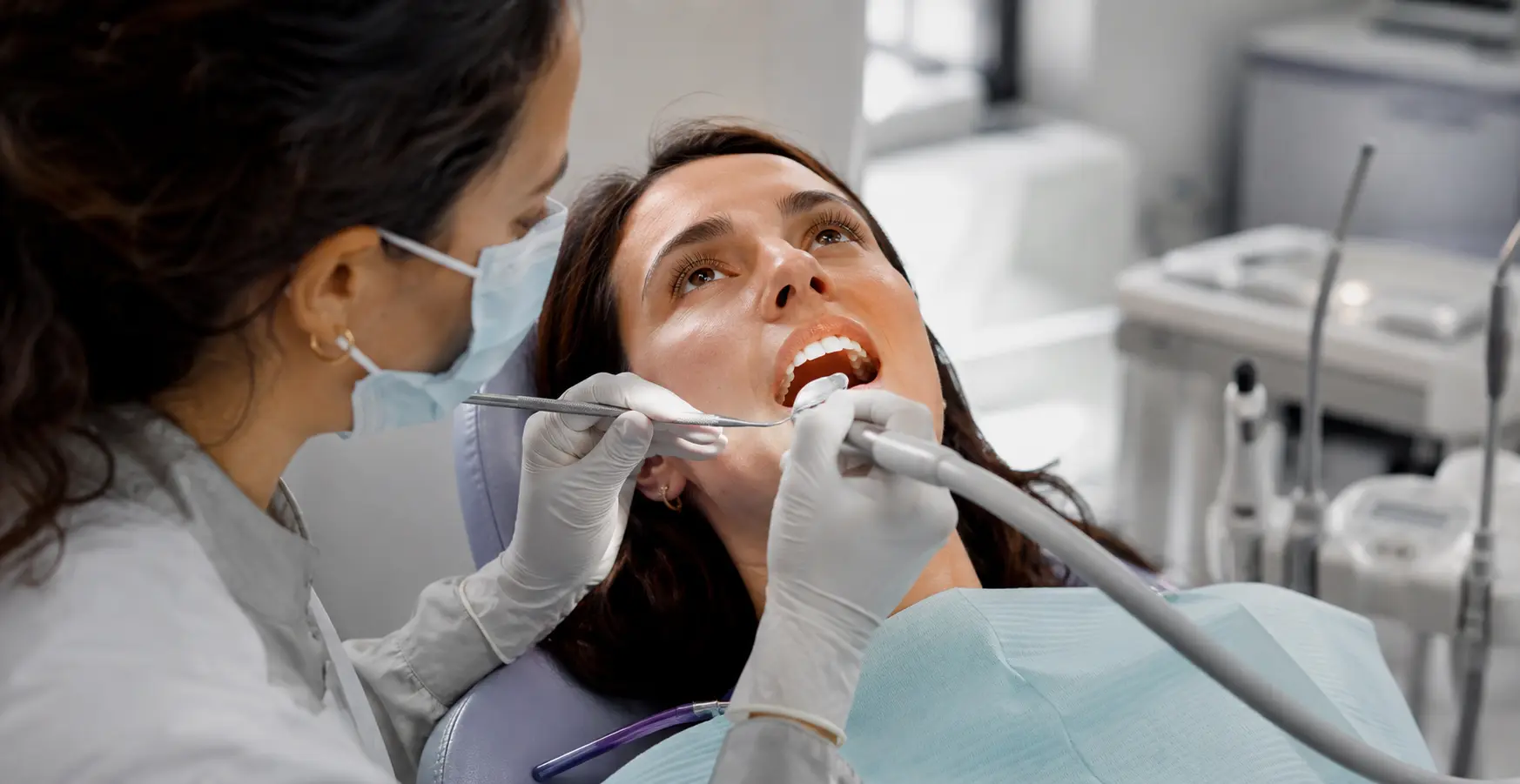
Tired of hiding your smile or struggling to eat the foods you love because of missing teeth? Full mouth dental implants might be the game-changing solution you’ve been searching for, and the science behind them is actually more straightforward than you think.
Understanding full mouth dental implants
Full mouth dental implants represent a comprehensive restoration approach for women and men facing the challenge of multiple missing teeth. Whether tooth loss stems from injury, advanced decay, periodontal disease, or years of wear, this procedure offers a pathway to reclaim oral function and confidence. Imagine waking up without worrying about dentures slipping during conversation or avoiding certain foods at social gatherings. Full mouth implants work by anchoring artificial tooth roots directly into your jawbone, creating a permanent foundation that mimics your natural tooth structure. Unlike removable dentures that require daily cleaning and adjustment, implants become part of your mouth. The procedure typically involves placing multiple implants throughout the jaw to support a complete set of replacement teeth, whether as individual crowns or a fixed bridge. For many women, this represents not just a dental solution but a restoration of quality of life, allowing them to speak clearly, chew confidently, and smile without hesitation.
The science behind full mouth implants
The magic of dental implants lies in a biological process called osseointegration, a term that describes how bone cells actually fuse directly to the implant surface. When a titanium implant is placed into your jawbone, your body recognizes it as a stable structure and begins depositing new bone around it, creating an incredibly strong bond that can last decades. This isn’t a quick process; osseointegration typically takes three to six months, during which the implant becomes increasingly secure. Think of it like how a tree’s roots grow deeper into soil over time, becoming more anchored and stable. The implant itself is usually made from biocompatible titanium, a material that your body accepts without triggering rejection or significant inflammation. Once osseointegration is complete, the implant can support the same biting forces as a natural tooth root, allowing you to eat, speak, and function normally. This scientific foundation explains why implants are so durable and why they prevent the bone loss that typically occurs when teeth are missing. For women concerned about long-term oral health, understanding this biological process provides reassurance that implants represent a scientifically sound investment.
Key steps in the full mouth implant process
The journey toward full mouth implants unfolds across several carefully planned phases. First comes the comprehensive consultation where a dental specialist evaluates your oral health, takes detailed imaging, and assesses bone density to determine if you’re a suitable candidate. This step is crucial because adequate bone volume is essential for successful implant placement. Your dentist will discuss your medical history, current medications, and any conditions like diabetes or osteoporosis that might affect healing. Next, the surgical placement phase involves positioning implants into the jawbone under local anesthesia or sedation. The surgeon creates small openings in the bone and carefully inserts each implant at precise angles and depths to ensure optimal load distribution. Many women appreciate that this step is less invasive than it sounds, with most patients experiencing minimal discomfort and returning to light activities within days. The healing period that follows is where patience becomes essential. During these months, your body performs the remarkable work of osseointegration, gradually anchoring each implant. Finally, once osseointegration is confirmed through imaging, your dentist attaches the prosthetic teeth, whether individual crowns, bridges, or a complete denture supported by the implants. This final step restores your smile and full chewing capability.
- Initial consultation with a dental specialist to assess oral health and bone density
- Surgical placement of dental implants into the jawbone under anesthesia
- Healing period of three to six months for osseointegration to occur
- Attachment of prosthetic teeth once implants are fully integrated
🔬 Science-backed benefits in 2 minuteschoose where to begin:
Benefits of full mouth implants
Full mouth dental implants deliver transformative benefits that extend far beyond aesthetics. Improved chewing efficiency means you can enjoy nuts, fresh vegetables, and other nutritious foods without restriction, supporting better overall nutrition and digestive health. Many women report that they can finally eat comfortably at restaurants or family dinners without anxiety about their teeth shifting or becoming visible. Enhanced oral health follows because implants don’t require grinding down adjacent healthy teeth like traditional bridges do, preserving your natural tooth structure. The natural-looking smile that results from modern implant dentistry is virtually indistinguishable from natural teeth, restoring confidence in social and professional settings. Perhaps most importantly, full mouth implants prevent the progressive bone loss that occurs when teeth are missing. When tooth roots are absent, the jawbone gradually resorbs, leading to facial collapse and the sunken appearance associated with traditional dentures. Implants stimulate the bone through chewing forces, maintaining bone density and facial structure. This means your face maintains its natural contours, preventing the aged appearance that often accompanies tooth loss. For women in their 50s, 60s, and beyond, this preservation of facial structure has profound implications for how they feel about their appearance and aging.
Potential risks and considerations
While full mouth dental implants boast high success rates, typically exceeding 95 percent, understanding potential complications helps you make an informed decision. Infection at the implant site can occur if post-operative care instructions aren’t followed carefully, though this is relatively rare with modern surgical techniques and antibiotic protocols. Nerve damage is another consideration, particularly if implants are placed near major nerve pathways, though experienced surgeons use advanced imaging to avoid this complication. Implant failure, where osseointegration doesn’t occur properly, happens in a small percentage of cases and may require removal and replacement. Sinus complications can arise if implants in the upper jaw extend into sinus cavities, though skilled surgeons account for sinus anatomy during planning. Some women experience temporary swelling, bruising, or discomfort after surgery, which typically resolves within one to two weeks. Peri-implantitis, an inflammatory condition affecting the tissues around implants, can develop if oral hygiene is neglected, similar to gum disease around natural teeth. The key to minimizing these risks involves selecting an experienced implant specialist, following all post-operative instructions meticulously, maintaining excellent oral hygiene, and attending regular follow-up appointments. Most complications are preventable or manageable with proper care.
Long-term maintenance of full mouth implants
Maintaining full mouth implants requires commitment to oral hygiene practices that are actually quite similar to caring for natural teeth. Daily brushing with a soft-bristled toothbrush and flossing around each implant removes plaque and prevents inflammation of surrounding tissues. Many women find that special implant-specific floss or water flossers make this easier than traditional floss. Regular dental check-ups, ideally every six months, allow your dentist to monitor implant health, check for any signs of peri-implantitis, and professionally clean areas that home care might miss. Avoiding certain habits significantly extends implant longevity; smoking restricts blood flow and impairs healing, while chewing hard foods, ice, or using teeth as tools can damage the prosthetic teeth or stress the implants. Some women benefit from wearing a night guard if they grind their teeth, protecting implants from excessive force during sleep. Maintaining overall health matters too, since conditions like uncontrolled diabetes can affect bone healing and implant stability. With these maintenance practices, many implants function beautifully for 20, 30, or even 40 years. The investment in daily care pays dividends in long-term functionality and confidence.
Full mouth dental implants serve as effective, scientifically proven solutions for restoring missing teeth through the biological process of osseointegration, where bone fuses directly to titanium implants. These implants offer multiple benefits including improved chewing function, enhanced oral health, natural appearance, and preservation of facial bone structure. While potential risks exist, they can be significantly mitigated through careful patient selection, experienced surgical placement, diligent post-operative care, and long-term maintenance. For women considering this option, understanding both the science and the commitment required empowers informed decision-making about restoring not just teeth, but quality of life and confidence.
Are full mouth dental implants suitable for everyone?
Full mouth dental implants are suitable for most individuals with missing teeth, but a thorough evaluation by a dental specialist is necessary to determine eligibility. Factors like bone density, overall health, smoking status, and conditions such as uncontrolled diabetes may affect candidacy. Some women with insufficient bone can still proceed after bone grafting procedures. Your specialist will assess whether implants are right for your specific situation.
How long do full mouth dental implants last?
With proper care and maintenance, full mouth implants can last a lifetime, with many functioning successfully for 20 to 40 years or more. The implants themselves are extremely durable, though the prosthetic teeth may eventually need replacement or adjustment. Regular dental check-ups, excellent oral hygiene, avoiding smoking and hard foods, and maintaining overall health are essential for achieving this longevity. Your commitment to maintenance directly influences how long your implants serve you.
Others also read:
Disclaimer: This article is for informational purposes only and is not a substitute for professional medical advice. Always consult a healthcare professional for personal guidance.
This article has been prepared and reviewed by the GlobalHealthBeacon editorial team and is based on current medical research and published scientific literature available in 2026. It provides structured, evidence-based information to support informed health decisions.
