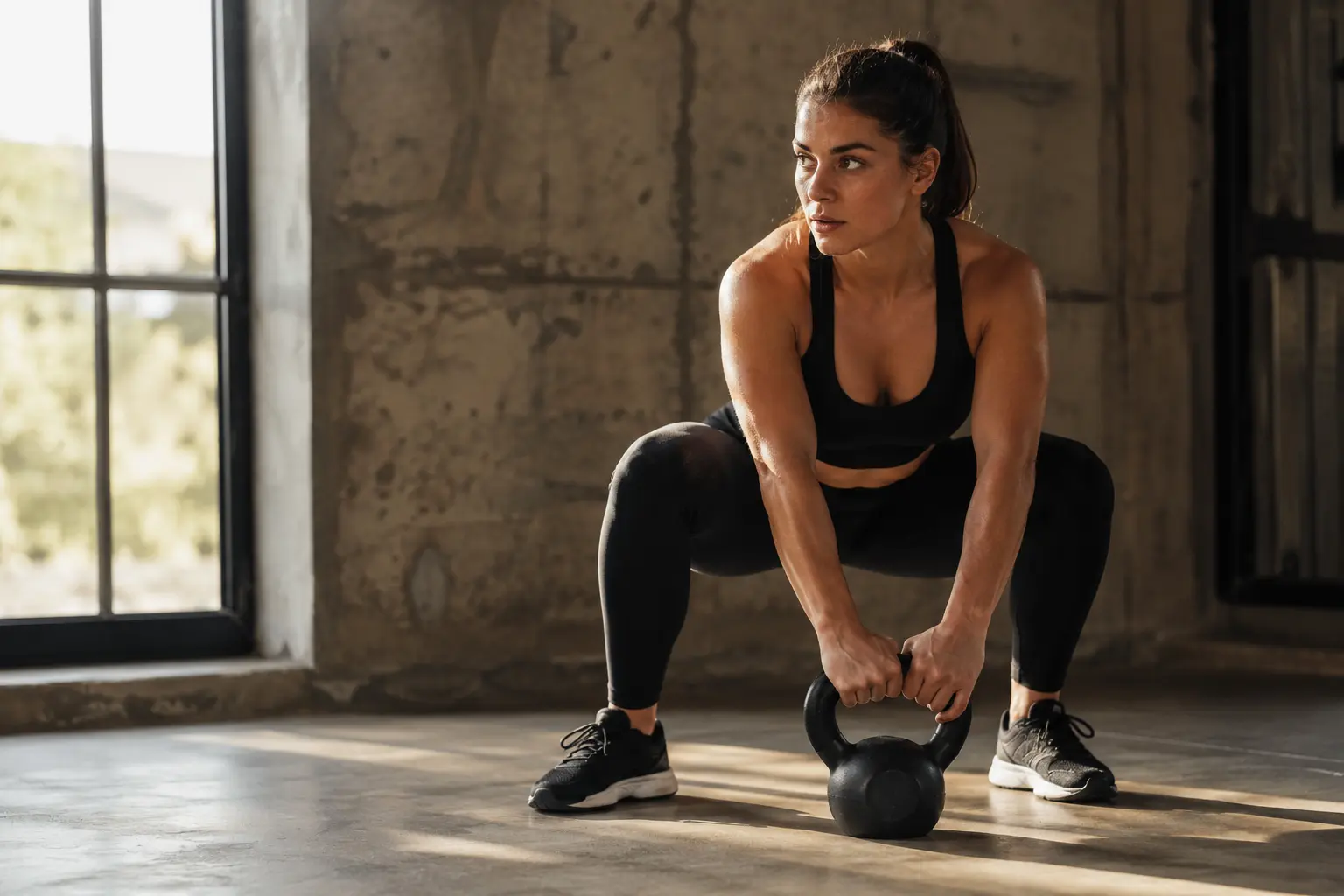
You’re tired of feeling weak during everyday tasks, struggling to carry groceries without strain, or noticing your body can’t keep up with what you demand of it, and functional strength training is exactly what changes that.
Understanding functional strength training
Functional strength training is built on a simple principle: train your body the way it actually moves in real life. Instead of isolating single muscles on machines, you perform compound movements that engage multiple muscle groups at once. Think about picking up a heavy box from the ground and placing it on a shelf. That movement requires your legs to stabilize, your core to brace, your back to extend, and your arms to lift. Functional training mimics this pattern. By training movements rather than muscles, you develop strength that translates directly to daily tasks. You’ll notice improvements in how you climb stairs, play sports, or simply move through your day with less effort and fatigue. The beauty of this approach is that it builds a foundation where your entire body works as an integrated system rather than isolated parts.
- Builds a solid foundation for better movement patterns
- Increases overall strength and muscle endurance
- Enhances the body’s ability to perform real-life tasks efficiently
Getting started with functional strength training
Starting functional strength training doesn’t require expensive equipment or a gym membership. Begin with bodyweight exercises that teach your body proper movement patterns. Squats teach you how to hinge at the hips and knees safely. Lunges develop single-leg stability, which is crucial for walking and climbing. Planks build core strength that protects your spine during daily activities. Push-ups engage your chest, shoulders, and core simultaneously. Spend two to three weeks mastering these movements with perfect form before adding weight. Once you’re comfortable, introduce resistance bands, which are affordable and portable, then progress to dumbbells or kettlebells. A practical approach is to perform three sessions per week, allowing rest days for recovery. Start with two to three sets of eight to twelve repetitions per exercise, focusing entirely on controlled movement rather than speed or heavy weight.
📘 Fix your day in under 2 minuteschoose where to begin:
Balancing cardiovascular workouts with strength training
Functional strength training becomes even more powerful when paired with cardiovascular exercise. Your heart and lungs need conditioning just as much as your muscles need strengthening. A balanced approach involves alternating between strength and cardio sessions throughout the week. For example, you might do functional strength training on Monday and Thursday, then add running, cycling, or swimming on Tuesday and Friday. This structure gives your muscles recovery time while maintaining cardiovascular fitness. You could also combine both in a single session by performing strength exercises with minimal rest between sets, which elevates your heart rate and provides cardio benefits simultaneously. Young adults often find that this combination prevents boredom, reduces injury risk by varying movement patterns, and delivers comprehensive fitness improvements. The key is consistency over intensity. A moderate routine you stick with for months beats an extreme routine you abandon after weeks.
Importance of proper form and technique
Poor form is the fastest path to injury and wasted effort. When you perform a squat with your knees caving inward, you’re not building strength efficiently and you’re stressing your joints in harmful ways. Proper form means moving through the full range of motion with control, maintaining neutral spine alignment, and engaging the correct muscles for each exercise. Film yourself performing movements or ask a friend to watch and provide feedback. Better yet, invest in one or two sessions with a certified fitness professional who can identify your movement patterns and correct imbalances before they become problems. Common mistakes include rushing through repetitions, using momentum instead of muscle control, and ignoring pain signals. Sharp pain is your body’s warning system and should never be ignored. A good rule: if you cannot maintain perfect form for a set, you’ve reached your limit for that exercise in that session. Quality repetitions always outweigh quantity.
Tracking progress and setting goals
Progress tracking transforms functional strength training from a vague routine into a measurable journey. Start a simple workout journal, either digital or paper, where you record the exercises, weights used, and repetitions completed each session. Over weeks and months, you’ll see clear evidence of improvement: lifting heavier weights, completing more repetitions, or performing movements that felt impossible before. Set specific, achievable goals like being able to perform ten perfect push-ups or deadlifting your body weight. Break larger goals into smaller milestones. Instead of aiming to transform your fitness in six months, celebrate when you add five pounds to your squat this week. This approach keeps motivation high and prevents the discouragement that comes from expecting overnight results. Review your journal monthly to identify patterns. Perhaps you’re stronger on certain days or certain exercises plateau while others progress steadily. This awareness helps you adjust your training strategically. Small wins compound into remarkable transformations when tracked consistently over time.
Functional strength training offers a holistic approach to fitness by improving everyday movement patterns, enhancing muscle strength, and promoting overall physical well-being. It involves a combination of bodyweight exercises, resistance training, and cardiovascular workouts, focusing on proper form and consistent progress tracking.
Can functional strength training help me lose weight?
While functional strength training can contribute to weight loss by boosting metabolism and building lean muscle mass, it should be combined with a balanced diet and cardio exercises for optimal results.
Is functional strength training suitable for beginners?
Yes, functional strength training is beginner-friendly and can be adapted to various fitness levels. Start with bodyweight exercises and gradually increase intensity as you build strength and confidence.
Disclaimer: This article is for informational purposes only and is not a substitute for professional medical advice. Always consult a healthcare professional for personal guidance.
This guide has been prepared and reviewed by the GlobalHealthBeacon editorial team and reflects current medical research as of 2026. It provides structured, evidence-based information to support informed health decisions.
