You’re struggling to get out of a chair without using your arms, climbing stairs leaves you winded, and you’re terrified of falling, but functional strength training could change everything.
What is functional strength training?
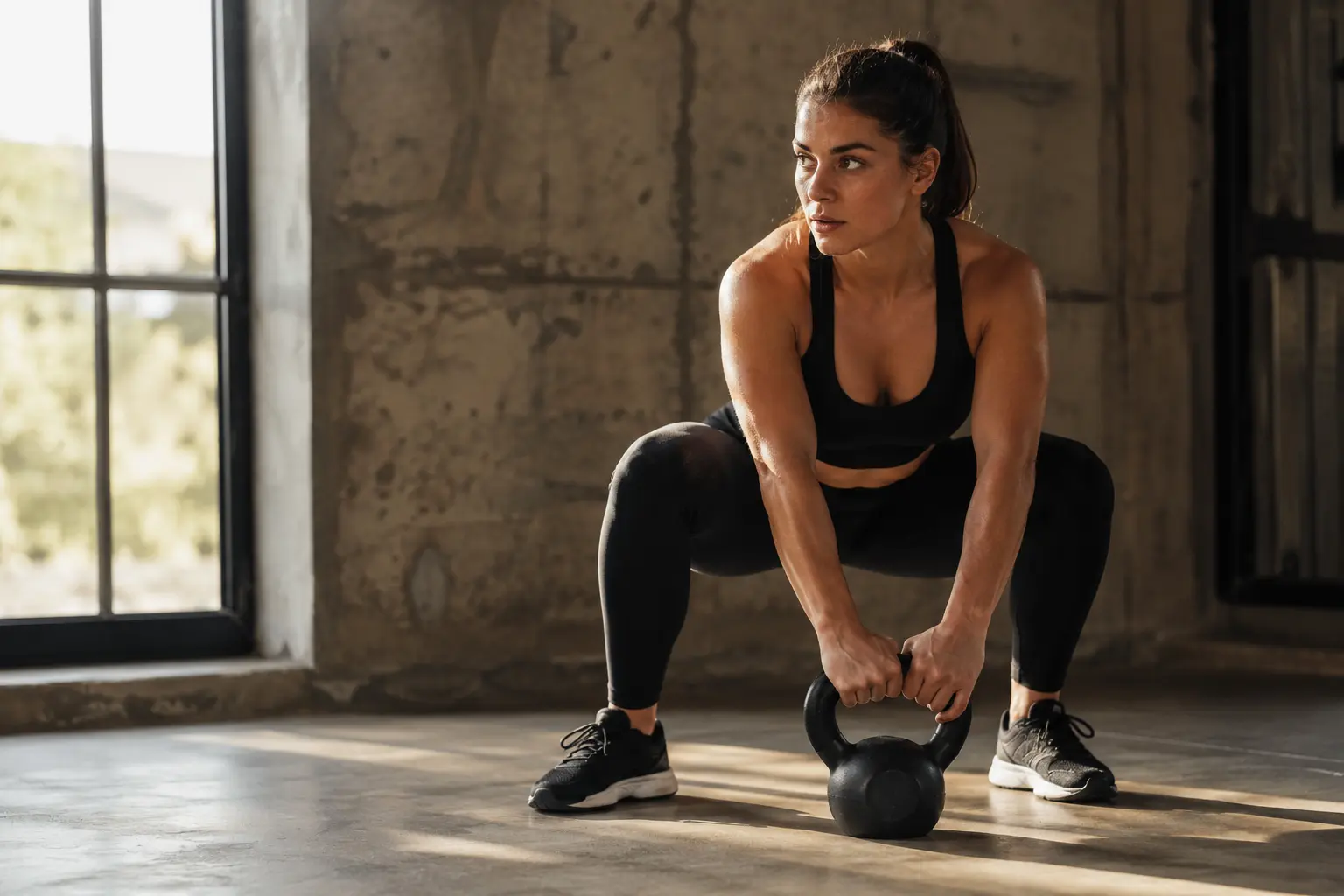
Functional strength training is exercise built around real life. Instead of isolating single muscles on a machine, you work your body the way it actually moves. Think about standing up from a seated position, carrying groceries, reaching for something on a high shelf, or bending down to pick up your grandchild. Functional exercises mimic these exact movements, engaging multiple muscle groups at once. Your legs, core, arms, and stabilizer muscles all work together, just like they do in daily activities. This integrated approach builds practical strength that directly translates to independence. A senior who does functional training doesn’t just get stronger in a gym sense; they become capable of handling life’s physical demands with confidence and reduced injury risk.
- Enhances muscle strength and endurance for daily tasks
- Improves overall balance and stability to prevent falls
- Promotes better joint mobility and flexibility throughout the body
Getting started with functional strength training
Before you begin, schedule a conversation with your doctor, physical therapist, or certified fitness professional who has experience with older adults. They’ll assess where you stand right now, identify any limitations or past injuries, and help you set goals that feel achievable. Start with bodyweight exercises like modified squats, wall push-ups, or step-ups. These require no equipment and let you focus on form. As you build confidence and strength, add light resistance bands or dumbbells. A typical beginner routine might include three exercises targeting legs, two for upper body, and one for core stability. Perform each exercise for 10 to 15 repetitions, rest briefly, then move to the next. Begin with just two sessions per week, allowing your body time to recover and adapt. Progress slowly, increasing reps or resistance only when movements feel controlled and comfortable.
📘 Fix your day in under 2 minuteschoose where to begin:
Benefits of functional strength training for seniors
The payoff extends far beyond muscle gain. Regular functional training improves your ability to live independently, whether that means managing household chores without help, traveling without exhaustion, or playing actively with grandchildren. You’ll notice improved balance, which directly reduces fall risk, a leading cause of injury in older adults. Your joints move more freely, everyday tasks require less effort, and your confidence grows noticeably. Many seniors report feeling more energetic throughout the day and sleeping better at night. The mental health benefits are equally important: you feel capable, strong, and in control of your body again. One 68-year-old participant described it as regaining permission to do the things she loved without fear. That’s the real transformation functional strength training offers.
Tips for safe and effective functional strength training
Safety starts with preparation. Spend five to ten minutes warming up with gentle movement like walking or arm circles to increase blood flow and prepare joints. During your workout, prioritize form over speed or weight. Moving slowly and deliberately with proper alignment prevents injury and maximizes results. If you feel sharp pain, stop immediately and consult your healthcare provider. Common mistakes include holding your breath, which raises blood pressure, so breathe steadily throughout each repetition. Stay hydrated before, during, and after exercise. Wear supportive, non-slip footwear. If you feel dizzy, lightheaded, or unusually fatigued, rest and reassess. Cool down for five minutes after finishing with gentle stretching to reduce soreness and support recovery. Listen to your body’s signals; some muscle fatigue is normal, but pain is a warning sign.
Incorporating functional strength training into your routine
Make it a habit by scheduling workouts the same days and times each week, treating them like important appointments you don’t cancel. Write your sessions in your calendar. Start with two days per week, ideally with at least one rest day between sessions. Many seniors find success with Monday and Thursday, or Tuesday and Friday schedules. Keep a simple log noting which exercises you did, how many reps, and how you felt. This creates accountability and lets you see progress accumulate over weeks and months. Celebrate small wins: the first time you do an extra repetition, when an exercise feels easier, or when you notice yourself moving through daily activities with less effort. Consider finding a workout buddy or joining a senior fitness class for motivation and social connection. Consistency matters far more than intensity, so aim for sustainable effort you can maintain long term.
Functional strength training offers seniors a practical and effective way to enhance their strength, balance, and overall well-being. By incorporating targeted exercises into their routine, seniors can experience improved mobility, reduced fall risk, and greater independence in their daily lives.
Is functional strength training suitable for seniors with existing health conditions?
Functional strength training can be adapted to suit various fitness levels and health conditions. It is advisable to consult with a healthcare provider or fitness professional before starting a new exercise routine to ensure your safety and well-being.
How often should seniors engage in functional strength training exercises?
Seniors can benefit from incorporating functional strength training exercises into their routine 2-3 times per week. It is important to allow for rest days between sessions to prevent muscle fatigue and promote recovery.
Others also read:
Disclaimer: This article is for informational purposes only and is not a substitute for professional medical advice. Always consult a healthcare professional for personal guidance.
This guide has been prepared and reviewed by the GlobalHealthBeacon editorial team and reflects current medical research as of 2026. It provides structured, evidence-based information to support informed health decisions.
