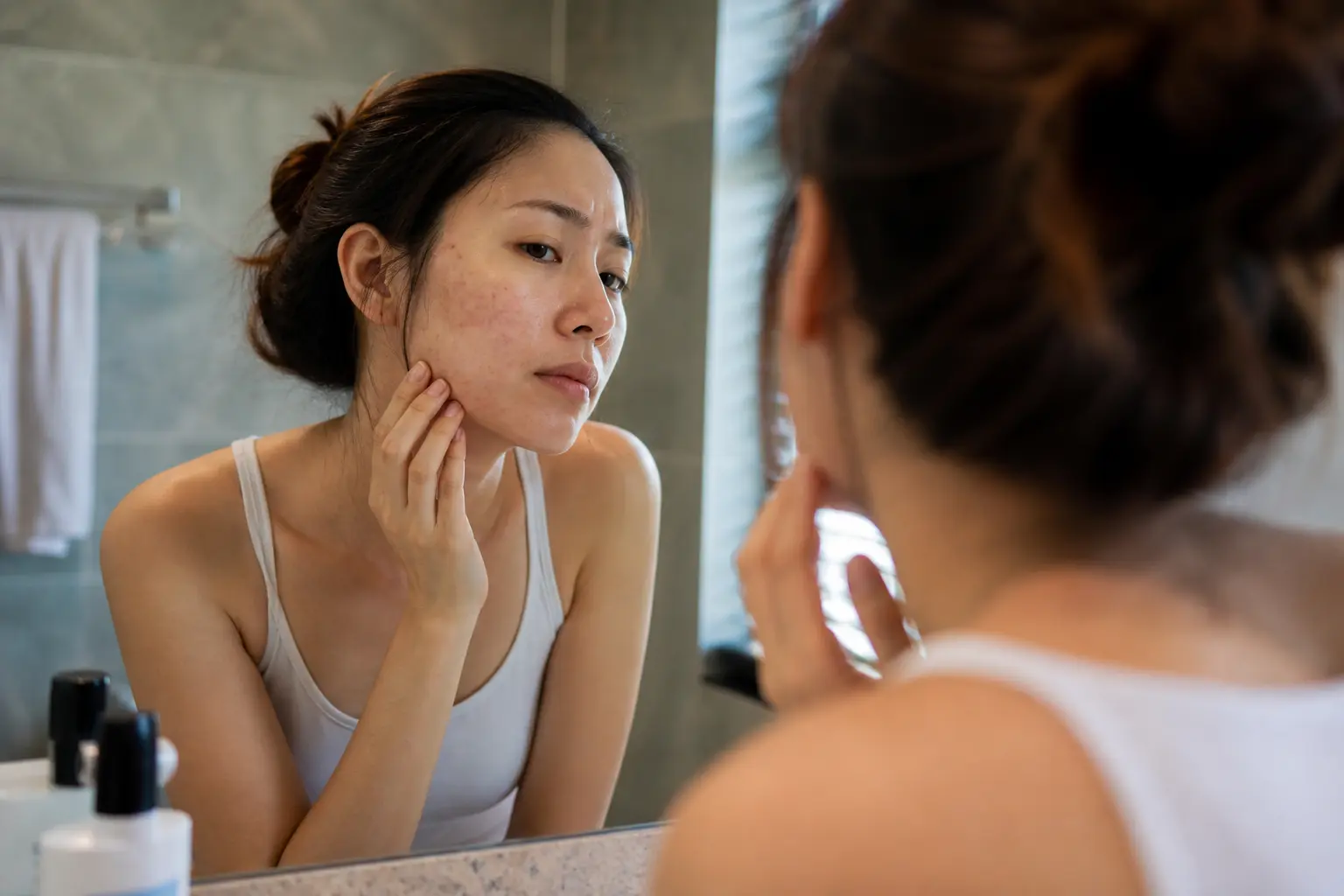
Your skin keeps breaking out, your digestion feels off, and nothing seems to help because nobody’s telling you the real story: your gut and your skin are having a conversation, and right now they’re arguing.
The basics of gut health and skin
Your gut is home to trillions of bacteria that do far more than just digest food. These microorganisms produce neurotransmitters, regulate inflammation, and control how your body absorbs nutrients. When your gut bacteria fall out of balance, a condition called dysbiosis, inflammation spreads throughout your body. That inflammation doesn’t stay hidden. It travels to your skin, triggering breakouts, redness, and sensitivity. Consider Sarah, a 32-year-old who struggled with persistent acne around her jawline for years. She tried every topical treatment available until a gastroenterologist suggested her frequent antibiotic use had wiped out her beneficial bacteria. By rebuilding her gut microbiome through dietary changes, her skin cleared within eight weeks. The connection is real and measurable. Your gut barrier acts as a gatekeeper, deciding what enters your bloodstream. When it weakens, toxins leak through, your immune system overreacts, and your skin pays the price with inflammation and breakouts.
- Eat a balanced diet rich in fiber, fruits, and vegetables to feed beneficial bacteria
- Stay hydrated to support digestion and skin health
- Limit processed foods and sugar to maintain gut balance
Probiotics and prebiotics for skin health
Probiotics are live beneficial bacteria that restore balance to your microbiome. Prebiotics are the food these bacteria need to thrive. Think of probiotics as new residents moving into your gut, and prebiotics as the groceries they need to survive. Fermented foods like yogurt, kefir, sauerkraut, and kimchi deliver live cultures directly to your digestive system. One study found that women consuming probiotic yogurt daily showed measurable improvements in skin hydration and reduced acne lesions within twelve weeks. Prebiotics come from foods like garlic, onions, asparagus, and bananas. These contain inulin and other fibers that selectively feed your good bacteria. A practical approach: start your day with a small serving of plain Greek yogurt topped with a sliced banana. This single meal combines probiotics and prebiotics in one simple step. If fermented foods aren’t appealing, consider a quality probiotic supplement, but food sources are always preferable because they provide additional nutrients and fiber your skin needs.
📘 Fix your day in under 2 minuteschoose where to begin:
Stress management techniques
Stress triggers a cascade of hormonal changes that damage your gut and skin simultaneously. When you feel anxious, your body releases cortisol, which increases stomach acid production, damages your gut lining, and signals your skin to produce excess oil. This is why breakouts often appear right before important events. Your nervous system controls your gut through the vagus nerve, a direct communication highway between your brain and digestive system. Meditation and deep breathing activate your parasympathetic nervous system, the part that calms everything down. Even five minutes of focused breathing before bed can shift your body from stress mode to recovery mode. Yoga combines movement, breathing, and mindfulness in one practice. A woman who practices gentle yoga three times weekly typically reports clearer skin within three weeks because the practice reduces cortisol and improves blood flow to the skin. Walking in nature, journaling, or listening to calming music all work similarly. The key is consistency. Your gut and skin don’t heal from occasional stress relief. They heal from daily practices that keep your nervous system balanced.
Skin-friendly foods to include
Certain foods contain nutrients that directly support skin barrier function and reduce inflammation from the inside. Fatty fish like salmon, mackerel, and sardines are rich in omega-3 fatty acids, which reduce inflammatory markers in your blood and strengthen your skin’s natural barrier. Eating salmon twice weekly provides enough omega-3s to make a visible difference in skin texture and sensitivity within four weeks. Avocados deliver healthy fats, vitamin E, and potassium that support skin elasticity and hydration. Nuts and seeds provide zinc, which regulates oil production and speeds wound healing. Berries contain anthocyanins, powerful antioxidants that protect your skin from oxidative stress. Dark leafy greens like spinach and kale provide lutein and zeaxanthin, which protect your skin from sun damage at the cellular level. A practical meal example: a lunch of grilled salmon with a side salad of spinach and avocado, topped with pumpkin seeds and blueberries, delivers nearly every nutrient your skin needs. You don’t need expensive supplements or exotic superfoods. Whole foods you can find at any grocery store work better because they contain nutrient combinations that work synergistically.
Developing a skincare routine
External skincare supports what you’re building from the inside. A routine doesn’t need to be complicated. Start with a gentle cleanser that removes dirt without stripping your skin’s natural oils. Harsh cleansers damage your skin barrier, which then becomes inflamed and more prone to breakouts. Follow with a hydrating toner or essence to restore pH balance, then apply a moisturizer suited to your skin type. Sunscreen is non-negotiable because sun damage accelerates aging and can trigger inflammatory skin conditions. A dermatologist can assess your specific skin type and concerns, recommending products that work with your gut healing efforts rather than against them. If you have acne, a dermatologist might suggest gentle retinoids or other evidence-based treatments that complement dietary changes. The mistake most women make is expecting external products to fix problems created internally. Skincare is the final step, not the first. A woman with poor gut health using expensive skincare will see minimal results. That same woman with excellent gut health using basic skincare will see dramatic improvement. Consistency matters more than complexity.
The gut-skin connection is not a trend. It’s biology. Your skin reflects what’s happening in your digestive system, your stress levels, and your nutritional status. By prioritizing gut health through a fiber-rich diet, incorporating probiotics and prebiotics, managing stress daily, eating nutrient-dense foods, and maintaining a simple skincare routine, you address the root cause of skin problems rather than just treating symptoms. Most women see measurable skin improvement within four to eight weeks of implementing these changes. Your skin is waiting for you to fix what’s underneath.
Can gut health impact skin conditions?
Yes, absolutely. An imbalance in gut bacteria triggers inflammation throughout your body, including your skin. This inflammation manifests as acne, eczema, rosacea, and sensitivity. When you restore gut balance, your skin typically improves within weeks because you’ve addressed the actual cause rather than just treating symptoms.
How can I promote a healthy gut-skin connection naturally?
Start with food. Eat more fiber, vegetables, and fermented foods. Add a daily stress management practice like meditation or walking. Drink adequate water. Limit processed foods and added sugar. Sleep seven to nine hours nightly because your gut repairs itself during sleep. If you’re taking antibiotics, ask your doctor about taking probiotics afterward. These changes work together to restore gut balance and clear your skin.
Others also read:
Disclaimer: This article is for informational purposes only and is not a substitute for professional medical advice. Always consult a healthcare professional for personal guidance.
This guide has been prepared and reviewed by the GlobalHealthBeacon editorial team and reflects current medical research as of 2026. It provides structured, evidence-based information to support informed health decisions.
