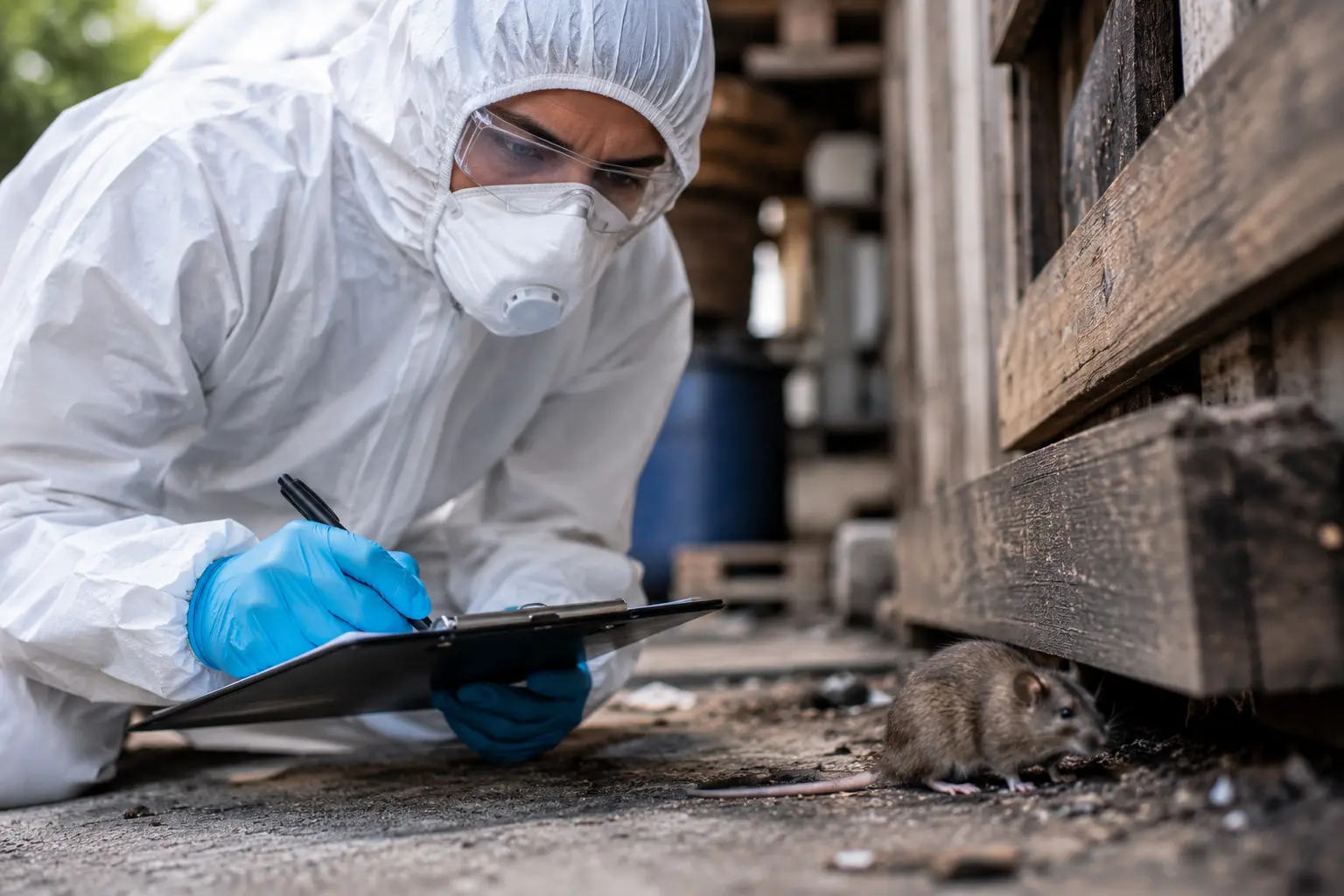
You find droppings in your pantry, notice a musty smell creeping through your bedroom, and suddenly you’re wondering if hantavirus and rodents are putting your health at serious risk.
Understanding hantavirus and rodents
Hantavirus is a serious respiratory illness spread primarily through contact with infected deer mice and their waste. For seniors, the stakes are higher because aging immune systems struggle to fight off severe infections. The virus lives in rodent droppings, urine, and saliva, and when you breathe in contaminated dust or accidentally touch your face after handling infected materials, the virus can enter your body. Picture this: you’re cleaning out a storage shed you haven’t used in months, and without realizing it, you’re stirring up decades of accumulated rodent waste. That invisible dust contains live virus particles. Within weeks, what feels like a bad flu could develop into Hantavirus Pulmonary Syndrome, a condition that affects your lungs and oxygen levels. Seniors living in rural areas, older homes with poor sealing, or those who spend time in basements and attics face the highest risk. Understanding this connection between rodents and your health is the first step toward protecting yourself.
- Keep rodent-infested areas in your home clean and well-ventilated.
- Seal gaps and cracks in your home to prevent rodent entry.
- Use traps instead of poison to control rodent populations in a safe manner.
Recognizing symptoms of hantavirus infection
The tricky part about hantavirus is that it mimics the flu so closely that many people don’t realize they have something more serious until it’s advanced. You might wake up with a fever, body aches, and fatigue that feels like a typical seasonal illness. Days pass, and you assume it will clear up on its own like it always does. But then the cough starts. It’s persistent and dry at first, then progresses to shortness of breath that worsens with activity. Your chest feels tight. You’re struggling to climb stairs or walk to the mailbox. This is when hantavirus becomes dangerous. The virus attacks your lungs, causing fluid buildup and making it harder for oxygen to reach your bloodstream. For seniors, this progression can happen quickly, sometimes within a week of initial symptoms. The critical window is recognizing that your symptoms are worsening rather than improving. If you’ve had recent contact with rodents or their droppings and develop fever, muscle aches, or respiratory symptoms, seek medical attention immediately. Early diagnosis makes a significant difference in outcomes.
📘 Fix your day in under 2 minuteschoose where to begin:
Preventing hantavirus transmission
Prevention starts with a simple principle: avoid direct contact with rodents and their waste. This sounds straightforward, but it requires consistent habits and awareness. When you’re working in areas where rodents might be present, always wear disposable gloves and a mask rated N95 or higher. Many seniors skip this step because they think a quick cleanup won’t hurt, but even brief exposure to contaminated materials can transmit the virus. Store all food in sealed containers, not just in cupboards where rodents can chew through cardboard. Take garbage out regularly and use bins with tight-fitting lids. Eliminate water sources like leaky pipes or standing water in basements, since rodents need water to survive. Seal entry points around your home with steel wool and caulk, paying special attention to gaps around pipes, vents, and foundation cracks. Keep your living spaces clutter-free because rodents love hiding in piles of papers, boxes, and stored items. If you live in a multi-unit building, coordinate with neighbors and your landlord on pest control efforts, since rodents move between units. These preventive steps require initial effort but dramatically reduce your risk.
Cleaning up after rodents
Cleaning rodent-contaminated areas demands careful technique because improper cleanup can actually increase your exposure to the virus. Never sweep or vacuum droppings, as this launches virus particles into the air where you’ll breathe them in. Instead, spray the area generously with a disinfectant solution containing bleach (one part bleach to nine parts water) and let it sit for several minutes. This kills the virus on contact. Wear your N95 mask and gloves throughout the process. Use paper towels to carefully wipe up the droppings and place them in a plastic bag. Spray the area again and wipe it clean. Double-bag all contaminated materials and dispose of them in your regular trash. Ventilate the space well by opening windows and doors. For large infestations or areas you’re unsure about, this is exactly when calling a professional makes sense. They have specialized equipment like HEPA vacuums and protective gear that goes beyond what most homeowners have. If you’re elderly, have respiratory issues, or feel uncomfortable with the process, professional cleanup is worth the investment. Your health is more important than saving a few dollars.
Seeking professional help
There’s no shame in calling a professional pest control service, especially as a senior managing your health and safety. If you discover a significant rodent infestation, notice droppings in multiple rooms, or suspect rodents in your attic or walls, professionals have the expertise and equipment to handle it safely. They’ll identify entry points, remove rodents humanely or with traps, and thoroughly clean contaminated areas using industrial-grade disinfectants. They also seal your home to prevent future infestations. The cost typically ranges from a few hundred to over a thousand dollars depending on the severity, but consider it an investment in your long-term health and peace of mind. Many seniors find that one professional treatment, combined with their own preventive maintenance, keeps rodents away for years. When interviewing pest control companies, ask about their experience with hantavirus prevention, their cleaning protocols, and whether they offer follow-up inspections. Some companies offer payment plans or senior discounts. If cost is a concern, contact your local health department, as they sometimes provide resources or referrals to affordable services. Taking action now prevents the much costlier scenario of developing a serious illness later.
Hantavirus is a serious threat transmitted by rodents, with seniors being particularly vulnerable. By understanding the risks, recognizing symptoms, taking preventive measures, and seeking professional help where needed, seniors can protect themselves from hantavirus infection.
Can hantavirus be transmitted from person to person?
No, hantavirus is not transmitted between people. It is contracted through direct contact with infected rodents or their waste.
Is there a vaccine for hantavirus?
Currently, there is no approved vaccine for hantavirus. Prevention focuses on avoiding contact with rodents and their habitats.
Others also read:
Disclaimer: This article is for informational purposes only and is not a substitute for professional medical advice. Always consult a healthcare professional for personal guidance.
This guide has been prepared and reviewed by the GlobalHealthBeacon editorial team and reflects current medical research as of 2026. It provides structured, evidence-based information to support informed health decisions.
