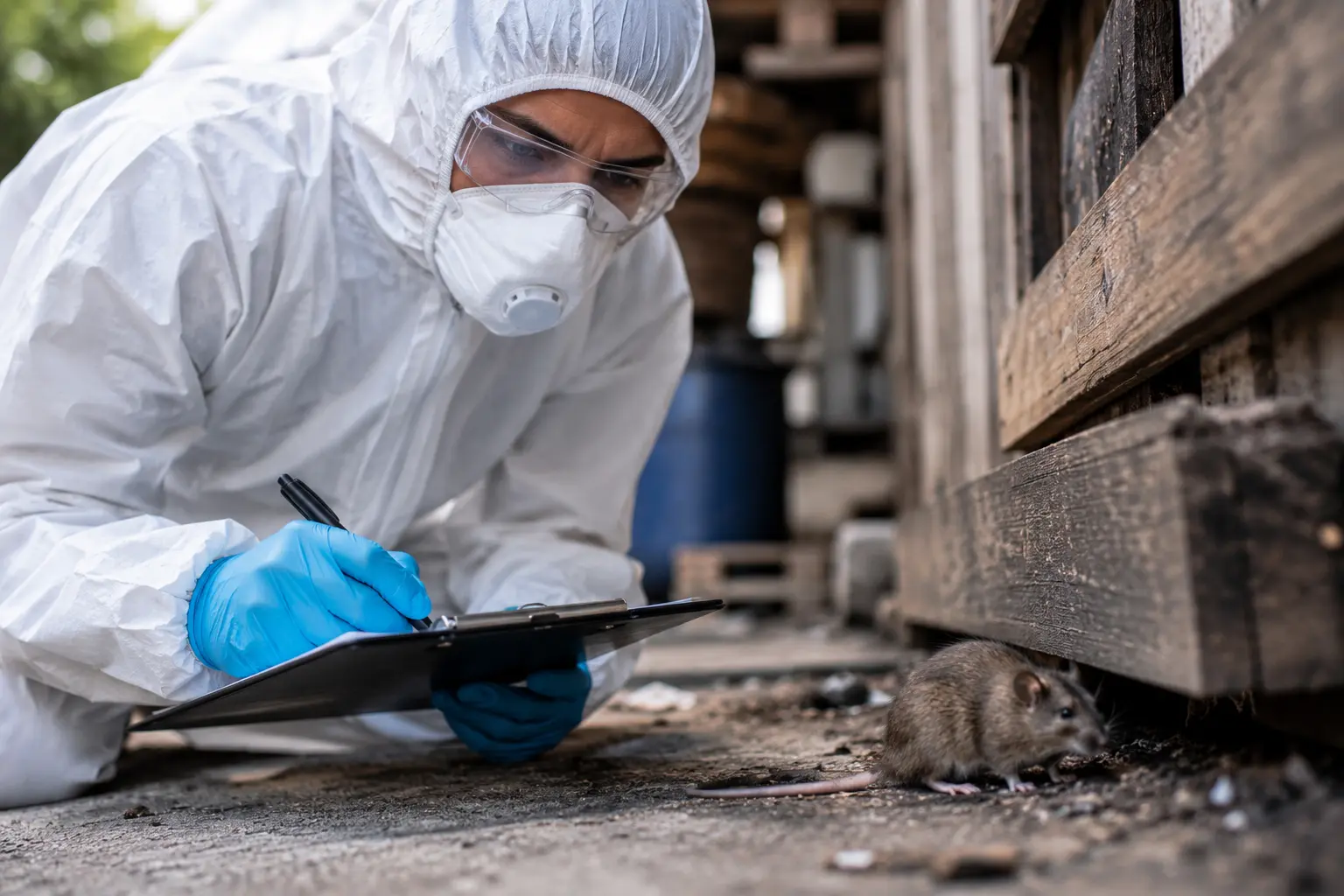
You wake up with a fever you can’t shake, muscle aches that won’t quit, and a creeping dread that something in your safe space is making you sick, only to discover hantavirus and rodents have invaded your home.
Recognizing the threat of hantavirus
Hantavirus often sneaks into your world through rodents you may never even see. Picture this: you’re cleaning out your garage or opening a cabin you haven’t visited in months, and suddenly you’re exposed to virus particles hiding in droppings, urine, or saliva left behind by mice or rats. The symptoms hit like a nasty flu that won’t budge. You start with fever and muscle aches so intense you can barely get out of bed, followed by exhaustion that makes even simple tasks feel impossible. What makes hantavirus particularly terrifying is how quickly it can escalate. Within days, respiratory distress can develop, leaving you struggling to breathe and facing a genuinely serious health situation. Many women describe the moment they realized what they were dealing with as a turning point, shifting from thinking they had a regular illness to understanding they’d been exposed to something far more dangerous lurking in the spaces they thought were theirs alone.
- Fever, muscle aches, and fatigue are common initial symptoms
- Respiratory distress can rapidly develop in severe cases
- Rodent droppings, urine, and saliva are common transmission sources
Dealing with the emotional toll
Discovering hantavirus in your home isn’t just a health crisis, it’s an emotional earthquake. Imagine the moment you realize that your bedroom, your kitchen, the place where you felt safest, has been contaminated by something invisible and dangerous. The anxiety floods in immediately. You replay memories of cleaning without gloves, opening windows, spending time in spaces now marked as hazardous. Fear becomes your constant companion as you wonder if you’ve already been infected, if your family members are at risk, if your home will ever feel safe again. Many women describe a sense of violation, almost like a break-in, because rodents have literally invaded your sanctuary. The uncertainty is perhaps the worst part. You don’t know how long the contamination has been there, how extensive it is, or what your next steps should be. This emotional weight can affect your sleep, your ability to focus at work, and your sense of security in your own space. Acknowledging these feelings as completely valid is the first step toward moving forward.
💬 Ready to feel better in 2 minutes?choose where to begin:
Taking preventive measures
Prevention starts with understanding where rodents enter and what they leave behind. Begin by sealing cracks and gaps around your home’s foundation, pipes, and vents, paying special attention to spaces smaller than a dime where mice can squeeze through. Inside, maintain meticulous cleanliness by regularly vacuuming and wiping down surfaces, storing food in airtight containers, and removing potential nesting materials like old newspapers or fabric scraps. When you do encounter rodent droppings or suspect contamination, this is where protective equipment becomes essential. Wear an N95 mask, gloves, and eye protection before touching anything. Spray the area with a disinfectant solution first to prevent particles from becoming airborne, then carefully clean and dispose of contaminated materials in sealed bags. Ventilate the space thoroughly during and after cleaning. For cabins or spaces that sit empty, inspect them carefully before spending time inside, and consider having professionals handle any significant contamination. These steps might feel tedious, but they’re your shield against invisible threats.
Seeking professional help
If you suspect hantavirus contamination in your home, professional guidance becomes non-negotiable. Start by contacting your healthcare provider if you’re experiencing symptoms like fever, muscle aches, or respiratory distress, and mention any potential rodent exposure. They can order tests to confirm hantavirus and discuss treatment options specific to your situation. For the contamination itself, professional cleaning and disinfection services have the expertise and equipment to properly handle the virus. They know exactly where rodents typically hide, how to safely remove contaminated materials, and which disinfectants are most effective. Attempting large-scale cleanup yourself can be risky and may not fully eliminate the threat. A professional assessment also gives you documentation and peace of mind that your space has been properly remediated. Many women find that investing in professional help, while it feels expensive in the moment, is worth every penny for the security of knowing their home is truly safe again. This isn’t an area to cut corners or hope the problem resolves itself.
Hantavirus in homes and cabins can pose a significant health threat, leading to flu-like symptoms and respiratory distress. Recognizing the signs, addressing the emotional toll, implementing preventive measures, and seeking professional assistance are crucial steps in safeguarding your well-being.
How can I protect myself from hantavirus?
To safeguard against hantavirus, maintain cleanliness, dispose of rodent waste properly, seal entry points for rodents, ventilate enclosed spaces, and wear protective gear when cleaning.
What should I do if I suspect hantavirus in my home?
If you suspect hantavirus contamination, seek medical advice promptly for diagnosis and treatment. Professional cleaning and disinfection services can eliminate the virus effectively.
Others also read:
Disclaimer: This article is for informational purposes only and is not a substitute for professional medical advice. Always consult a healthcare professional for personal guidance.
This article presents an experience-based perspective and has been reviewed by the GlobalHealthBeacon editorial team in 2026. It provides structured, evidence-based information to support informed health decisions.
