You wake up with a fever, muscle aches that won’t quit, and a nagging cough that feels different from any cold you’ve had before, and you start wondering if you picked something up during that camping trip last month, which is exactly why hantavirus explained simply matters right now because this isn’t just another flu-like illness you can ignore.
What is hantavirus?
Hantavirus is a serious viral infection that emerges from an unexpected source: infected rodents. When you encounter rodent urine, saliva, or droppings, particularly in enclosed spaces like attics, basements, or storage areas, you’re potentially exposing yourself to this virus. The infection can develop into Hantavirus Pulmonary Syndrome (HPS), which affects your lungs and breathing, or Hemorrhagic Fever with Renal Syndrome (HFRS), which impacts your kidneys and blood vessels. Think of it this way: a young adult cleaning out a garage finds old mouse droppings while organizing boxes. Without proper protection, inhaling particles from those droppings could introduce the virus into their respiratory system. The virus doesn’t spread through casual contact with other people, which is actually reassuring. Instead, your risk comes directly from rodent contact or contaminated environments. Understanding this distinction helps you know exactly where to focus your prevention efforts.
- Symptoms can include fever, muscle aches, fatigue, and shortness of breath, often appearing 1 to 8 weeks after exposure.
- Preventive measures include keeping living areas clean of rodent infestations, sealing entry points, and avoiding direct contact with rodents and their droppings.
- Early detection and medical care are crucial for a positive outcome, as severe cases require hospitalization and intensive respiratory support.
Transmission and risk factors
Hantavirus transmission happens through inhalation of contaminated particles, not through person-to-person contact. Imagine you’re a construction worker renovating an old barn, or a farmer cleaning out a shed that’s been undisturbed for months. These situations create high-risk exposure scenarios because rodent populations thrive in undisturbed spaces. Your occupation matters here: farmers, construction workers, pest control professionals, and outdoor enthusiasts face elevated risk. Geographic location plays a role too. Rural areas, particularly in the western United States, have higher rodent populations carrying the virus. Even living in a suburban home near fields or wooded areas increases your exposure potential. Young adults who enjoy camping, hiking, or staying in cabins should understand that rodent-infested shelters pose genuine risks. The virus becomes airborne when infected rodent droppings are disturbed, swept, or vacuumed without proper containment. A single exposure event can be enough for infection to take hold, which is why understanding your personal risk factors helps you take appropriate precautions in your specific situation.
📘 Fix your day in under 2 minuteschoose where to begin:
Recognizing common symptoms
Early hantavirus symptoms mimic the flu so closely that many people initially dismiss them as seasonal illness. You might experience fever, chills, muscle aches, and fatigue that seem like a typical viral infection. However, hantavirus symptoms progress differently. After the initial phase, you may develop a dry cough and shortness of breath as the virus attacks your lungs. This respiratory phase is where hantavirus becomes dangerous. A young adult might feel unwell for a few days, think they’re recovering, then suddenly experience difficulty breathing or chest tightness. This progression from flu-like symptoms to respiratory distress is the critical warning sign. Some people also report headaches, dizziness, or abdominal pain. The timeline matters: symptoms typically appear 1 to 8 weeks after exposure, so you might not immediately connect your illness to that rodent-infested space you visited weeks earlier. Recognizing this pattern helps you seek medical attention before complications worsen. If you’ve had recent rodent exposure and develop respiratory symptoms alongside fever and muscle aches, medical evaluation becomes urgent rather than optional.
Diagnosis and treatment options
Diagnosing hantavirus requires specific blood tests that detect antibodies or viral material in your system. Your doctor will likely order these tests if you report respiratory symptoms combined with recent rodent exposure. Chest imaging, usually X-rays or CT scans, reveals characteristic lung abnormalities that help confirm hantavirus pulmonary syndrome. The imaging often shows fluid in the lungs or specific patterns that distinguish hantavirus from other respiratory infections. Unfortunately, no antiviral medication specifically targets hantavirus, which is why early diagnosis and supportive care become your best tools. Treatment focuses on managing your symptoms and preventing complications while your immune system fights the virus. This means hospitalization for moderate to severe cases, where medical teams monitor your oxygen levels, provide respiratory support if needed, and manage fluid balance carefully. Doctors may use mechanical ventilation for patients with severe respiratory distress. Pain management, fever reduction, and careful monitoring of kidney and heart function are standard components of care. Recovery depends on how quickly you receive medical attention and how severely the virus affects your lungs. Some people recover fully within weeks, while others experience longer recovery periods with lingering fatigue.
Prevention and control
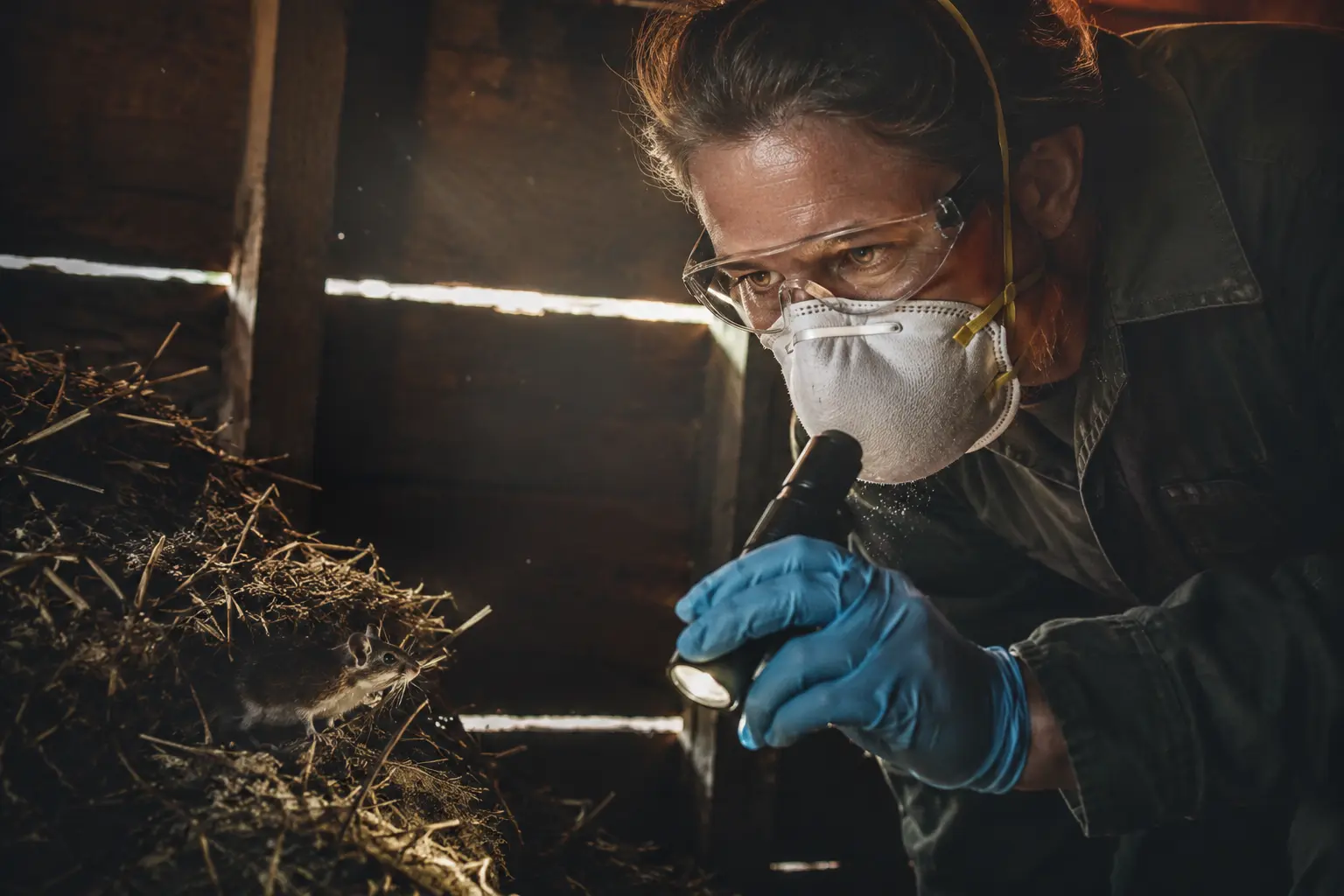
Preventing hantavirus infection requires a multi-layered approach that addresses both your environment and your behavior. Start by rodent-proofing your living space: seal cracks and holes larger than one-quarter inch, install door sweeps, and screen vents and chimneys. Remove food sources by storing pantry items in sealed containers and securing garbage in rodent-proof bins. Eliminate clutter where rodents hide, including stacks of boxes, old newspapers, or unused furniture. When cleaning areas with potential rodent droppings, never sweep or vacuum dry materials, as this aerosolizes the virus. Instead, spray the area with disinfectant, let it sit for several minutes, then wipe with damp cloths while wearing gloves and a mask. For significant infestations, hire professional pest control services rather than handling it yourself. If you work in high-risk environments like farms or construction sites, wear appropriate protective equipment including respiratory masks and gloves. Educate yourself and your household about these risks so everyone follows prevention protocols. Young adults who camp or use cabins should inspect sleeping areas for rodent signs before settling in, and avoid using potentially contaminated bedding or food storage areas. These practical steps significantly reduce your infection risk.
Hantavirus is a serious viral infection transmitted by infected rodents that can lead to severe respiratory complications or kidney damage. Understanding transmission routes, recognizing early symptoms, knowing your personal risk factors, and implementing practical prevention measures form your complete defense strategy against this virus. Awareness combined with action protects you and those around you.
Can hantavirus be cured?
There is no specific cure for hantavirus, but early detection and prompt medical care significantly improve outcomes. Treatment focuses on supporting your body while fighting the infection through hospitalization, oxygen therapy if needed, and careful monitoring of vital organ function.
Is hantavirus common?
Hantavirus infection is rare overall, with fewer than 100 cases reported annually in the United States, but cases have been documented in several countries worldwide. Your actual risk depends on your geographic location, occupation, and exposure to rodent-infested environments.
Disclaimer: This article is for informational purposes only and is not a substitute for professional medical advice. Always consult a healthcare professional for personal guidance.
This guide has been prepared and reviewed by the GlobalHealthBeacon editorial team and reflects current medical research as of 2026. It provides structured, evidence-based information to support informed health decisions.
