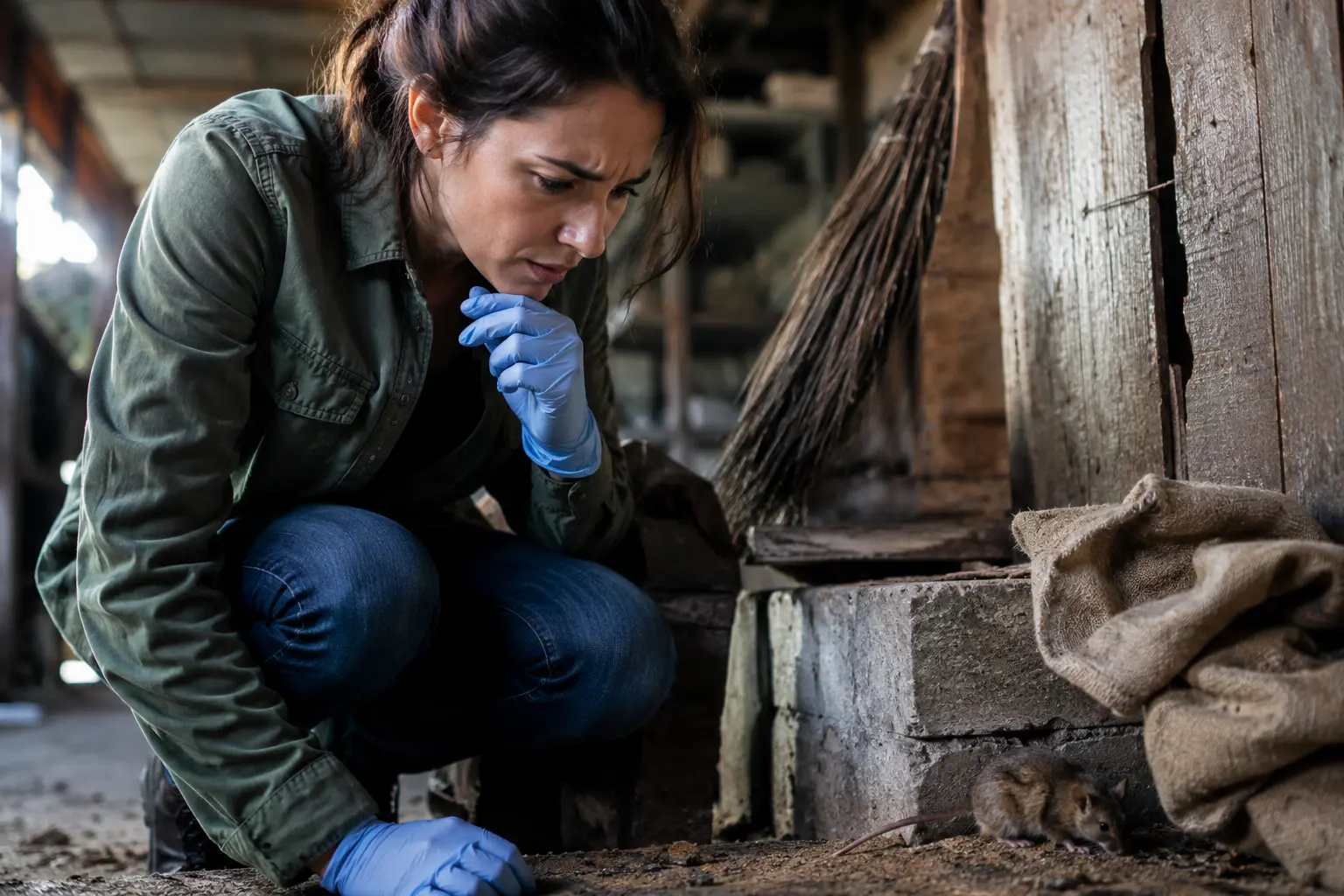
You feel fine one day, then suddenly you’re hit with what seems like the worst flu ever, except something feels different and scarier than normal, which is exactly why understanding hantavirus facts and myths could literally save your life.
Understanding hantavirus: what it is and how it spreads
Hantavirus is a serious respiratory illness caused by exposure to infected rodent droppings, urine, or saliva. Think of it this way: you’re cleaning out a storage shed or attic, disturbing dust that has accumulated over months, and unknowingly inhaling particles from a mouse nest. That’s how transmission typically happens. The virus enters through your lungs when you breathe in contaminated air, not through your skin or by touching an infected rodent directly. Young adults often underestimate this risk because they’re more likely to engage in outdoor activities, camping trips, or renovation projects in older buildings where rodents nest. The challenge is that early symptoms feel exactly like the flu: fever, muscle aches, fatigue, and headache. By the time you realize something is seriously wrong, the virus may have already progressed. Understanding transmission routes helps you recognize risky situations before they become dangerous. Rodent control and proper decontamination of affected spaces are your first lines of defense.
- Hantavirus is mainly spread through the inhalation of contaminated particles from rodent droppings or urine.
- Early symptoms can mimic the flu, making diagnosis challenging without specific testing and medical evaluation.
- Preventive measures include rodent control, sealing entry points, and proper cleaning of potentially contaminated areas using appropriate safety equipment.
Debunking common myths about hantavirus
Myth one: hantavirus is everywhere and you can catch it from casual contact with rodents. Reality: transmission requires inhalation of aerosolized particles, not a bite or scratch. Myth two: if you see a dead mouse, you’re automatically infected. Reality: a single exposure doesn’t guarantee infection, though it does increase risk if particles become airborne during cleanup. Myth three: hantavirus only affects people in rural areas. Reality: urban apartments with rodent infestations pose equal risk. A young adult living in a city apartment who discovers a mouse nest in the walls faces the same danger as someone in a cabin. Myth four: antibiotics or antivirals can cure hantavirus. Reality: no specific cure exists; treatment focuses on managing symptoms and supporting your body through the infection. Myth five: you’ll know immediately if you’ve been exposed. Reality: symptoms take one to five weeks to appear, creating a dangerous window where you feel fine but the virus is multiplying in your system. Separating these facts from fiction empowers you to respond appropriately when actual exposure occurs.
📘 Fix your day in under 2 minuteschoose where to begin:
Recognizing hantavirus symptoms: what to watch out for
The first phase feels deceptively like a regular illness. You experience fever, muscle aches, fatigue, headache, and sometimes dizziness or chills. Many young adults dismiss these as a normal cold and continue their routines. Then, typically four to ten days later, the second phase arrives with alarming speed: shortness of breath, coughing, chest tightness, and a feeling that your lungs are filling with fluid. This progression is the critical warning sign that distinguishes hantavirus from ordinary flu. You might notice your oxygen levels dropping, your lips taking on a bluish tint, or an overwhelming sense of suffocation. At this point, hospitalization becomes necessary. Consider this scenario: you spent a weekend at a family cabin, cleaned out the storage room, and two weeks later develop what feels like the worst respiratory infection of your life. You struggle to breathe while climbing stairs or walking across a room. That’s when you need emergency care immediately. Early detection and prompt medical intervention during this phase significantly improve survival rates. Don’t wait for symptoms to worsen; seek professional evaluation as soon as respiratory symptoms develop after potential exposure.
Taking precautionary measures: how to minimize your risk
Start by identifying high-risk environments in your life. Are you renting an older apartment? Do you spend time in cabins, storage areas, or basements? Do you work in construction or property maintenance? These situations increase your exposure likelihood. Next, implement practical protective strategies. Seal cracks and holes in your living space where rodents enter. Store food in sealed containers and eliminate clutter where rodents hide. If you discover evidence of rodents, never vacuum or sweep droppings; instead, spray the area with disinfectant, let it sit for five minutes, then carefully wipe with paper towels. When cleaning potentially contaminated spaces, wear an N95 mask, gloves, and eye protection. Ventilate the area well. Consider hiring professional pest control rather than handling it yourself, especially if infestation is significant. For outdoor activities, avoid disturbing rodent burrows or nests. If you camp or hike, keep your tent sealed and store food away from sleeping areas. Young adults who work in agriculture, forestry, or outdoor recreation should take these precautions seriously. Small consistent actions prevent the high-risk situations that lead to infection.
Seeking medical help: when to consult a healthcare professional
The timeline matters enormously with hantavirus. If you remember potential exposure within the past month and develop any flu-like symptoms, contact your doctor immediately and mention the possible exposure. Don’t assume it’s a regular illness. Tell your healthcare provider specifically about activities that might have exposed you: cleaning rodent-infested spaces, camping in areas with rodent activity, or working in environments where rodent droppings are present. This information guides them toward testing for hantavirus rather than treating you for common flu. If you develop respiratory symptoms like shortness of breath, chest tightness, or coughing within two weeks of potential exposure, seek emergency care without delay. These symptoms indicate the infection is progressing to a critical stage. In an emergency room, be explicit about your exposure history. Hantavirus is rare enough that doctors might not immediately consider it without your input. Treatment focuses on supportive care: oxygen therapy, mechanical ventilation if needed, and management of fluid in your lungs. Early hospitalization during the respiratory phase provides the best chance for recovery. Don’t minimize your symptoms or delay seeking help because you’re young and usually healthy; hantavirus doesn’t discriminate by age or fitness level.
Hantavirus transmission occurs through inhalation of particles from infected rodent droppings, not casual contact. Symptoms progress from flu-like illness to serious respiratory distress within weeks. Practical prevention involves rodent control, proper decontamination procedures, and identifying high-risk environments in your life. Recognizing the progression from early symptoms to respiratory distress is crucial for seeking timely medical intervention. Understanding hantavirus facts and myths empowers you to respond appropriately if exposure occurs, potentially saving your life through early detection and proper treatment.
Can hantavirus be cured with antibiotics?
No, there is no specific treatment or cure for hantavirus infection. Antibiotics do not work against viral infections. Treatment consists entirely of supportive care in a hospital setting, including oxygen therapy, mechanical ventilation if needed, and management of fluid buildup in the lungs. Your body’s immune system must fight the infection while medical professionals support your vital functions.
Is hantavirus common in urban areas?
Hantavirus is more prevalent in rural settings where rodent populations thrive in natural environments. However, urban areas with significant rodent infestations pose equal risk. Older apartment buildings, warehouses, and urban properties with poor rodent control can harbor infected mice. Young adults living in cities should not assume they are safe from hantavirus exposure.
Disclaimer: This article is for informational purposes only and is not a substitute for professional medical advice. Always consult a healthcare professional for personal guidance.
This guide has been prepared and reviewed by the GlobalHealthBeacon editorial team and reflects current medical research as of 2026. It provides structured, evidence-based information to support informed health decisions.
