You’re feeling unusually exhausted, your muscles ache for no reason, and you can’t shake this weird fever, so naturally you panic and start googling symptoms at 2 AM, only to stumble onto hantavirus outbreak explained and now you’re spiraling because you camped last month and touched some old rodent droppings without thinking twice.
What is hantavirus?
Hantavirus is a serious virus transmitted to humans through contact with infected rodents, primarily deer mice, cotton rats, and rice rats. The virus spreads when you inhale particles from contaminated rodent droppings, urine, or saliva, or when you touch your face after handling infected materials. It develops into Hantavirus Pulmonary Syndrome, a potentially fatal respiratory disease that progresses rapidly. Picture this: you’re cleaning out your garage and find old mouse droppings in a corner. If those droppings contain the virus and you sweep them up without proper protection, you could inhale viral particles. The initial symptoms mimic the flu, which is why many people don’t recognize it immediately. Fever, muscle aches, fatigue, and dizziness appear first, usually 1 to 8 weeks after exposure. What makes hantavirus particularly dangerous is that it’s not contagious between humans, meaning you can’t catch it from another person, but this also means healthcare workers and family members aren’t at direct risk from you. The virus attacks your lungs and can cause severe respiratory distress within days of symptom onset.
- Transmitted through contact with infected rodents or their droppings
- Not contagious between humans
- Early symptoms similar to the flu
Recognizing the symptoms
Hantavirus symptoms develop in two distinct phases, and knowing the difference between early and late signs could save your life. The first phase lasts 3 to 4 days and feels deceptively mild: you experience fatigue, fever between 101 and 104 degrees Fahrenheit, muscle aches especially in the thighs and hips, headaches, and sometimes chills or nausea. You might think you have a regular flu and plan to rest it off at home. Then phase two hits, and this is where things get serious. Within 4 to 10 days, you develop a cough and shortness of breath as the virus attacks your lungs. Your breathing becomes labored, you feel chest tightness, and you might cough up blood-tinged fluid. At this point, immediate hospitalization is critical. A young adult who went hiking in a rural area might dismiss early symptoms as post-trip exhaustion, only to end up in an ICU a week later struggling to breathe. The key is recognizing that progression from flu-like symptoms to respiratory distress. If you experience fatigue, fever, muscle aches, dizziness, or any difficulty breathing after potential rodent exposure, seek medical help immediately. Early detection and treatment are crucial in managing hantavirus infection and preventing severe complications or death.
📘 Fix your day in under 2 minuteschoose where to begin:
Prevention tips
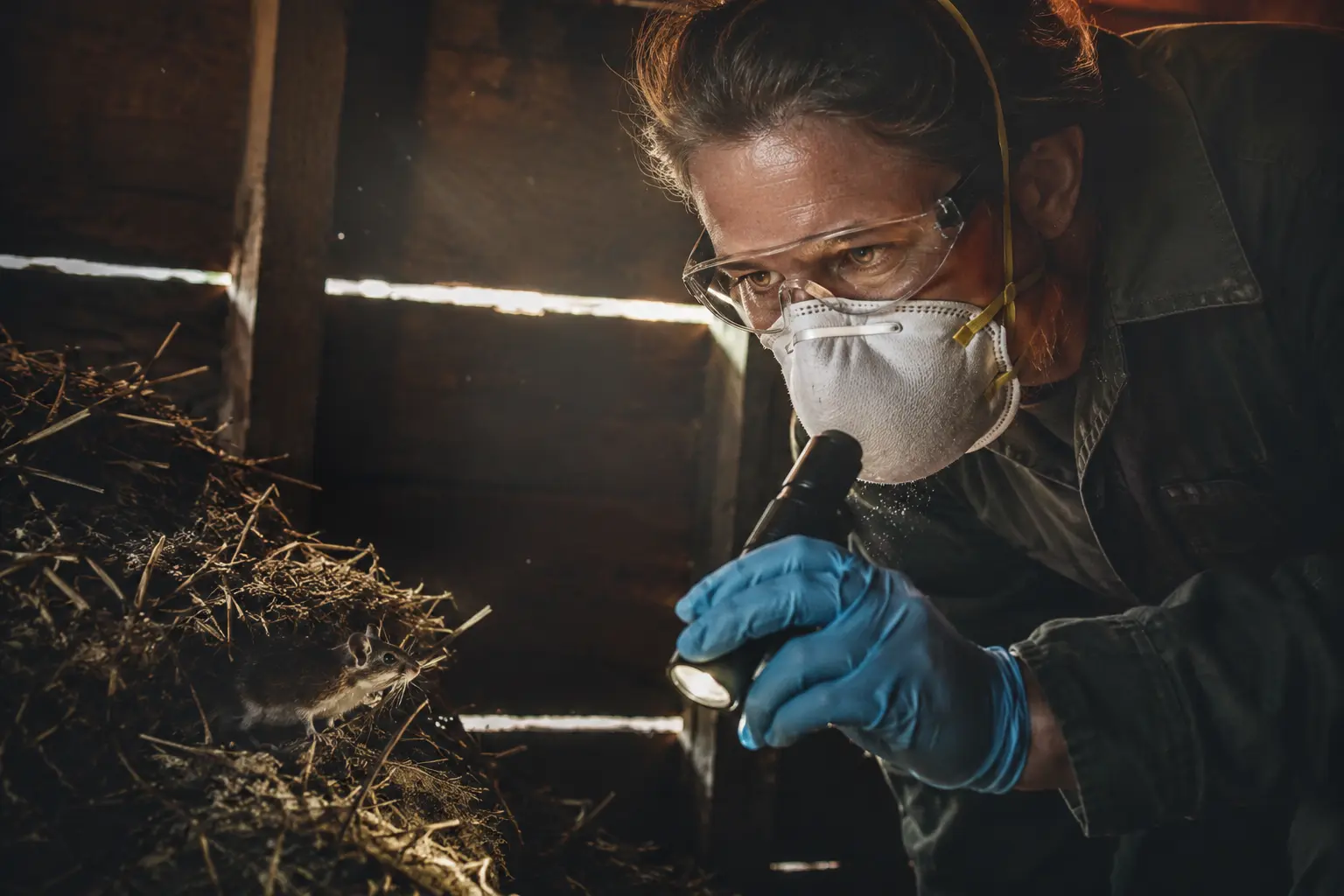
Preventing hantavirus exposure requires a multi-layered approach that addresses both your living environment and your behavior in potentially contaminated spaces. Start by rodent-proofing your home: seal all cracks and gaps larger than a quarter inch around pipes, vents, and foundation areas. Install door sweeps on exterior doors and ensure windows close completely. Remove food sources by storing pantry items in airtight containers, securing garbage in sealed bins, and never leaving pet food out overnight. Eliminate nesting materials by decluttering basements, attics, and storage areas. If you discover rodent droppings, never vacuum or sweep them dry, as this aerosolizes viral particles. Instead, spray the area with a disinfectant solution, let it sit for 5 minutes, then wipe with paper towels and dispose of everything in a sealed bag. Wear disposable gloves and an N95 mask during cleanup. When camping or working in rural areas where rodent exposure is likely, avoid touching your face, wash your hands frequently, and don’t eat or drink without washing first. Keep your sleeping area elevated and away from walls where rodents travel. Use good hygiene practices consistently. If you’re staying in a cabin, inspect it for signs of rodent activity before settling in. These preventive measures significantly reduce your risk of contracting hantavirus.
Treatment and prognosis
There is no specific antiviral cure for hantavirus, which is why early medical intervention and supportive care become your best defense. When you arrive at a hospital with suspected hantavirus, doctors will run tests including blood work and chest X-rays to confirm diagnosis and assess lung damage. Treatment focuses on managing your symptoms and supporting your respiratory function while your immune system fights the virus. You’ll likely receive oxygen therapy if your oxygen levels drop, and in severe cases, you may need mechanical ventilation. Doctors monitor your fluid balance carefully because hantavirus causes fluid to leak into the lungs, making breathing harder. Pain management and fever reduction are provided through medications. The prognosis depends on how quickly you seek care and how severely the virus has progressed. If you reach the hospital during early phase symptoms, your chances of survival improve significantly. However, once you’re in respiratory distress, mortality rates climb to around 38 percent even with intensive care. Recovery for survivors can take weeks or months, with some experiencing lingering fatigue and breathing difficulties. This underscores why recognizing symptoms early and seeking immediate medical attention is absolutely critical. If you suspect hantavirus infection after potential rodent exposure, go to an emergency room and explicitly tell doctors about your exposure history.
Staying safe and informed
Staying informed about hantavirus requires checking reliable sources regularly and understanding your personal risk level based on your activities and location. Follow updates from the CDC and your local health department, as they track outbreaks and provide current guidance. If you live in or frequently visit areas with known hantavirus activity, stay extra vigilant about rodent prevention. Young adults who enjoy outdoor activities like camping, hiking, or cabin stays should research hantavirus risk in their destination regions before traveling. Practice good hygiene consistently: wash your hands after outdoor activities, before eating, and after any potential rodent contact. Keep your home clean and free of food debris that attracts rodents. If you work in agriculture, forestry, or pest control, follow occupational safety guidelines for rodent exposure. Educate yourself about the early warning signs so you can act quickly if symptoms develop. Share this information with friends and family, especially those who camp or work outdoors. Don’t panic if you had brief exposure without symptoms, but do monitor yourself for 8 weeks. Seek medical advice immediately if you develop any combination of fever, muscle aches, and respiratory symptoms after potential exposure. Being informed and proactive gives you the best chance of catching hantavirus early if exposure occurs.
Understanding hantavirus is crucial for protecting yourself and your community. Recognize the symptoms, take preventive measures, and seek prompt medical care if needed. Stay informed and stay safe.
Can I get hantavirus from another person?
No, hantavirus is not transmitted between humans. The primary mode of transmission is through direct contact with infected rodents or their droppings.
Is there a vaccine for hantavirus?
Currently, there is no vaccine available for hantavirus. The best prevention method is to avoid contact with rodents and maintain good hygiene practices.
Disclaimer: This article is for informational purposes only and is not a substitute for professional medical advice. Always consult a healthcare professional for personal guidance.
This guide has been prepared and reviewed by the GlobalHealthBeacon editorial team and reflects current medical research as of 2026. It provides structured, evidence-based information to support informed health decisions.
