You feel fine one day, then suddenly you’re running a fever, your muscles ache like you’ve been hit by a truck, and you can’t shake this exhausted feeling, only to discover the hantavirus outbreak explained means you might have been exposed through something as simple as cleaning out a garage or hiking near rodent-infested areas.
Understanding hantavirus transmission
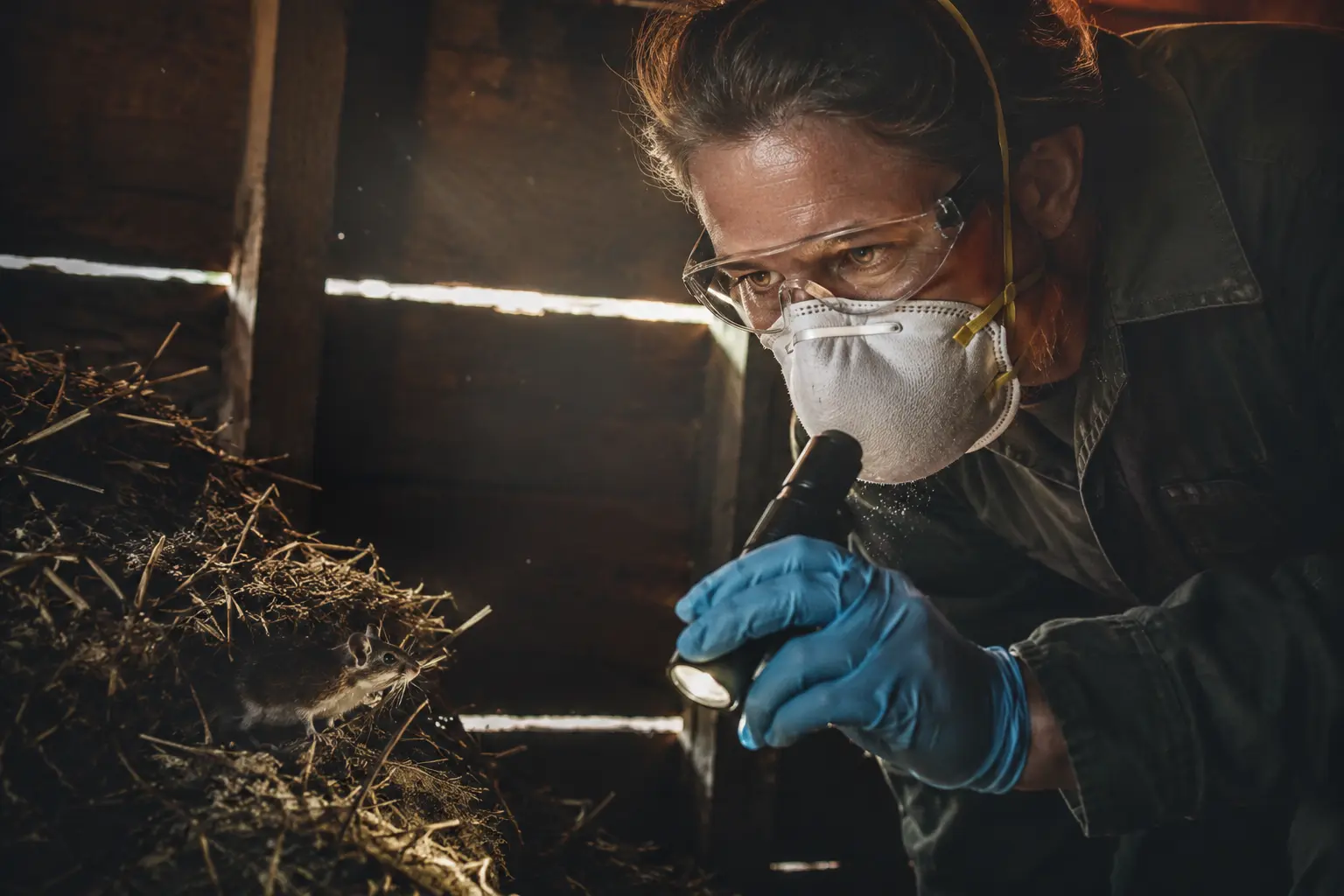
Hantavirus spreads primarily through contact with infected rodents or their droppings, urine, or saliva. Picture this: you’re cleaning out your garage after winter and find mouse droppings in a corner. If you don’t take proper precautions, stirring up dust containing the virus can lead to infection through inhalation. The virus doesn’t spread person-to-person, which is good news, but it does mean your environment matters more than you might think. Young adults often encounter risk during outdoor activities like camping, hiking, or working in storage areas. To reduce your risk effectively, avoid direct contact with rodents entirely. When you must clean contaminated areas, ensure proper ventilation by opening windows and doors. Wear rubber gloves and an N95 mask to create a barrier between you and potential virus particles. Never sweep or vacuum rodent droppings, as this kicks particles into the air. Instead, spray the area with disinfectant first, let it sit, then wipe carefully. Understanding these transmission routes helps you make informed decisions about where you go and how you prepare.
- Minimize outdoor exposure in areas known to have high rodent populations
- Seal any holes or gaps in your home where rodents could enter
- Use rubber gloves and a mask when cleaning up areas with rodent droppings
Recognizing hantavirus symptoms
Early hantavirus symptoms mimic the flu so closely that many people initially dismiss them as seasonal illness. You might start with fever, muscle aches, fatigue, and headaches appearing suddenly. Within a few days, some people develop shortness of breath, chest tightness, or coughing. This progression matters because early recognition can save your life. Consider a scenario: you spent a weekend camping two weeks ago, and now you’re experiencing unexplained fatigue and a persistent cough that doesn’t respond to typical cold remedies. This timing combined with potential rodent exposure should trigger a conversation with your doctor. The critical window is recognizing when symptoms shift from flu-like to respiratory. If you develop difficulty breathing, chest pain, or feel like your lungs are filling with fluid, seek emergency care immediately. Hantavirus can progress to hantavirus pulmonary syndrome, which is serious. Keep a mental timeline of your activities over the past month. Did you clean a shed, work in an attic, or spend time in rural areas? Share this information with your healthcare provider. They can order specific tests to confirm hantavirus rather than assuming you have a common cold.
📘 Fix your day in under 2 minuteschoose where to begin:
Taking precautionary measures
Prevention starts with your living space and daily habits. Maintain a clean home by regularly vacuuming and wiping surfaces, which removes potential rodent droppings before they become a problem. Store food in sealed containers, not just in your pantry where rodents can access it. Take out trash regularly and use bins with tight-fitting lids. Dispose of garbage promptly rather than letting bags sit for days. Here’s a practical example: if you live in an apartment building with other units, rodents can travel between spaces through shared walls and pipes. Seal gaps around baseboards, under sinks, and where utilities enter your home. Use steel wool or caulk, as rodents cannot chew through these materials. When you’re outdoors, avoid sitting directly on the ground in areas where you see rodent droppings or burrows. Wear long pants and closed-toe shoes during hiking or camping. After any outdoor activity or cleaning project, wash your hands thoroughly with soap and warm water for at least 20 seconds. If you’ve handled potentially contaminated materials, change your clothes and wash them separately. These habits create layers of protection that significantly reduce your infection risk.
Seeking prompt medical care
If you suspect hantavirus exposure or experience symptoms, don’t wait and hope they go away. Contact your healthcare provider and explicitly mention potential rodent contact. This detail changes how they approach your diagnosis. Tell them about cleaning activities, outdoor trips, or workplace exposure. Be specific about timing. Did you handle rodent droppings two weeks ago? Were you in a cabin with visible mouse activity last month? This information helps your doctor determine whether hantavirus testing is warranted. Early diagnosis matters because treatment focuses on supportive care and managing symptoms before they become severe. There’s no cure for hantavirus, but medical professionals can monitor your oxygen levels, manage fluid buildup in your lungs, and provide respiratory support if needed. Delaying care when you’re experiencing respiratory symptoms can mean the difference between recovering at home and requiring hospitalization. If you’re in a rural area or traveling, know where the nearest hospital is located. If you develop severe shortness of breath or chest pain, call emergency services rather than driving yourself. Your healthcare provider may recommend antiviral medications or other interventions depending on your specific situation and how advanced your infection is.
Staying informed and prepared
Hantavirus outbreaks vary by region and season, with cases more common in spring and early summer when rodent populations are active. Stay updated by checking your local health department website for current outbreak information and advisories. Many states publish hantavirus case reports and affected areas. Subscribe to alerts if your region offers them. Understanding the hantavirus outbreak explained in your specific area helps you adjust your behavior accordingly. If cases are reported near your hiking trails or camping spots, choose alternative locations. If outbreaks are documented in your county, be extra vigilant about home sealing and rodent prevention. Share this knowledge with friends and family, especially those who spend time outdoors or work in environments with rodent exposure. Educate roommates about proper cleaning protocols if you suspect rodent activity in your shared space. Keep a list of symptoms and your healthcare provider’s contact information readily available. Consider taking a wilderness first aid course if you spend significant time outdoors, as it provides additional context for recognizing health emergencies. By staying informed and preparing ahead, you shift from reactive to proactive, reducing your anxiety and increasing your actual safety.
Hantavirus prevention involves understanding transmission risks, recognizing symptoms early, taking precautionary measures, seeking prompt medical care, and staying informed to protect yourself and others.
How can I reduce my risk of hantavirus infection?
You can lower your risk by avoiding contact with rodents, sealing entry points in your home, wearing protective gear when cleaning up rodent areas, and practicing good hygiene. Store food securely, dispose of trash promptly, and wash your hands thoroughly after handling potentially contaminated materials.
What should I do if I suspect hantavirus exposure?
Seek medical attention immediately, inform your healthcare provider about potential rodent exposure and the timing of your exposure, and follow their advice for testing and treatment. Be specific about your activities and symptoms to help your doctor determine if hantavirus testing is necessary.
Others also read:
Disclaimer: This article is for informational purposes only and is not a substitute for professional medical advice. Always consult a healthcare professional for personal guidance.
This guide has been prepared and reviewed by the GlobalHealthBeacon editorial team and reflects current medical research as of 2026. It provides structured, evidence-based information to support informed health decisions.
