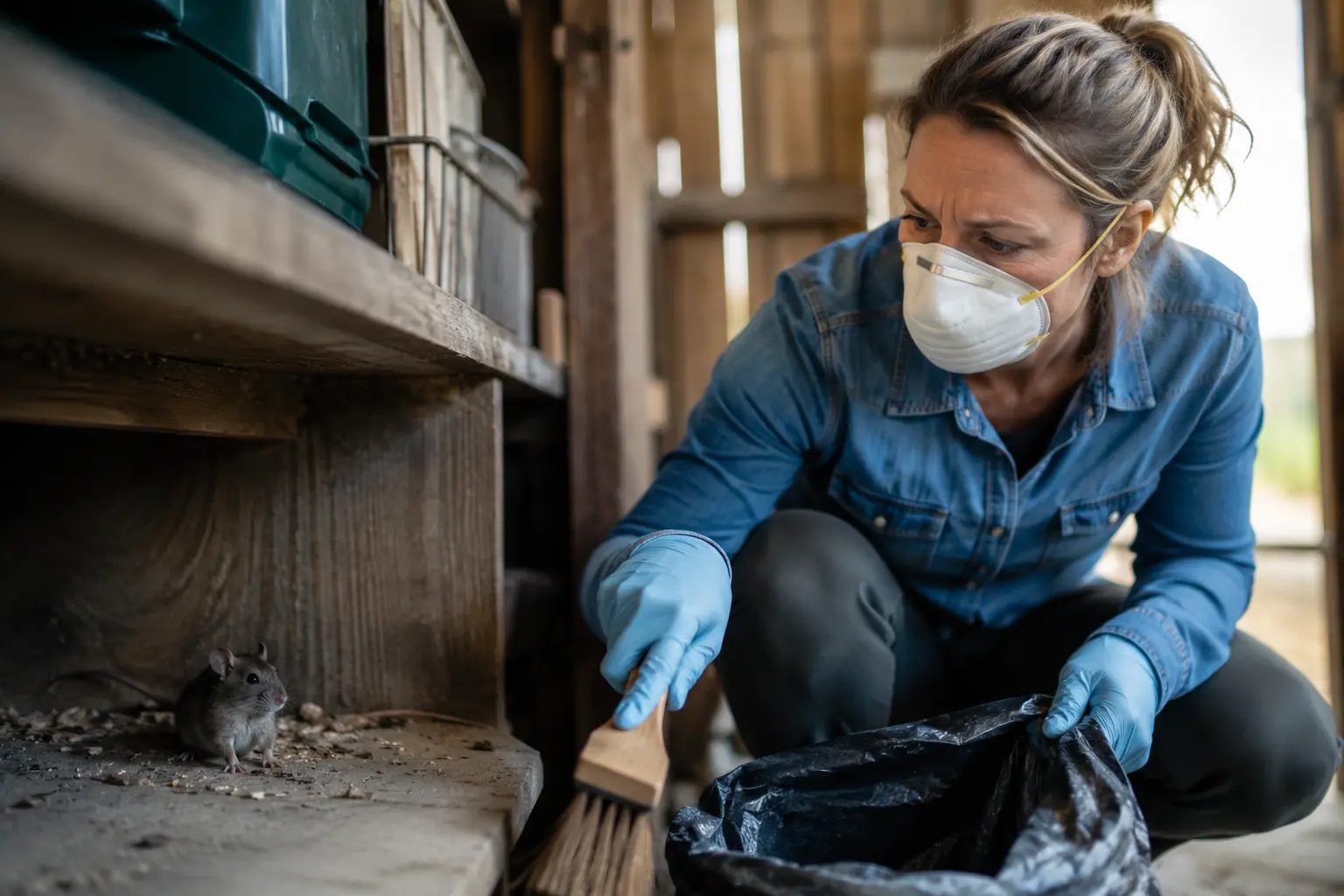
You’re cleaning out your garage or moving into a sketchy rental and suddenly you’re wondering if that mouse droppings situation is actually dangerous, and spoiler alert: understanding hantavirus transmission basics could literally save your life.
Understanding hantavirus transmission
Hantaviruses spread primarily through direct contact with infected rodents or their waste products, particularly urine, droppings, and saliva. When you disturb these materials during cleaning or renovation work, microscopic virus particles become airborne and can be inhaled into your lungs. Picture this: you’re cleaning out a storage shed that’s been closed for months, sweeping up what you think is just dust and old debris. That dust cloud you just kicked up could contain hantavirus particles. The virus doesn’t spread through bites or scratches alone; it’s the aerosolized particles from contaminated areas that pose the real risk. Young adults often underestimate this danger because symptoms take time to appear, sometimes one to eight weeks after exposure. This delayed onset means you might not connect your illness to that weekend you spent cleaning your parents’ attic.
- Avoid sleeping in rodent-infested or damaged buildings.
- Be cautious when cleaning up rodent-infested areas.
- Wear protective gear such as masks and gloves when in high-risk environments.
Signs and symptoms of hantavirus infection
Early hantavirus symptoms mimic common illnesses, which is why many young adults miss the warning signs. You might experience fever, severe muscle aches, fatigue, and a persistent dry cough that doesn’t respond to typical cold remedies. Some people report headaches, chills, and abdominal discomfort in the initial phase. The tricky part is that these symptoms appear gradually, not all at once. You might feel tired for a few days, think you’re coming down with the flu, then suddenly develop shortness of breath or chest tightness. This progression from mild to severe can happen quickly, sometimes within days. If you’ve had recent exposure to rodents or their droppings and develop any combination of these symptoms, don’t wait it out. Seek medical attention immediately because early intervention significantly improves outcomes. Waiting to see if symptoms resolve on their own can be dangerous with hantavirus.
📘 Fix your day in under 2 minuteschoose where to begin:
Preventive measures against hantavirus
Prevention starts with making your living and work spaces inhospitable to rodents. Seal cracks and gaps in walls, foundations, and around pipes where mice can enter. Store food in airtight containers and remove clutter where rodents hide. If you discover evidence of rodents, don’t attempt cleanup alone without proper protection. Wear an N95 mask, gloves, and eye protection when dealing with contaminated areas. Spray rodent droppings with a disinfectant solution before sweeping to prevent particles from becoming airborne. Ventilate the area well during and after cleaning. For young adults living in older buildings or rural areas, regular inspections are crucial. Check your basement, attic, and storage areas monthly. If you find rodent activity, contact a professional pest control service rather than handling it yourself. This investment in prevention is far cheaper and safer than dealing with hantavirus infection later.
Diagnosing hantavirus infection
If you suspect hantavirus exposure, a healthcare provider will order blood tests to detect specific antibodies your immune system produces in response to the virus. These tests typically become positive within the first week of symptoms, though sometimes they take longer to show up. Your doctor might also perform PCR testing to detect viral RNA directly in your blood. Chest X-rays are often used to check for pulmonary complications, particularly if you’re experiencing breathing difficulties. Be honest with your healthcare provider about potential rodent exposure, even if it happened weeks ago. Many young adults hesitate to mention this because it seems unrelated, but it’s critical diagnostic information. Hantavirus can be confused with other illnesses, so providing this exposure history helps your doctor reach the correct diagnosis faster. Early diagnosis allows for appropriate supportive care and monitoring, which can prevent complications from developing.
Treatment options for hantavirus infection
Currently, no specific antiviral medication targets hantavirus directly, so treatment focuses on supporting your body while it fights the infection. If you’re hospitalized with severe hantavirus, doctors provide oxygen therapy to help your lungs function properly and maintain adequate blood oxygen levels. Intravenous fluids keep you hydrated and support organ function as your body battles the virus. Pain management and fever reduction are provided to keep you comfortable during recovery. In severe cases, you might need intensive care monitoring and mechanical ventilation if breathing becomes severely compromised. Recovery from hantavirus takes time, typically several weeks to months depending on severity. Some young adults experience lingering fatigue even after the acute infection resolves. This is why early medical intervention matters so much; supportive care started early can prevent progression to severe respiratory complications. If you’ve been exposed and develop symptoms, getting to a hospital quickly gives you the best chance at a full recovery.
Hantavirus transmission occurs primarily through contact with infected rodent excreta, with airborne particles being the main transmission route. Young adults should recognize early symptoms like fever and muscle pain and seek immediate medical attention if exposure is suspected. Prevention through environmental sanitation and rodent control is your strongest defense, combined with proper protective equipment when handling potentially contaminated areas.
Can hantavirus be spread from person to person?
No, hantavirus is primarily transmitted through contact with infected rodents and their excreta, and there is currently no evidence of person-to-person transmission.
Is there a vaccine available for hantavirus?
At present, there is no commercially available vaccine for hantavirus. The best approach is to focus on prevention by minimizing exposure to rodent-infested areas.
Disclaimer: This article is for informational purposes only and is not a substitute for professional medical advice. Always consult a healthcare professional for personal guidance.
This guide has been prepared and reviewed by the GlobalHealthBeacon editorial team and reflects current medical research as of 2026. It provides structured, evidence-based information to support informed health decisions.

