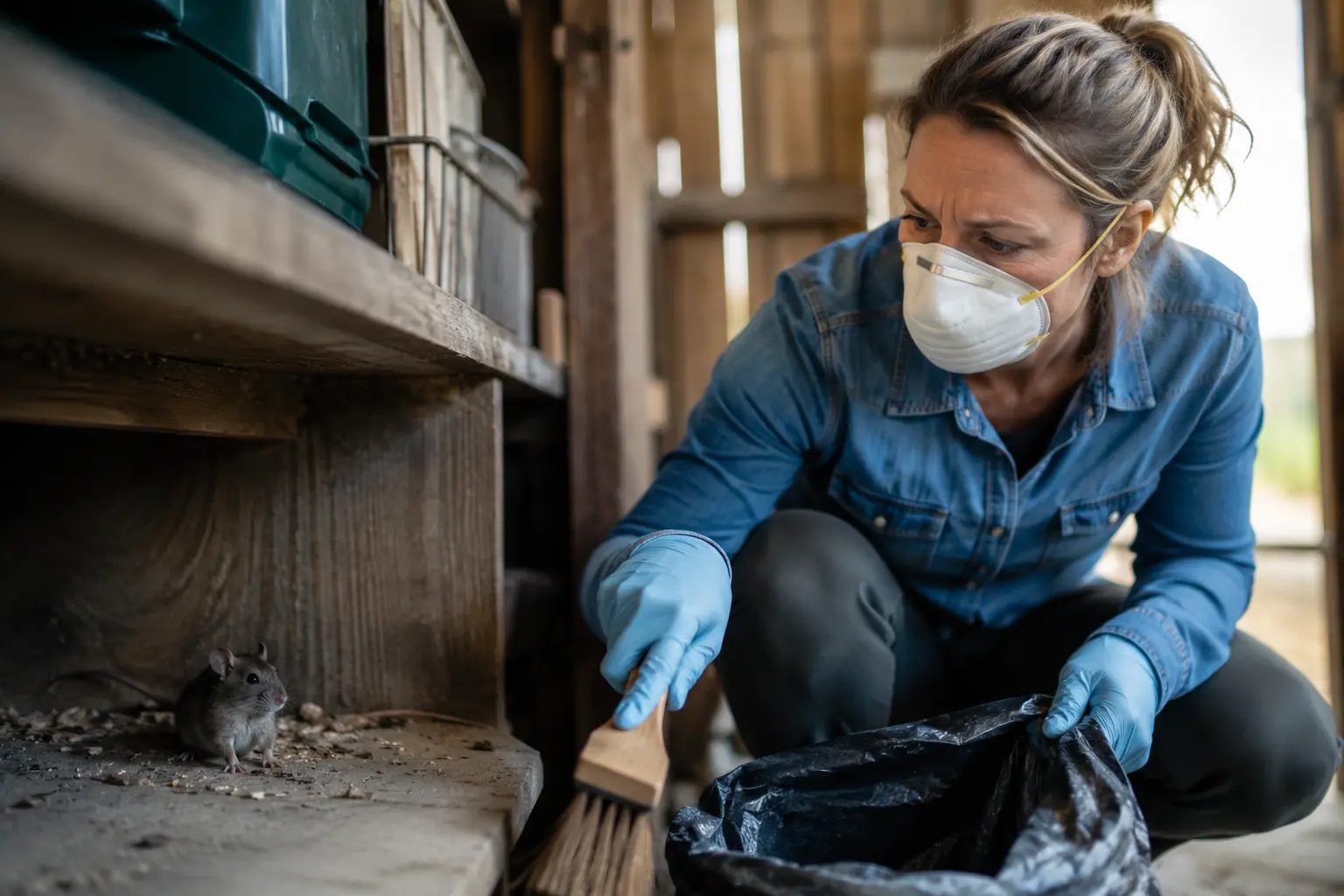
You find a dead mouse in your garage and suddenly you’re worried sick, wondering if you’ve already been exposed to something dangerous, and your doctor’s office is closed.
Understanding hantavirus transmission basics
Hantavirus spreads primarily through direct contact with infected rodents or their contaminated droppings and urine. Picture this: you’re cleaning out a storage shed you haven’t used in months, and dust particles from dried rodent feces become airborne as you sweep. That’s a real transmission risk. The virus enters your body through inhalation, which is why proper ventilation matters so much. Rodent bites and scratches can also transmit the virus, though this is less common. Understanding these pathways helps you recognize when you’ve genuinely been exposed versus when you’re simply in a space where rodents once lived. Many seniors unknowingly create ideal conditions for rodent habitats in their homes: cluttered basements, unsealed food storage, and gaps around pipes and foundations. The key is recognizing that hantavirus transmission basics center on rodent contact and contaminated materials, not casual exposure to the outdoors or other people.
- Rodent bites or scratches can also transmit the virus, though inhalation is the most common route
- Avoid sleeping near areas where rodents might reside to minimize risk of nighttime exposure
- Properly ventilate closed spaces before cleaning to prevent inhaling contaminants from dried droppings
Recognizing hantavirus symptoms
Hantavirus symptoms often mimic common illnesses, which is why seniors sometimes delay seeking care. Initial signs include fever, muscle aches, fatigue, and headaches that appear one to five weeks after exposure. You might feel like you have the flu, but the symptoms progress differently. Within days, respiratory distress develops: shortness of breath, chest tightness, and coughing become prominent. This progression is critical. A 72-year-old who cleaned a contaminated attic might feel tired and achy for a week, then suddenly struggle to climb stairs or catch their breath. That’s when immediate medical attention becomes urgent. Early diagnosis through blood tests allows doctors to monitor kidney and lung function closely. Without prompt intervention, hantavirus can lead to severe respiratory failure. The challenge for seniors is distinguishing between normal aging fatigue and something more serious. If you’ve had recent rodent exposure and develop respiratory symptoms, don’t wait for them to improve on their own.
📘 Fix your day in under 2 minuteschoose where to begin:
Reducing hantavirus risk at home
Your home is your sanctuary, and protecting it starts with understanding rodent entry points. Seal all cracks and gaps larger than a quarter inch, paying special attention to areas where pipes and utilities enter your home. Store all food in airtight containers, including pet food and birdseed, which rodents find irresistible. Keep your living space organized and clutter-free because rodents nest in undisturbed piles of boxes, newspapers, and fabric. A practical approach: walk through your home quarterly and inspect your basement, attic, and garage for droppings or gnaw marks. If you find evidence of rodents, wear gloves and a mask when cleaning, and spray the area with disinfectant before sweeping to avoid aerosolizing particles. Consider professional pest control if you discover an active infestation, as they have proper equipment and training. Many seniors hesitate to call professionals due to cost, but the alternative risk isn’t worth it. Preventive measures like maintaining your home’s exterior and removing outdoor debris piles where rodents hide are equally important.
Debunking common myths about hantavirus
Myth one: all rodents carry hantavirus. False. Only certain species in specific regions carry the virus, primarily deer mice in North America. Myth two: you can catch hantavirus from another person. Absolutely false. This virus does not spread person to person, so you don’t need to isolate from family members if you’re concerned about exposure. Myth three: hantavirus is everywhere and unavoidable. Not true. The virus requires direct contact with infected rodents or their droppings, making it relatively rare with proper precautions. Myth four: if you see a rodent, you’re definitely infected. Incorrect. Seeing a mouse doesn’t mean you’ve been exposed to hantavirus. Understanding these facts prevents unnecessary panic while maintaining appropriate vigilance. Many seniors hear frightening stories and assume worst-case scenarios. The reality is that hantavirus is preventable through sensible home maintenance and awareness. Knowing what’s actually true versus what’s rumor helps you make informed decisions without living in fear.
Seeking professional advice and care
Your healthcare provider is your best resource for hantavirus concerns. Schedule a conversation if you’ve had potential exposure, especially if you’ve cleaned rodent-infested areas or found droppings in your home. Bring specific details: when the exposure occurred, what you were doing, and whether you wore protective equipment. Your doctor can assess your individual risk based on your age, underlying health conditions, and exposure circumstances. If symptoms develop, seek immediate medical attention rather than waiting to see if they resolve. Hantavirus requires hospitalization and supportive care in severe cases, with treatment focused on managing respiratory and kidney function. Don’t assume your symptoms are just aging or a minor illness. Call your doctor’s office and mention potential hantavirus exposure so they can prepare for your visit and potentially run appropriate tests. Many urgent care centers and emergency rooms have protocols for hantavirus evaluation. Being proactive and honest with your healthcare team gives you the best chance for early intervention and recovery.
Hantavirus transmission basics involve understanding how the virus spreads through rodent contact, recognizing symptoms for prompt medical attention, reducing risks at home through preventive measures, dispelling common myths to avoid unnecessary panic, and seeking professional advice for guidance and care.
Can hantavirus be transmitted from person to person?
No, hantavirus is not transmitted from person to person. The primary mode of transmission is through contact with infected rodents or their droppings. You cannot catch hantavirus from caring for someone who has the infection.
What are the early symptoms of hantavirus infection?
Early symptoms of hantavirus infection may include fever, muscle aches, fatigue, and headaches appearing one to five weeks after exposure. These progress to respiratory issues like shortness of breath and chest tightness. Prompt medical attention is essential for accurate diagnosis and treatment.
Others also read:
Disclaimer: This article is for informational purposes only and is not a substitute for professional medical advice. Always consult a healthcare professional for personal guidance.
This guide has been prepared and reviewed by the GlobalHealthBeacon editorial team and reflects current medical research as of 2026. It provides structured, evidence-based information to support informed health decisions.

