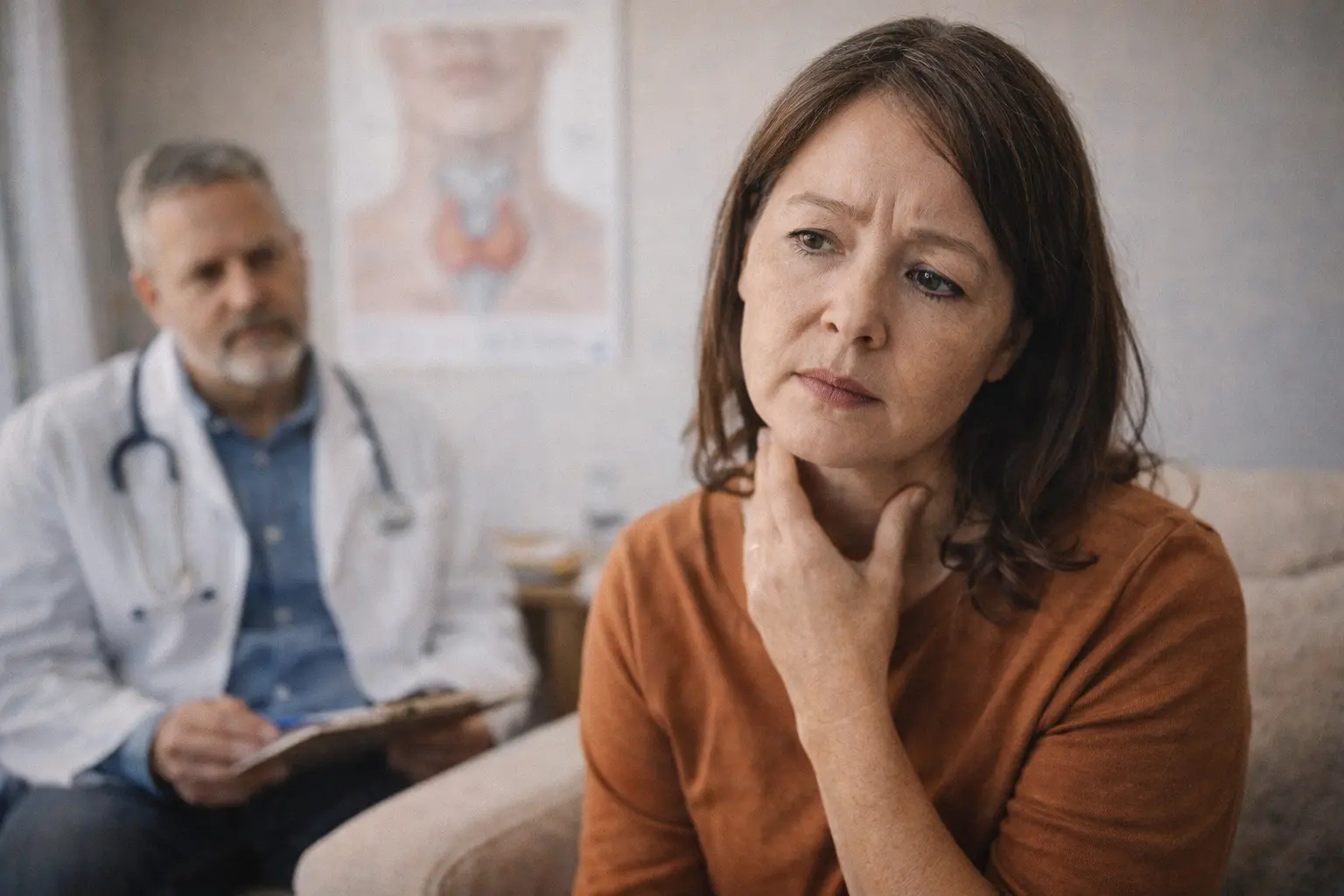
You wake up exhausted even after nine hours of sleep, your clothes fit differently, and you cannot shake the cold that everyone else seems fine with – this is what hashimoto thyroiditis explained means for many seniors, and you are not alone in feeling like something has shifted in your body without warning.
What is Hashimoto’s thyroiditis?
Hashimoto’s Thyroiditis is an autoimmune disorder where your body’s immune system mistakenly attacks the thyroid gland, the small butterfly-shaped organ in your neck responsible for regulating metabolism and energy. Think of it like your immune system losing its instruction manual and treating your thyroid as an invader. Over time, this inflammation damages the thyroid’s ability to produce hormones, leading to hypothyroidism, a state where your thyroid cannot keep up with your body’s needs. For seniors, this condition often develops gradually, sometimes over years, making it easy to dismiss early warning signs as normal aging. The condition is significantly more common in women and becomes increasingly prevalent after age 60. Understanding that this is an autoimmune condition, not a personal failing or lifestyle choice, helps many seniors accept their diagnosis and move forward with confidence in managing it effectively.
- Caused by the immune system attacking the thyroid gland
- More common in women and older adults
- Diagnosed through blood tests measuring thyroid hormone levels
Symptoms of Hashimoto’s thyroiditis
The symptoms of Hashimoto’s Thyroiditis often creep up so slowly that seniors may not connect them to a thyroid problem at all. Fatigue is typically the first sign, but not the ordinary tiredness from a busy day; this is a bone-deep exhaustion that rest does not fully resolve. You might notice unexplained weight gain despite eating the same way you always have, or find that you feel cold when others are comfortable in the same room. Joint pain and muscle weakness can make climbing stairs or opening jars more difficult than before. Some seniors experience brain fog or memory lapses, sometimes worrying these are early signs of cognitive decline when they are actually thyroid-related. A slower heart rate, constipation, dry skin, and thinning hair are also common. The key is recognizing patterns: if several of these symptoms appeared around the same time and persist, it is worth discussing with your doctor rather than attributing them to aging alone.
📘 Fix your day in under 2 minuteschoose where to begin:
Diagnosis and treatment
Diagnosing Hashimoto’s Thyroiditis requires specific blood work that measures thyroid-stimulating hormone (TSH), free T4 levels, and thyroid antibodies (TPO and thyroglobulin antibodies). Your doctor will typically order these tests if you report symptoms like fatigue and weight gain, or if there is a family history of thyroid disease. Once diagnosed, treatment focuses on hormone replacement therapy, usually starting with levothyroxine, a synthetic form of the thyroid hormone T4. Finding the right dose is a process; your doctor will start conservatively and adjust based on follow-up blood tests every 6 to 8 weeks until your levels stabilize. Many seniors require ongoing dose adjustments as they age or if other medications change. It is important to take your medication consistently, ideally on an empty stomach 30 to 60 minutes before breakfast, as food and certain supplements can interfere with absorption. Regular monitoring through annual or semi-annual blood tests ensures your treatment remains effective and your symptoms stay managed.
Lifestyle management
Managing Hashimoto’s Thyroiditis goes beyond medication alone. Nutrition plays a significant role; focus on a diet rich in fruits, vegetables, whole grains, lean proteins, and healthy fats to support thyroid function and overall energy. Some seniors find that reducing processed foods and added sugars helps stabilize their energy levels throughout the day. Regular physical activity, even gentle movement like walking 20 to 30 minutes most days, improves metabolism and mood while reducing fatigue. Stress management is equally important because chronic stress can worsen autoimmune flare-ups; consider practices like meditation, deep breathing, or gentle yoga. Sleep quality matters tremendously; aim for 7 to 9 hours nightly and maintain a consistent sleep schedule, as poor sleep intensifies fatigue and brain fog. Limiting caffeine and alcohol can also help, as these can interfere with thyroid medication absorption and sleep quality. Keep a simple symptom journal to track what helps and what worsens your symptoms, giving you and your doctor valuable information for fine-tuning your management approach.
Support and resources
Living with Hashimoto’s Thyroiditis does not mean managing it alone. Joining a thyroid support group, whether in person at your local hospital or online through organizations like the American Thyroid Association, connects you with others who truly understand your experience. These communities offer practical tips, emotional support, and the reassurance that your struggles are valid and shared. Staying informed about the latest research helps you have informed conversations with your healthcare provider and understand emerging treatment options. Building a strong healthcare team is essential; this might include your primary care doctor, an endocrinologist familiar with thyroid disease, and possibly a registered dietitian who understands autoimmune conditions. Do not hesitate to ask questions about your treatment, request copies of your lab results, and advocate for adjustments if your symptoms are not improving. Many seniors find that educating family members about their condition leads to greater understanding and support at home, making the management journey feel less isolating.
Hashimoto’s Thyroiditis is an autoimmune disorder that affects the thyroid gland, leading to hypothyroidism. Understanding the symptoms, diagnosis, treatment, and lifestyle management strategies is crucial for seniors dealing with this condition.
Is Hashimoto’s Thyroiditis a serious condition?
Hashimoto’s Thyroiditis is a chronic condition that requires lifelong management. While it can lead to complications if left untreated, with proper care and monitoring, most seniors can lead a healthy life.
Can diet and exercise help manage Hashimoto’s Thyroiditis?
A balanced diet rich in nutrients and regular exercise can support overall health and may help alleviate some symptoms of Hashimoto’s Thyroiditis. However, medical treatment and monitoring are essential for optimal management.
Others also read:
Disclaimer: This article is for informational purposes only and is not a substitute for professional medical advice. Always consult a healthcare professional for personal guidance.
This guide has been prepared and reviewed by the GlobalHealthBeacon editorial team and reflects current medical research as of 2026. It provides structured, evidence-based information to support informed health decisions.
