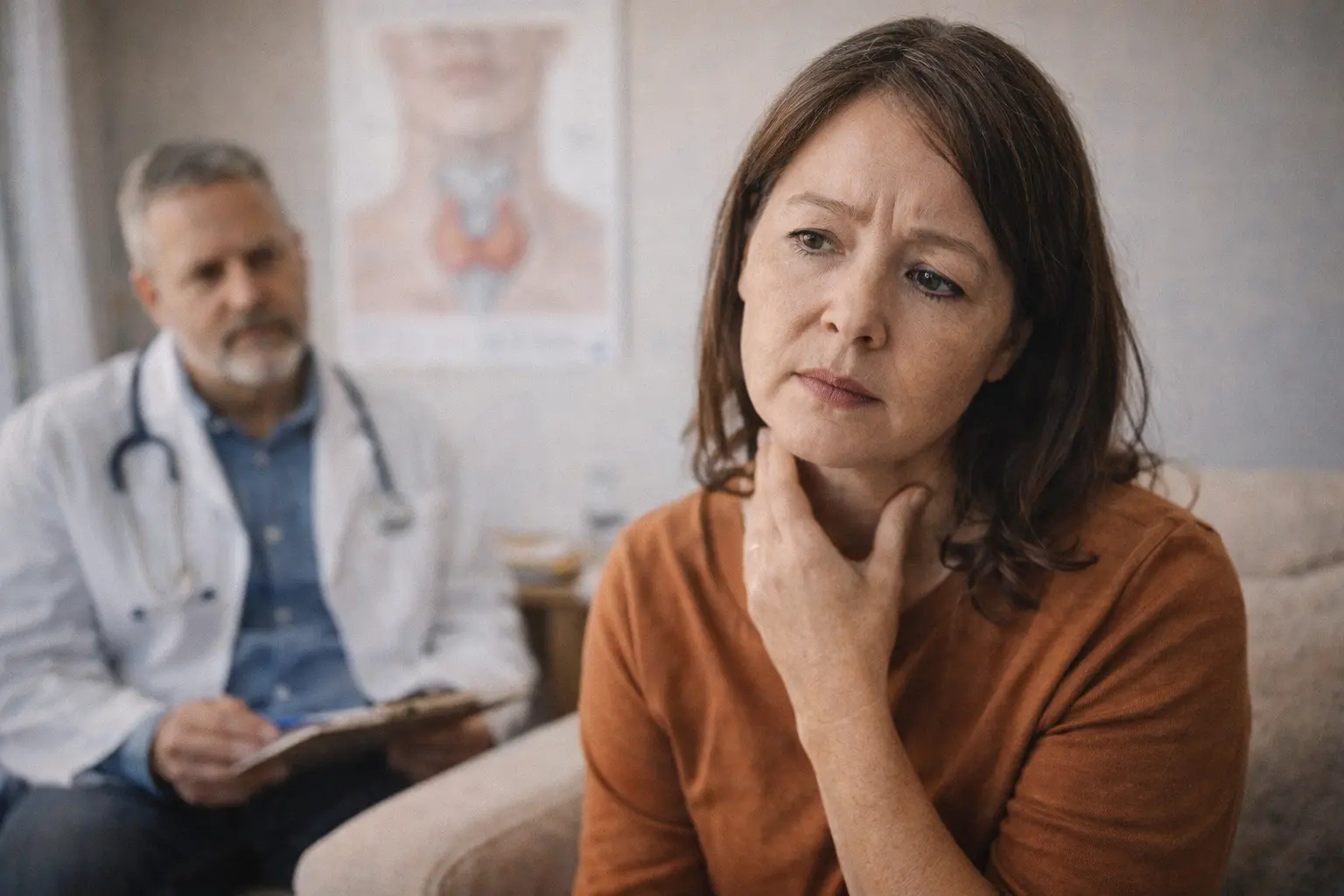
You’re exhausted all the time, gaining weight despite eating less, and feeling cold when everyone else is comfortable—welcome to what millions of seniors experience with hashimoto thyroiditis explained, the autoimmune condition your doctor might have mentioned but never really broke down for you.
Understanding Hashimoto thyroiditis
Hashimoto’s thyroiditis is an autoimmune condition where your body’s immune system mistakenly attacks the thyroid gland, leading to inflammation and gradual damage. Think of it like a security system that’s been misconfigured to see your own thyroid as a threat. This can result in an underactive thyroid, or hypothyroidism, as the gland struggles to produce sufficient hormones for your body’s needs. For seniors, this is particularly common because autoimmune conditions tend to increase with age. The thyroid is a butterfly-shaped gland in your neck that controls metabolism, energy levels, and body temperature. When it’s under attack, it can’t do its job properly. Many seniors don’t realize their fatigue or weight gain stems from this condition because the symptoms develop slowly over months or years, making them easy to dismiss as normal aging.
Causes of Hashimoto thyroiditis
The exact cause of Hashimoto’s thyroiditis remains a medical puzzle, but researchers believe it involves a combination of genetic predisposition and environmental triggers working together. If your mother or grandmother had thyroid problems, your risk is higher. Environmental factors like excessive iodine intake from supplements or certain foods, viral infections that may trigger immune confusion, and hormonal changes especially during menopause can all contribute to development. Some seniors notice their condition emerged after a stressful period or following an infection. Selenium deficiency has also been studied as a potential factor. The condition is more common in women than men, and this gap widens with age. It’s not something you caused or could have prevented through lifestyle choices alone. Understanding that multiple factors converge to create this condition helps seniors avoid self-blame and focus instead on managing what they can control.
Mechanisms of immune response
Your immune system normally protects you by identifying harmful invaders like bacteria and viruses. In Hashimoto’s thyroiditis, immune cells called T-lymphocytes and B-lymphocytes mistakenly recognize thyroid proteins as foreign threats and launch an attack. This process creates antibodies like TPO and thyroglobulin that circulate in your blood, continuously targeting thyroid tissue. Imagine your immune system sending soldiers to destroy an enemy that doesn’t actually exist. Over time, this chronic inflammation damages thyroid cells, reducing their ability to produce thyroid hormones. The destruction isn’t sudden but gradual, which is why some seniors live with mild symptoms for years before seeking diagnosis. Blood tests can detect these antibodies, confirming the autoimmune nature of the condition. Understanding this mechanism helps explain why simple hormone replacement works for many people, even though the underlying immune attack continues. It’s not a cure, but it compensates for what the damaged gland can no longer produce.
- Educate yourself on the immune system’s role in Hashimoto’s thyroiditis by reading peer-reviewed sources and discussing findings with your healthcare provider.
- Consult with a healthcare provider for proper diagnosis through blood tests measuring TSH, free T4, TPO antibodies, and thyroglobulin antibodies.
- Monitor thyroid function regularly through annual or semi-annual blood work to ensure your hormone replacement dosage remains appropriate as your body changes.
🔬 Science-backed benefits in 2 minuteschoose where to begin:
Symptoms and diagnosis
Common symptoms of Hashimoto’s thyroiditis include persistent fatigue that doesn’t improve with rest, unexplained weight gain despite unchanged eating habits, cold intolerance where you feel chilly when others are comfortable, dry skin and hair, muscle aches, and brain fog that affects memory and concentration. Many seniors attribute these to normal aging until they realize how much their quality of life has declined. Diagnosis typically involves blood tests to assess thyroid function, measuring TSH and free T4 levels, along with antibody tests to confirm the autoimmune component. Your doctor may also perform a physical exam to check for thyroid enlargement. Imaging studies like ultrasound may be used to evaluate the thyroid gland’s structure and size, showing characteristic changes. The challenge for seniors is that some symptoms overlap with other age-related conditions, so proper testing is essential. Once diagnosed, most people feel relief knowing their symptoms have a name and a treatment path, rather than continuing to wonder if they’re simply getting older.
Treatment options
Treatment for Hashimoto’s thyroiditis focuses on hormone replacement therapy to address the hypothyroidism caused by the damaged gland. This involves taking synthetic thyroid hormones, typically levothyroxine, to maintain normal hormone levels and restore your metabolism, energy, and body temperature regulation. Finding the right dose is like calibrating an engine, sometimes requiring adjustments over months as your body responds. Most seniors start on a low dose and gradually increase until symptoms improve and blood tests show normal levels. Some people benefit from combination therapy including both T4 and T3 hormones, though this is less common. Beyond medication, dietary considerations like ensuring adequate selenium and iron, managing stress through gentle exercise, and maintaining consistent sleep patterns may support overall thyroid health. Regular monitoring through blood work ensures your dosage remains appropriate as your body ages and metabolism changes. Many seniors report feeling dramatically better within weeks of starting appropriate treatment, recovering energy and mental clarity they thought they’d lost to aging.
Research and future perspectives
Ongoing research in Hashimoto’s thyroiditis aims to better understand why the immune system becomes confused and develops targeted therapies beyond simple hormone replacement. Scientists are investigating immune-modulating drugs that might calm the autoimmune attack without suppressing the entire immune system. Some research explores whether specific probiotics or dietary interventions could influence immune tolerance toward thyroid tissue. Clinical trials are examining whether early intervention in at-risk individuals might prevent or delay disease progression. Personalized medicine approaches are emerging, potentially allowing doctors to tailor treatment based on individual genetic and immune profiles. For seniors, these advances offer hope that future treatments might address the root cause rather than just managing symptoms. Current research also focuses on understanding why women are disproportionately affected and whether hormonal factors play a protective or harmful role. While these developments are promising, today’s hormone replacement therapy remains safe, effective, and well-established for managing the condition.
Understanding the autoimmune nature of Hashimoto’s thyroiditis is crucial for seniors navigating this common condition. From its genetic and environmental causes to the immune mechanisms driving it, from recognizing symptoms to exploring treatment options, this review sheds light on the scientific aspects of this thyroid disorder. Knowledge empowers you to work effectively with your healthcare provider and take control of your health.
Is Hashimoto’s thyroiditis a serious condition?
While Hashimoto’s thyroiditis requires ongoing management, it is generally a manageable condition with appropriate treatment. Regular monitoring and medication adherence can help control symptoms and prevent complications. Most people with well-managed Hashimoto’s live normal, healthy lives.
Can Hashimoto’s thyroiditis be cured?
Hashimoto’s thyroiditis is a chronic condition that typically requires lifelong treatment. While medication can help regulate thyroid hormones and manage symptoms effectively, the autoimmune component is not usually curable. However, many seniors find that proper treatment dramatically improves their quality of life.
Others also read:
Disclaimer: This article is for informational purposes only and is not a substitute for professional medical advice. Always consult a healthcare professional for personal guidance.
This article has been prepared and reviewed by the GlobalHealthBeacon editorial team and is based on current medical research and published scientific literature available in 2026. It provides structured, evidence-based information to support informed health decisions.
