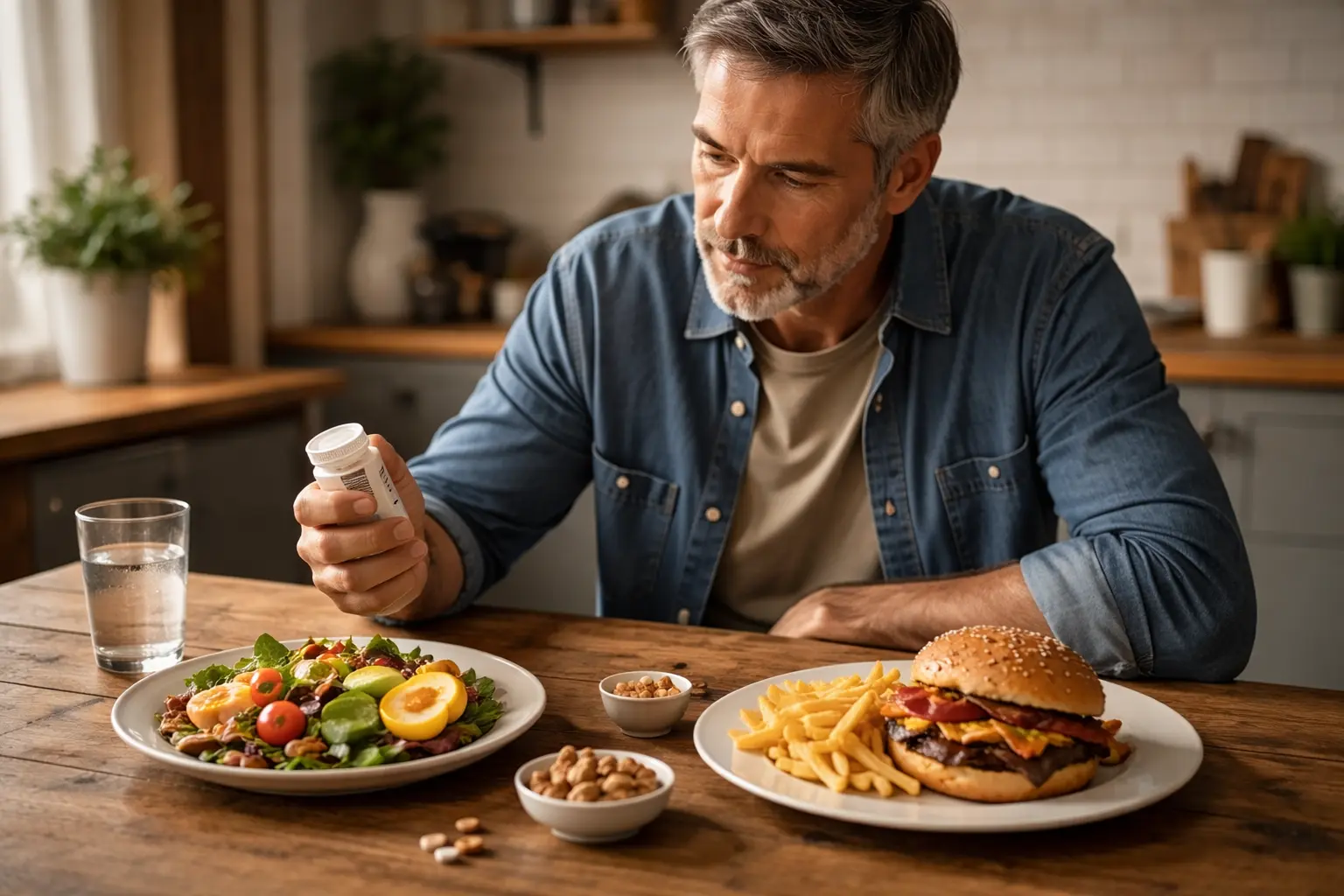
You’re in your twenties or thirties, feeling fine, and then someone mentions your cholesterol levels at a routine checkup, leaving you confused about what HDL versus LDL cholesterol actually means and why it suddenly matters for your future.
HDL cholesterol: the ‘good’ cholesterol
HDL, or high-density lipoprotein, functions as your body’s cleanup crew for excess cholesterol. Think of it like a delivery service that picks up unwanted packages from your arteries and tissues, then transports them back to your liver where they can be processed and eliminated. This mechanism is genuinely protective. When HDL levels are higher, your arteries stay clearer, reducing the likelihood of plaque buildup that could eventually narrow blood vessels. For young adults, understanding this process matters because cholesterol doesn’t just appear overnight. It accumulates over years of dietary choices, stress levels, and activity patterns. Someone eating fast food regularly while sedentary might have lower HDL at age 28 than someone who prioritizes whole foods and exercise. The good news is that HDL responds relatively quickly to lifestyle changes, often improving within weeks of adopting healthier habits.
LDL cholesterol: the ‘bad’ cholesterol
LDL, or low-density lipoprotein, is the cholesterol carrier that deposits cholesterol into artery walls. Imagine it as a delivery truck that drops off packages throughout your body, but sometimes leaves them in places where they shouldn’t stay. When LDL particles accumulate in artery walls, they oxidize and trigger an inflammatory response, leading to plaque formation. This process, called atherosclerosis, narrows arteries and restricts blood flow, increasing risk for heart attacks and strokes. Young adults often dismiss this as a future problem, but the groundwork for cardiovascular disease actually begins in your twenties and thirties. Autopsy studies of young people have revealed early plaque deposits even in those without symptoms. The higher your LDL levels now, the more aggressive the plaque buildup becomes over decades. What makes this particularly relevant for your generation is that LDL levels are influenced by both genetics and lifestyle, meaning you have some control over your trajectory.
Cholesterol ratio: finding the balance
The real story isn’t just about individual numbers but about the relationship between HDL and LDL. A healthy cholesterol profile means higher HDL and lower LDL working together to protect your cardiovascular system. Imagine your arteries as a highway: LDL deposits material that clogs lanes, while HDL clears debris away. When HDL is strong and LDL is controlled, traffic flows smoothly. For young adults, this balance is achievable through deliberate choices. A Mediterranean-style diet rich in olive oil, fish, nuts, and vegetables naturally raises HDL while lowering LDL. Regular cardio exercise like running, cycling, or swimming can increase HDL by 5-10 percent within weeks. Even quitting smoking produces immediate improvements in cholesterol ratios. The lifestyle steps below represent evidence-based strategies that genuinely work when applied consistently, not just occasionally.
- Consume a diet rich in fruits, vegetables, whole grains, and healthy fats like those found in avocados, nuts, and fatty fish such as salmon.
- Engage in regular physical activity for at least 30 minutes most days of the week, including both cardio and strength training.
- Avoid smoking and limit alcohol intake to promote better cholesterol levels and overall cardiovascular health.
🔬 Science-backed benefits in 2 minuteschoose where to begin:
Impact of genetics on cholesterol levels
Your parents’ cholesterol levels matter more than you might think. Familial hypercholesterolemia, a genetic condition affecting cholesterol metabolism, can cause dangerously high LDL levels even in young people who exercise and eat well. If your parents or grandparents had heart disease before age 55, your genetic risk is elevated. However, genetics isn’t destiny. Someone with a genetic predisposition can still significantly improve their cholesterol profile through aggressive lifestyle modifications. Conversely, someone with favorable genetics can develop poor cholesterol levels through poor habits. The key is understanding your personal risk. If heart disease runs in your family, getting a cholesterol screening in your twenties gives you crucial information and allows early intervention. Knowing your genetic risk empowers you to make informed decisions about diet, exercise, and potentially medication, rather than discovering problems during a health crisis.
Monitoring cholesterol levels
A simple blood test reveals your HDL, LDL, and total cholesterol levels, providing a snapshot of your cardiovascular risk. For young adults without family history, screening every four to six years is typically recommended. For those with family history of early heart disease, screening should begin in the twenties. The test itself is straightforward: a fasting blood draw gives the most accurate results. Understanding your numbers matters because they guide decisions about lifestyle intensity and potential medication. Someone with LDL above 160 and family history might benefit from medication alongside lifestyle changes, while someone with LDL below 100 and no family history might focus purely on maintaining healthy habits. Regular monitoring also tracks whether your lifestyle changes are actually working, providing concrete feedback that motivates continued effort.
Future of cholesterol management
Cholesterol science is evolving rapidly. Researchers now understand that LDL particle size matters as much as total LDL levels, with smaller particles being more atherogenic. Genetic testing can identify individuals who metabolize certain foods differently, allowing truly personalized dietary recommendations. New medications beyond statins are emerging, targeting different pathways in cholesterol metabolism. For young adults, this means the future of cholesterol management will be increasingly tailored to your individual biology rather than one-size-fits-all guidelines. Advances in precision nutrition use genetic and metabolic data to recommend specific foods and supplements that optimize your cholesterol profile. Wearable technology now tracks activity patterns that influence cholesterol, providing real-time feedback. This convergence of genetics, nutrition science, and technology means your generation has unprecedented tools for optimizing cardiovascular health before problems develop.
Understanding HDL versus LDL cholesterol isn’t just medical trivia for your thirties. It’s foundational knowledge for protecting your heart health across decades. The balance between these lipoproteins reflects your current lifestyle while predicting your future cardiovascular risk. By grasping how these molecules work, knowing your personal numbers, and making intentional choices about diet and exercise, you’re building a healthier future starting today.
Can I improve my cholesterol levels through diet and exercise?
Yes, adopting a healthy diet rich in fruits, vegetables, whole grains, and healthy fats, combined with regular physical activity, can positively impact your cholesterol levels by raising HDL and lowering LDL cholesterol. Most people see measurable improvements within 4-8 weeks of consistent lifestyle changes.
Is medication necessary to manage cholesterol?
In some cases, lifestyle modifications may not be enough to control cholesterol levels, particularly if you have genetic predisposition or significant family history of early heart disease. Your healthcare provider may prescribe medications like statins to help manage cholesterol effectively, especially if you have a high risk of heart disease.
Others also read:
Disclaimer: This article is for informational purposes only and is not a substitute for professional medical advice. Always consult a healthcare professional for personal guidance.
This article has been prepared and reviewed by the GlobalHealthBeacon editorial team and is based on current medical research and published scientific literature available in 2026. It provides structured, evidence-based information to support informed health decisions.
