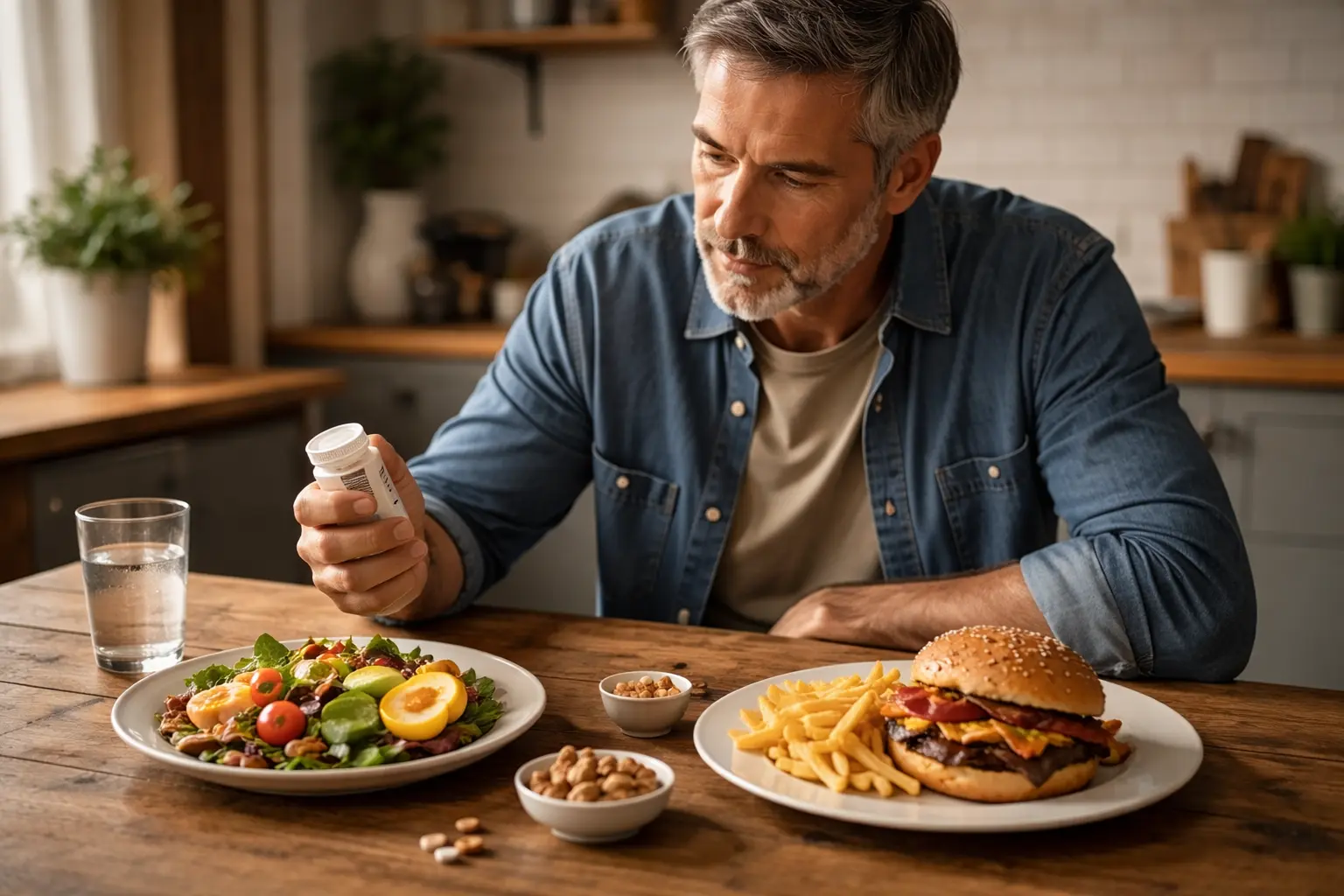
You’re sitting in your doctor’s office staring at numbers that suddenly feel like they matter more than ever, and nobody’s really explaining what HDL versus LDL cholesterol means for your actual life, your heart, your future.
Understanding cholesterol basics
Cholesterol gets a bad reputation, but here’s the thing: your body actually needs it. Think of cholesterol like a delivery system in your bloodstream. HDL, the high-density lipoprotein, is like the cleanup crew that sweeps excess cholesterol away from your arteries and back to your liver. LDL, the low-density lipoprotein, is the delivery truck bringing cholesterol throughout your body. When there’s too much LDL floating around, it starts sticking to artery walls like plaque buildup in a pipe. The real issue isn’t cholesterol itself, but how much of each type you have and how they balance in your system. Your body produces cholesterol naturally, but diet, stress, and genetics all play a role in these levels.
- Learn the difference between HDL and LDL cholesterol
- Discover how these lipoproteins impact heart health
- Understand the significance of cholesterol levels in your well-being
Navigating the impact on women’s health
Women’s cholesterol story is different from men’s, and that matters. Before menopause, estrogen acts like a protective shield, helping keep LDL lower and HDL higher. But when menopause hits, that hormonal cushion disappears, and suddenly your cholesterol numbers can shift dramatically. I’ve watched friends go through this transition and feel blindsided by their lab results. One woman told me her LDL jumped 30 points in two years after her periods stopped. The tricky part is that women often develop heart disease later than men, but when it happens, it’s frequently more severe. That’s why knowing your numbers isn’t vanity or paranoia, it’s self-awareness. Regular monitoring helps you catch changes early and work with your doctor to adjust your approach before problems develop.
💬 Ready to feel better in 2 minutes?choose where to begin:
Managing cholesterol through lifestyle choices
You don’t need a complete life overhaul to shift your cholesterol profile. Start small. Swap your usual cooking oil for olive oil, add an extra handful of berries to breakfast, take a 20-minute walk most days. These aren’t dramatic changes, but they compound over time. Saturated fats from red meat and full-fat dairy can raise LDL, while soluble fiber from oats, beans, and apples actively helps lower it. One woman I know started eating a bowl of oatmeal with ground flaxseed every morning and saw her LDL drop 15 points in three months. Exercise is equally powerful, especially aerobic activity like brisk walking, cycling, or swimming, which boosts HDL directly. The bonus? These habits also improve mood, sleep, and energy levels. You’re not just managing numbers on a lab report, you’re building a life that feels better.
Seeking medical guidance for optimal health
Your doctor isn’t there to judge your cholesterol or make you feel guilty. They’re there to give you a realistic picture and a personalized plan. Some women respond beautifully to lifestyle changes alone, while others have genetic factors that require medication alongside diet and exercise. There’s no shame in either path. Getting your cholesterol checked regularly, especially around major life transitions like menopause, helps you stay informed. If medication is recommended, it’s because your individual risk profile warrants it, not because you failed at healthy living. Your healthcare provider can also screen for other heart disease risk factors like blood pressure, blood sugar, and inflammation. Think of these check-ups as your personal health intelligence system, giving you the information you need to make choices that align with your values and goals.
Understanding the nuances of hdl versus ldl cholesterol is vital for women’s overall well-being. By adopting heart-healthy habits and seeking medical advice proactively, women can take charge of their cholesterol levels and promote a healthier future.
How can I improve my HDL cholesterol levels?
Increasing physical activity, consuming healthy fats, and avoiding trans fats can help boost HDL cholesterol levels naturally.
What role does genetics play in cholesterol levels?
Genetics can influence cholesterol levels, but lifestyle choices still have a significant impact on overall cholesterol profiles.
Others also read:
Disclaimer: This article is for informational purposes only and is not a substitute for professional medical advice. Always consult a healthcare professional for personal guidance.
This article presents an experience-based perspective and has been reviewed by the GlobalHealthBeacon editorial team in 2026. It provides structured, evidence-based information to support informed health decisions.
