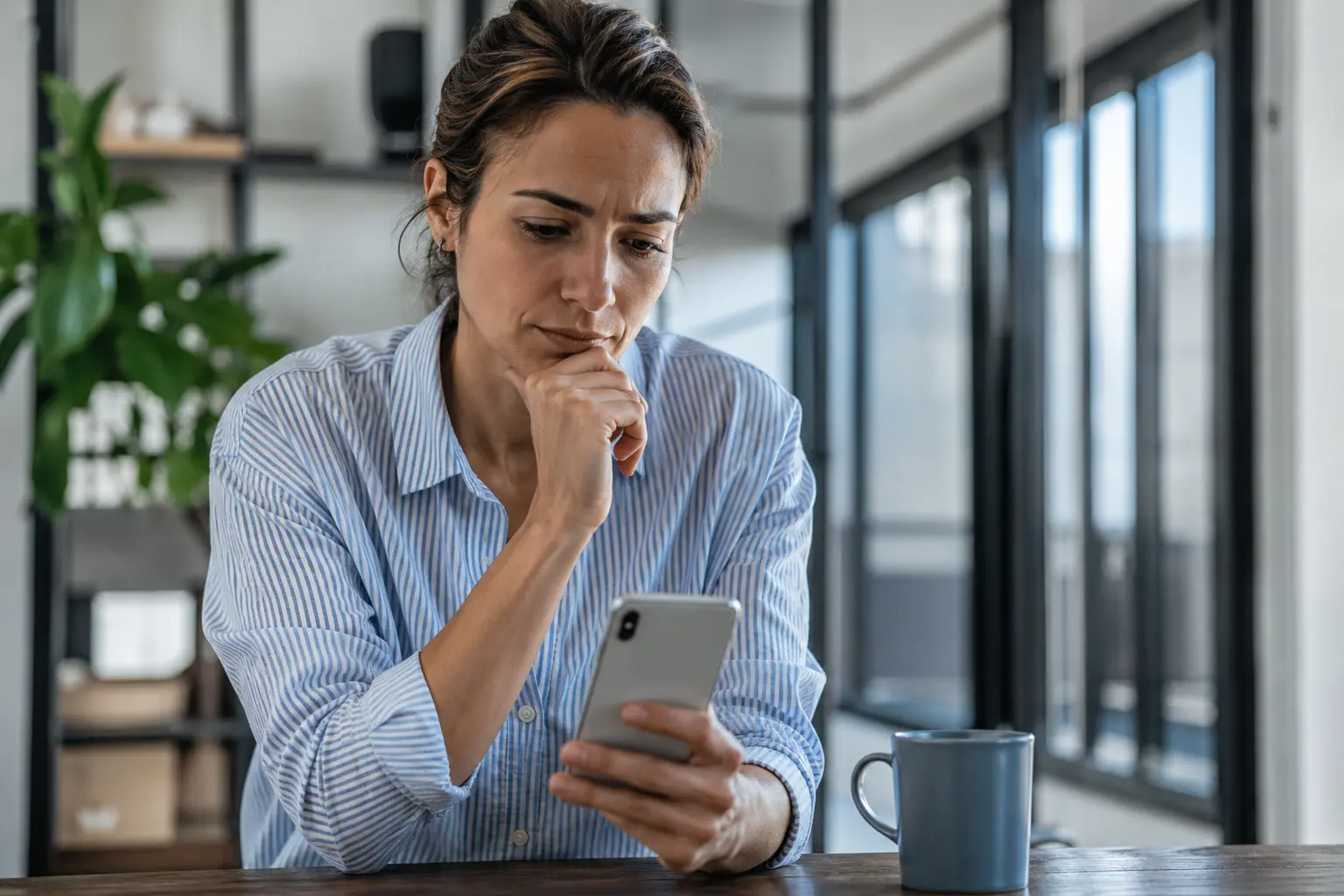
Your medical records are floating around the internet right now, and most young adults have no idea how exposed they actually are until something goes wrong.
Understanding health data privacy
Health data privacy is about controlling who gets access to your most sensitive information. Think of it like this: your medical records contain everything from your mental health history to your prescriptions, test results, and even genetic information. When you visit a doctor, get lab work done, or refill a prescription online, that data gets stored somewhere. The problem is that healthcare systems are frequent targets for hackers because medical records are worth more on the dark web than credit card numbers. HIPAA is the main law protecting your information in the US, but it only applies to healthcare providers and their business associates, not your personal devices or apps you download. Understanding what data exists about you and where it lives is the first step to protecting it. Many young adults don’t realize that their health information can be sold to insurance companies, employers, or data brokers if they’re not careful about privacy settings and consent forms.
- Learn about the types of health data that need protection, such as diagnoses, medications, and test results.
- Familiarize yourself with privacy laws like HIPAA that regulate how healthcare providers handle your information.
- Be cautious about sharing health details online or with unauthorized individuals to prevent data misuse.
Setting strong passwords and usernames
Your password is the first line of defense between your health data and someone who wants to steal it. A strong password isn’t something you can remember easily or something you use across multiple accounts. Start with at least 16 characters mixing uppercase, lowercase, numbers, and symbols. Avoid using personal information like your birthday, pet’s name, or hometown. Instead, create a passphrase that’s random but memorable to you alone. For example, instead of Password123, try something like BlueMoon$Laptop7Pencil. Two-factor authentication is your second line of defense and it’s non-negotiable for health accounts. This means even if someone cracks your password, they still can’t access your account without a code sent to your phone or generated by an authenticator app. Many young adults skip this step because it feels like extra work, but it takes 30 seconds and prevents 99 percent of account takeovers. Use a password manager like Bitwarden or 1Password to store these complex passwords securely.
📘 Fix your day in under 2 minuteschoose where to begin:
Securing your devices
Your phone and laptop are gateways to your health data, so they need to be locked down like a safe. Start by setting a strong PIN or biometric lock on your phone and enabling full-disk encryption on your laptop. This means if your device is lost or stolen, the data on it remains unreadable without the encryption key. Next, turn on automatic security updates for your operating system and apps. These updates patch vulnerabilities that hackers actively exploit. Many young adults delay updates because they’re annoying, but that delay is exactly when hackers strike. Public Wi-Fi networks are particularly risky because anyone on the network can intercept unencrypted data. Never access your health portal, email, or banking apps on public Wi-Fi unless you’re using a VPN, which encrypts your connection. Consider using a VPN even on your home network for an extra layer of protection. Finally, enable remote wipe capabilities on your devices so you can erase your data if your phone goes missing.
Monitoring account activity
Catching a breach early can prevent serious damage to your identity and finances. Start by setting up account alerts with your healthcare provider so you’re notified of any login attempts or changes to your account. Check your medical records at least quarterly for any appointments, tests, or treatments you don’t recognize. Scammers sometimes use stolen health information to file false insurance claims or order prescriptions in your name. Review your medical billing statements carefully because they show what services were billed to your insurance. If you see charges for a doctor’s visit you never had or medications you never took, that’s a red flag. Create a simple spreadsheet tracking which healthcare providers have your data and when you last verified your privacy settings with each one. If you suspect a breach, contact your healthcare provider immediately and ask what information was compromised and what steps they’re taking to secure it. You can also check if your information appears in known breaches by visiting haveibeenpwned.com.
Educating yourself on privacy measures
Health data privacy isn’t a one-time setup, it’s an ongoing practice. The threat landscape changes constantly as new apps emerge and new vulnerabilities are discovered. Follow reputable sources like the Health and Human Services Office for Civil Rights, which publishes breach notifications and guidance. Many hospitals and clinics offer free webinars on patient privacy, and some universities provide cybersecurity courses specifically for healthcare. Read the privacy policies of health apps before downloading them, especially period trackers, fitness apps, and mental health platforms. Many of these apps sell anonymized data to third parties or share it with advertisers. Join online communities focused on digital privacy where young adults share real experiences and solutions. Consider taking a basic cybersecurity course through platforms like Coursera or edX to understand how breaches happen and how to prevent them. The more you understand about how your data moves through systems, the better decisions you’ll make about protecting it.
Understanding health data privacy is essential for young adults to protect their sensitive medical information. By following a comprehensive checklist that includes securing passwords, devices, monitoring account activity, and educating themselves on privacy measures, individuals can safeguard their health data effectively.
How can I ensure the security of my health data online?
To secure your health data online, set strong passwords, enable two-factor authentication, avoid sharing sensitive information on unsecured websites, and use encrypted connections when accessing medical records.
What should I do if I suspect a breach of my health data privacy?
If you suspect a breach of your health data privacy, notify your healthcare provider immediately, review your medical records for any unauthorized activity, update your passwords, and consider placing a fraud alert on your accounts.
Others also read:
Disclaimer: This article is for informational purposes only and is not a substitute for professional medical advice. Always consult a healthcare professional for personal guidance.
This guide has been prepared and reviewed by the GlobalHealthBeacon editorial team and reflects current medical research as of 2026. It provides structured, evidence-based information to support informed health decisions.
