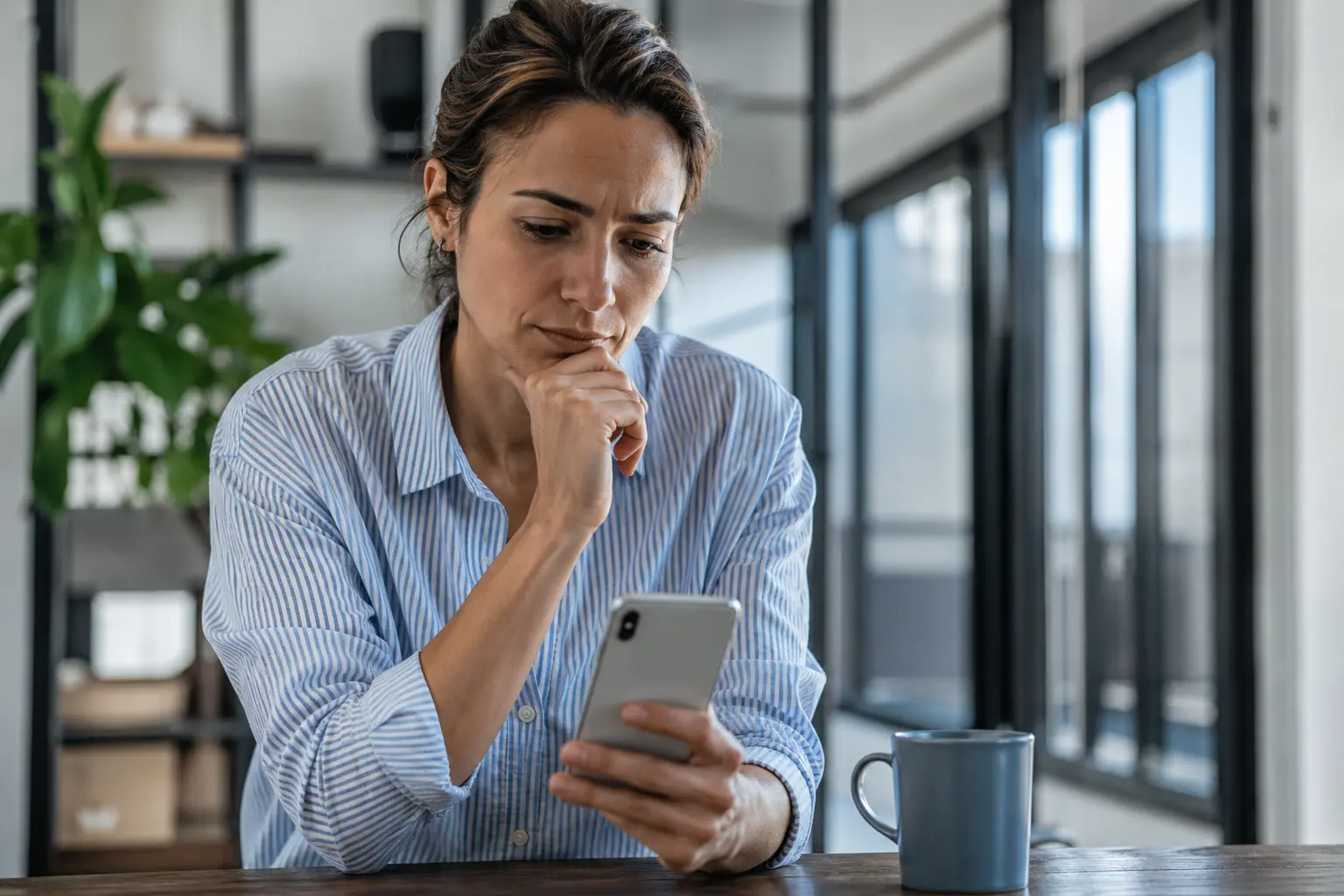
You casually share your symptoms in a health app, snap a photo of your prescription, or mention your diagnosis in a group chat, then suddenly you’re getting ads for treatments you never searched for, and that sinking feeling hits: your health data privacy explained means realizing you’ve already lost control.
Misconceptions about health data privacy
Here’s what most young adults get wrong: you assume that because a health app has millions of downloads or looks professional, your data is safe. The truth stings. I used to think that as long as I wasn’t posting my full medical history on Instagram, I was fine. But then I learned that third-party trackers embedded in fitness apps, period tracking apps, and mental health platforms are quietly collecting your data. Data privacy laws vary wildly depending on where you live. In Europe, GDPR offers stronger protections, but in the US, health data isn’t always covered the same way. Many apps you trust operate in gray zones where they can sell anonymized data to pharmaceutical companies or insurance brokers without your explicit permission. Once you share something online, you lose control. Screenshots happen. Data gets sold. Breaches occur. And the worst part? You might never even know it happened until months later.
- Data privacy laws vary by country and may not fully protect your health information.
- Third-party apps and websites often have access to your health data without explicit consent.
- Once shared online, your health data can be difficult to completely erase or control.
Risks of data exposure
Let’s get specific about what happens when your health data leaks. Imagine your depression diagnosis gets exposed and suddenly you’re denied a job because an employer found it through a background check. Or your genetic information ends up in a database, and insurance companies use it to deny you coverage or raise your premiums. Identity thieves love health data because it’s a goldmine. They can use your Social Security number combined with your medical records to open fraudulent accounts or commit medical fraud. Then there’s the psychological weight: knowing your most private information is floating around online creates a constant anxiety. You start second-guessing every app download, every form you fill out. Real young adults have faced employment discrimination after health data was exposed, been denied loans because of medical history, and experienced targeted scams based on their diagnoses. The ripple effects extend far beyond just privacy violation. Your digital health footprint can haunt you for years.
💬 Ready to feel better in 2 minutes?choose where to begin:
Taking control of your health privacy
Start by auditing what you’ve already shared. Go through your phone and check which apps have access to your location, contacts, and health data. Most people are shocked at what they’ve permitted. Then, take these concrete steps: use unique, strong passwords for health accounts and enable two-factor authentication. Read privacy policies before downloading anything, even if it takes ten minutes. Look for red flags like vague language about data sharing or unclear retention policies. When you do share health information online, ask yourself: do I really need to use this app, or is there a lower-risk alternative? Limit what you post on social media about your health. That casual tweet about your anxiety medication or your recent surgery is a data point someone can use. Consider using a separate email address for health-related accounts. Be cautious about connecting apps to your main social media accounts. Each connection is another pathway for data leakage. Small, consistent actions compound into real protection.
Importance of seeking help
If you suspect your health data has been compromised, don’t freeze up or assume nothing can be done. Act immediately. Report the breach to the platform, change your passwords, and monitor your credit reports for suspicious activity. Check if you’re eligible for free credit monitoring services that many breached companies offer. Contact your state’s attorney general office or the Federal Trade Commission if the breach was significant. Consider consulting with a privacy attorney if you’ve experienced discrimination or fraud related to exposed health data. Many offer free initial consultations. Document everything: screenshots, emails, dates. This creates a record if you need to pursue legal action. You’re not overreacting by taking these steps seriously. Your health information is deeply personal and deserves the same protection you’d give to your financial accounts. Reaching out for help, whether to a lawyer, your state health department, or a privacy advocacy organization, is a sign of strength and self-care, not weakness.
Understanding the myths and risks surrounding health data privacy is crucial for young adults. By debunking misconceptions, recognizing the dangers of data exposure, taking control of privacy settings, and seeking help when needed, individuals can protect their personal health information effectively.
How can I protect my health data online?
You can protect your health data online by using secure passwords, enabling two-factor authentication, limiting sharing on social media, and being cautious about the platforms you trust with sensitive information.
What should I do if my health data privacy is compromised?
If you suspect a breach of your health data privacy, report it to the platform, change your passwords, monitor your accounts for any unauthorized activity, and seek guidance from legal professionals if necessary.
Others also read:
Disclaimer: This article is for informational purposes only and is not a substitute for professional medical advice. Always consult a healthcare professional for personal guidance.
This article presents an experience-based perspective and has been reviewed by the GlobalHealthBeacon editorial team in 2026. It provides structured, evidence-based information to support informed health decisions.
