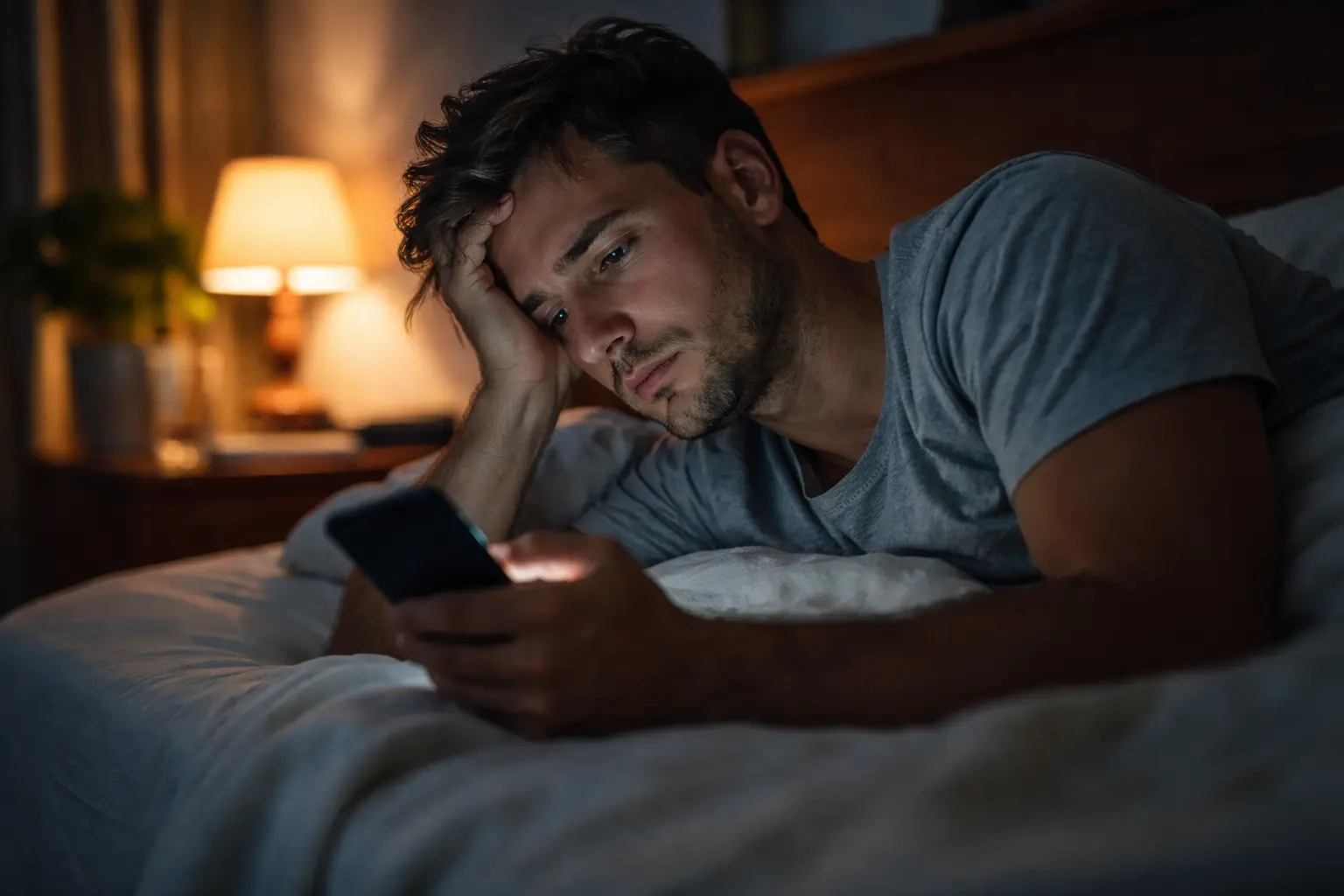
Your eyes burn by evening, your neck aches, and you can’t sleep properly anymore, but you’re not sure what’s causing it. The health implications of using screens are sneaking up on you, and it’s time to understand what’s really happening to your body and what you can actually do about it.
Eye strain and vision problems
Digital eye strain is one of the most common complaints among seniors who spend hours on tablets, phones, or computers. When you stare at a screen, your eyes work harder because the light is artificial and the contrast can be harsh. Your blink rate drops by about 66 percent when you focus on a screen, which means your eyes dry out faster. You might notice symptoms creeping in gradually: a scratchy feeling, blurred vision when you look away, or difficulty refocusing. Consider Margaret, a 68-year-old who started spending more time video calling her grandchildren during the pandemic. Within weeks, she noticed her vision felt fuzzy by afternoon and her eyes felt gritty. The 20-20-20 rule works because it gives your eyes a genuine break. Every 20 minutes, pause and look at something 20 feet away for 20 seconds. This forces your eye muscles to relax and allows your tear film to refresh naturally.
- Adjust the brightness and contrast of your screen to reduce glare and match your room lighting.
- Position your screen at eye level to avoid strain on your neck and shoulders.
- Consider using blue light filters on your devices to minimize eye strain and protect your vision.
Sleep disruption
Blue light from screens tricks your brain into thinking it’s still daytime, which suppresses melatonin production and keeps you wired when you should be winding down. Many seniors find themselves scrolling through news or emails right up until bedtime, then wondering why they toss and turn for hours. Your sleep quality matters more as you age because deep sleep becomes harder to achieve naturally. When you use screens in the evening, the blue wavelengths signal your brain to stay alert, making it harder to fall asleep and reducing the restorative sleep stages you need. A 72-year-old named Robert started checking his tablet in bed to catch up on the day’s news. His sleep deteriorated so much that he felt exhausted during the day, which then made him more likely to nap, creating a frustrating cycle. Once he stopped screen use an hour before bed and replaced it with reading a physical book, his sleep improved dramatically within two weeks. Creating a genuine bedtime routine means putting all devices away, dimming your home lighting, and giving your body time to produce the melatonin it needs.
📘 Fix your day in under 2 minuteschoose where to begin:
Physical health effects
Sitting for long stretches while using screens contributes to weight gain, weak muscles, and poor circulation. Your posture often suffers too, leading to neck pain, shoulder tension, and lower back problems that can persist for days. Sedentary behavior is linked to increased risk of heart disease, type 2 diabetes, and certain cancers, even if you exercise regularly. When you’re focused on a screen, you forget to move, and your metabolism slows. Blood pools in your legs, your core muscles weaken, and your joints become stiffer. Think about how you feel after spending three hours on a video call or playing online games: your back hurts, your legs feel heavy, and you feel stiff when you stand up. The solution isn’t complicated but requires intention. Set a timer to stand and stretch every 30 minutes. Take a short walk around your home, do some gentle leg lifts, or reach your arms overhead. Even two minutes of movement every half hour makes a measurable difference in how you feel and protects your long-term health.
Mental health concerns
Excessive screen time can feed anxiety and depression, especially when you’re consuming news or social media. Comparing your life to others online, reading negative headlines constantly, or spending hours alone with a screen instead of connecting with real people takes a real toll on your mood and sense of belonging. Seniors who rely heavily on screens for social connection sometimes find themselves more isolated, not less, because online interaction doesn’t provide the same emotional nourishment as face-to-face time. You might feel lonely even while scrolling through others’ posts, or anxious after reading alarming news stories. A 70-year-old named Susan noticed her mood had become darker after spending most afternoons on her tablet reading news and social media. She felt disconnected from friends and family despite being constantly connected digitally. When she reduced screen time and instead joined a local book club and called friends directly, her mood lifted noticeably. The key is balance: use screens intentionally for connection, not as a replacement for real relationships. Engage in hobbies, spend time outdoors, and prioritize conversations with people you care about.
Preventive measures
Taking control of your screen habits starts with awareness and then action. First, honestly assess how much time you spend on screens daily, including television, phones, tablets, and computers. Many seniors underestimate their screen time significantly. Next, set realistic limits based on your lifestyle. You don’t need to eliminate screens, but you do need boundaries. Designate screen-free times, like meals and the first hour after waking up. Create screen-free zones in your home, like the bedroom and dining table. Practice a digital detox one day per week where you minimize screen use entirely and focus on offline activities instead. Schedule regular breaks using the 20-20-20 rule for eye health. Prioritize real-life interactions by calling friends instead of texting, visiting in person, and joining clubs or groups. Replace some screen time with hobbies you enjoy, whether that’s gardening, reading physical books, crafting, or walking. These preventive steps compound over time, improving your sleep, eye health, mood, and physical fitness simultaneously.
Prolonged screen exposure can lead to eye strain, sleep disruption, physical health effects, and mental health concerns. By implementing preventive measures and healthy screen habits, you can mitigate these risks and prioritize your overall well-being.
How can I reduce eye strain from screen use?
To reduce eye strain, follow the 20-20-20 rule, adjust screen brightness, position your screen at eye level, and consider using blue light filters.
What are some preventive measures for screen-related health issues?
Set screen time limits, engage in offline activities, prioritize real-life interactions, and practice digital detoxes to protect your health.
Others also read:
Disclaimer: This article is for informational purposes only and is not a substitute for professional medical advice. Always consult a healthcare professional for personal guidance.
This guide has been prepared and reviewed by the GlobalHealthBeacon editorial team and reflects current medical research as of 2026. It provides structured, evidence-based information to support informed health decisions.
