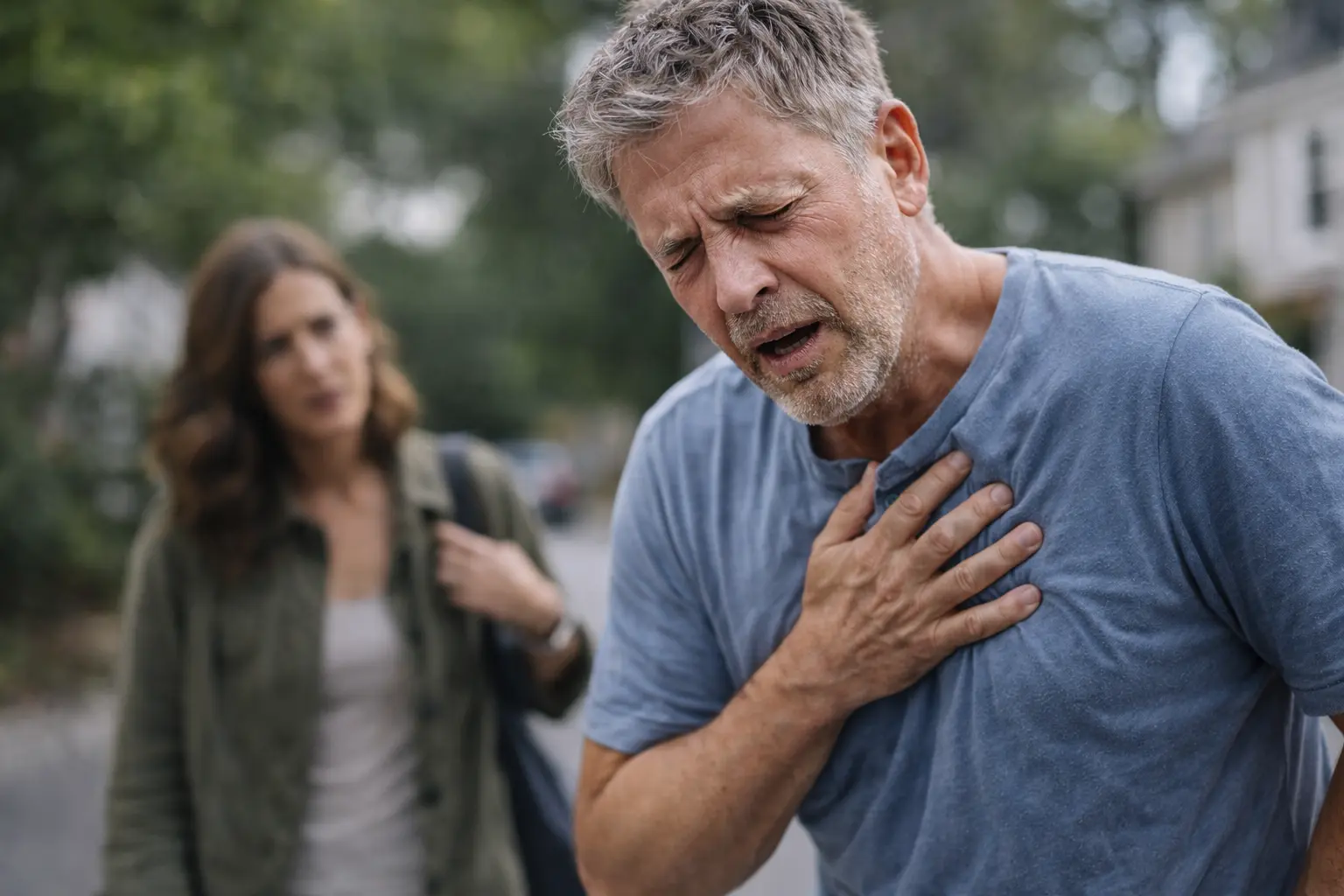
Your chest tightens, your arm goes numb, and suddenly you’re wondering if this is it – and the terrifying part is that heart attacks don’t care how old you are, which is exactly why you need to know these heart attack warning signs right now.
Understanding heart attack symptoms
Heart attack symptoms in young adults often look different from what you see in movies. You might experience chest discomfort that feels like pressure or squeezing, sometimes spreading to your arms, neck, or jaw. But here’s what catches people off guard: not every heart attack announces itself with dramatic chest pain. Some young adults report feeling intense fatigue, shortness of breath that seems out of proportion to their activity level, or a persistent sense of dread they can’t quite explain. Imagine a 28-year-old who felt what she described as indigestion during a workout, then noticed her left arm felt heavy and tingly. She almost dismissed it as a muscle strain until she recognized the pattern matched warning signs she’d read about. Nausea, dizziness, and cold sweats can accompany these sensations. The key is recognizing that your body is sending distress signals that deserve immediate attention, not dismissal.
- Chest discomfort or pain that may feel like pressure, squeezing, fullness, or pain that spreads to your arms, back, neck, jaw, or stomach
- Shortness of breath along with other symptoms
- Feeling lightheaded, dizzy, or experiencing nausea
Assessing the risk factors
Your age doesn’t make you immune to heart disease, and understanding your personal risk profile is the first step toward prevention. Smoking remains one of the most dangerous modifiable risk factors for young adults, dramatically increasing your heart attack risk even if you only smoke occasionally. High blood pressure often develops silently without symptoms, which is why regular monitoring matters. High cholesterol, diabetes, obesity, and a sedentary lifestyle all stack the odds against you. But there’s more: family history plays a significant role, so if your parents or grandparents had early heart disease, you’re at higher risk. Chronic stress and poor sleep quality are increasingly recognized as contributors. Consider a 32-year-old with a stressful job, irregular sleep, and a family history of heart disease who never connected these dots until a health screening revealed elevated markers. Understanding which factors apply to you helps you prioritize where to focus your prevention efforts.
📘 Fix your day in under 2 minuteschoose where to begin:
Taking immediate action
When heart attack symptoms strike, hesitation can be deadly. If you experience chest pain, shortness of breath, or the combination of symptoms described above, call emergency services immediately rather than driving yourself or waiting to see if it passes. Don’t minimize what you’re feeling or convince yourself you’re too young for this to be serious. Chew aspirin if available and you’re not allergic, then sit down and try to stay calm while waiting for help. Time is critical because emergency teams can begin treatment in the ambulance, potentially preventing permanent heart damage. A young man who felt chest pressure during a morning run initially thought he was just out of shape, but when his arm started tingling, he called 911 immediately. That quick decision meant he received treatment within minutes of arriving at the hospital, significantly improving his outcome. Never wait to see if symptoms improve on their own.
Healthy habits for heart health
Building a heart-healthy lifestyle now means investing in your future. Regular exercise doesn’t require marathon training; 150 minutes of moderate activity weekly like brisk walking, cycling, or swimming strengthens your cardiovascular system. A balanced diet rich in vegetables, whole grains, lean proteins, and healthy fats reduces inflammation and supports healthy cholesterol levels. Managing your weight through consistent habits rather than crash diets creates sustainable protection. Stress management through meditation, yoga, or simply spending time outdoors helps regulate blood pressure and heart rate. Avoiding smoking and limiting alcohol consumption removes significant risk factors. Sleep quality matters too; aim for seven to nine hours nightly. Picture a 26-year-old who started small by taking the stairs, adding a weekly yoga class, and swapping sugary drinks for water. These incremental changes accumulated into measurable improvements in her fitness and blood pressure within months, demonstrating that prevention is achievable through consistent, realistic choices.
Seeking professional guidance
Your healthcare provider is your partner in heart health, not just someone you see when you’re sick. Schedule regular check-ups to establish a baseline for your blood pressure, cholesterol, and overall cardiovascular function. Be honest about your lifestyle, stress levels, family history, and any symptoms you’ve noticed, even if they seem minor. If you have risk factors, discuss screening options and whether preventive medications might benefit you. Your doctor can help you create a personalized action plan rather than following generic advice. A young woman with a family history of early heart disease worked with her doctor to establish a monitoring schedule, received guidance on dietary changes specific to her needs, and felt empowered knowing exactly what numbers to track. This proactive approach transformed her anxiety into concrete steps. Don’t wait for a health crisis to start these conversations.
Recognizing heart attack warning signs is crucial for all individuals, including young adults, to ensure timely medical intervention and prevent serious complications. Understanding symptoms, risk factors, immediate actions, healthy habits, and seeking professional advice are key in maintaining a healthy heart.
Can young adults have heart attacks?
Yes, although less common, heart attacks can occur in young adults due to various factors such as genetics, lifestyle choices, and underlying health conditions.
Should I ignore chest pain if I’m young?
No, chest pain in young adults should never be ignored. It’s essential to seek medical attention immediately as it could indicate a heart attack or other serious condition.
Disclaimer: This article is for informational purposes only and is not a substitute for professional medical advice. Always consult a healthcare professional for personal guidance.
This guide has been prepared and reviewed by the GlobalHealthBeacon editorial team and reflects current medical research as of 2026. It provides structured, evidence-based information to support informed health decisions.
