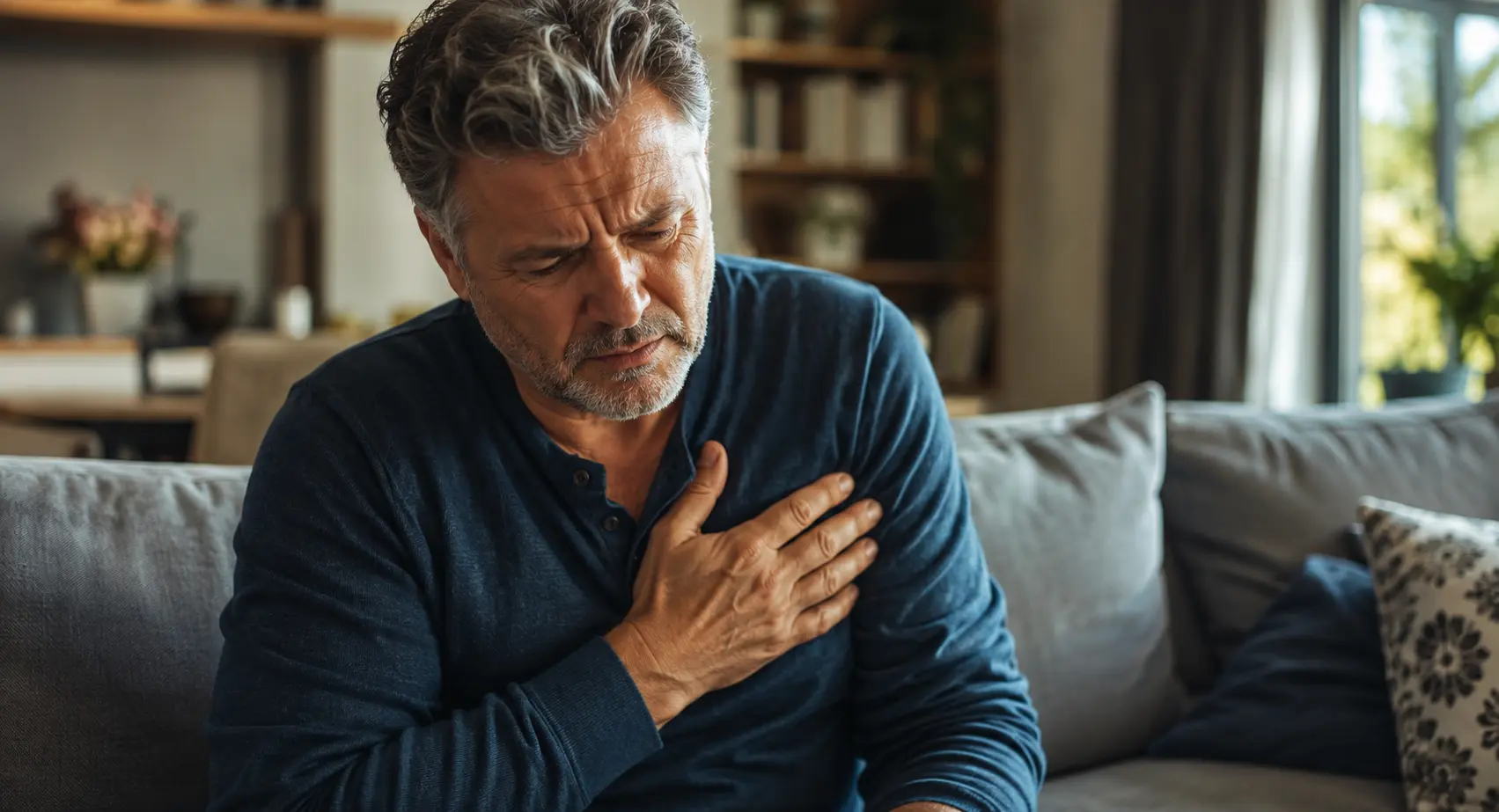
You finish lunch and suddenly your chest feels like it’s doing backflips, your heart pounding so hard you swear everyone around you can hear it, leaving you panicked and wondering if something is seriously wrong with heart palpitations after eating.
Understanding heart palpitations after eating
When you’re sitting at your desk after grabbing a quick lunch, that sudden flutter or racing sensation can feel genuinely alarming. Heart palpitations after a meal happen when your body is working overtime to digest food, and various triggers can amplify this effect. Think about the last time you had a large pasta dinner followed by coffee, or maybe you grabbed a sugary energy drink with your sandwich. Your digestive system demands blood and energy, your heart rate picks up, and suddenly you’re hyperaware of every beat. Caffeine, refined sugars, and artificial additives act like fuel on a fire, directly stimulating your heart and making those palpitations more pronounced. Even something as seemingly innocent as indigestion can contribute, because bloating and gas create pressure in your chest that makes you feel like your heart is misbehaving when it’s really just responding to what’s happening in your stomach.
- Large meals force your body to redirect blood and energy to digestion, causing your heart to work harder and potentially triggering noticeable palpitations.
- Foods and drinks high in sugar, caffeine, or artificial additives directly stimulate your heart rate and can lead to racing or fluttering sensations.
- Indigestion, bloating, and gas create physical pressure and discomfort in your chest cavity, which can make you hyper-aware of normal heart activity and feel like palpitations.
Managing heart palpitations after meals
The good news is that managing these episodes doesn’t require drastic changes. Start by eating smaller, balanced meals spread throughout the day instead of loading up at one sitting, which gives your digestive system a chance to work without overwhelming your cardiovascular system. Pay attention to your personal triggers by keeping a simple food diary for a week or two, noting what you ate and when palpitations occurred, because what bothers your friend might not affect you at all. Try cutting back on obvious culprits like coffee, energy drinks, and sugary snacks, and instead reach for water throughout the day to stay hydrated, which actually helps your heart function more smoothly. When you feel palpitations starting, pause and practice deep breathing exercises, holding each breath for four counts and exhaling slowly, which activates your nervous system’s calming response. Some young adults find that taking a short walk after eating or doing gentle stretching helps settle both their digestion and their anxiety about the sensations they’re experiencing.
💬 Ready to feel better in 2 minutes?choose where to begin:
When to seek medical attention
While occasional heart palpitations after eating are incredibly common and usually harmless, knowing when to reach out to a healthcare provider is crucial for your peace of mind. If you’re experiencing frequent palpitations that happen multiple times a week or seem to be getting worse over time, that’s worth mentioning to your doctor. Pay special attention if your palpitations come alongside other symptoms like chest pain, dizziness, fainting, or shortness of breath, because these combinations warrant a professional evaluation. Your healthcare provider can run tests like an EKG or heart monitor to check your heart’s rhythm and rule out any underlying conditions. They might also ask detailed questions about your stress levels, caffeine intake, and sleep patterns, because sometimes what feels like a heart problem is actually your body signaling that you need more rest or better stress management. Getting checked out isn’t overreacting, it’s taking responsibility for your health and getting answers that will genuinely help you feel more confident and less anxious.
Creating a heart-healthy lifestyle
Building habits that support your heart health naturally reduces palpitation episodes and makes you feel more in control of your body. Regular physical activity, even just thirty minutes of walking or light exercise most days, strengthens your cardiovascular system and makes your heart more efficient at handling stress and digestion. A balanced diet rich in whole grains, lean proteins, fruits, and vegetables provides stable energy without the blood sugar spikes that trigger palpitations. Managing stress through whatever works for you, whether that’s meditation, yoga, time with friends, or creative outlets, directly impacts your heart rate and nervous system response. Getting consistent, quality sleep is equally important because sleep deprivation makes your heart more reactive and your anxiety about physical sensations more intense. When you prioritize these lifestyle elements together, you’re not just reducing palpitations, you’re building a foundation of health that makes you feel stronger, more resilient, and genuinely better equipped to handle whatever your body throws at you.
Heart palpitations after eating affect many young adults and typically stem from meal size, specific trigger foods, caffeine, and indigestion. Managing these episodes involves eating smaller balanced meals, identifying your personal triggers through a food diary, staying hydrated, and using relaxation techniques like deep breathing. Seeking medical attention is important if palpitations become frequent or are accompanied by chest pain, dizziness, or shortness of breath. Creating a heart-healthy lifestyle through regular exercise, balanced nutrition, stress management, and adequate sleep significantly reduces palpitation frequency and severity while improving overall cardiovascular health.
Can stress contribute to heart palpitations after eating?
Yes, stress is a significant contributing factor to heart palpitations after eating. When you’re stressed or anxious, your body releases adrenaline and cortisol, hormones that increase heart rate and make you more aware of your heartbeat. This response is amplified when your digestive system is also working hard after a meal, creating a compounding effect where you feel palpitations more intensely. Managing stress through relaxation techniques, exercise, and adequate sleep can help reduce this reaction.
Are heart palpitations after eating always a cause for concern?
Occasional heart palpitations after eating are common and usually harmless, especially if they happen rarely and resolve on their own within minutes. However, persistent or severe palpitations that occur multiple times weekly, or those accompanied by chest pain, fainting, dizziness, or difficulty breathing, should prompt a visit to your healthcare provider for proper evaluation and peace of mind.
Others also read:
Disclaimer: This article is for informational purposes only and is not a substitute for professional medical advice. Always consult a healthcare professional for personal guidance.
This article presents an experience-based perspective and has been reviewed by the GlobalHealthBeacon editorial team in 2026. It provides structured, evidence-based information to support informed health decisions.
