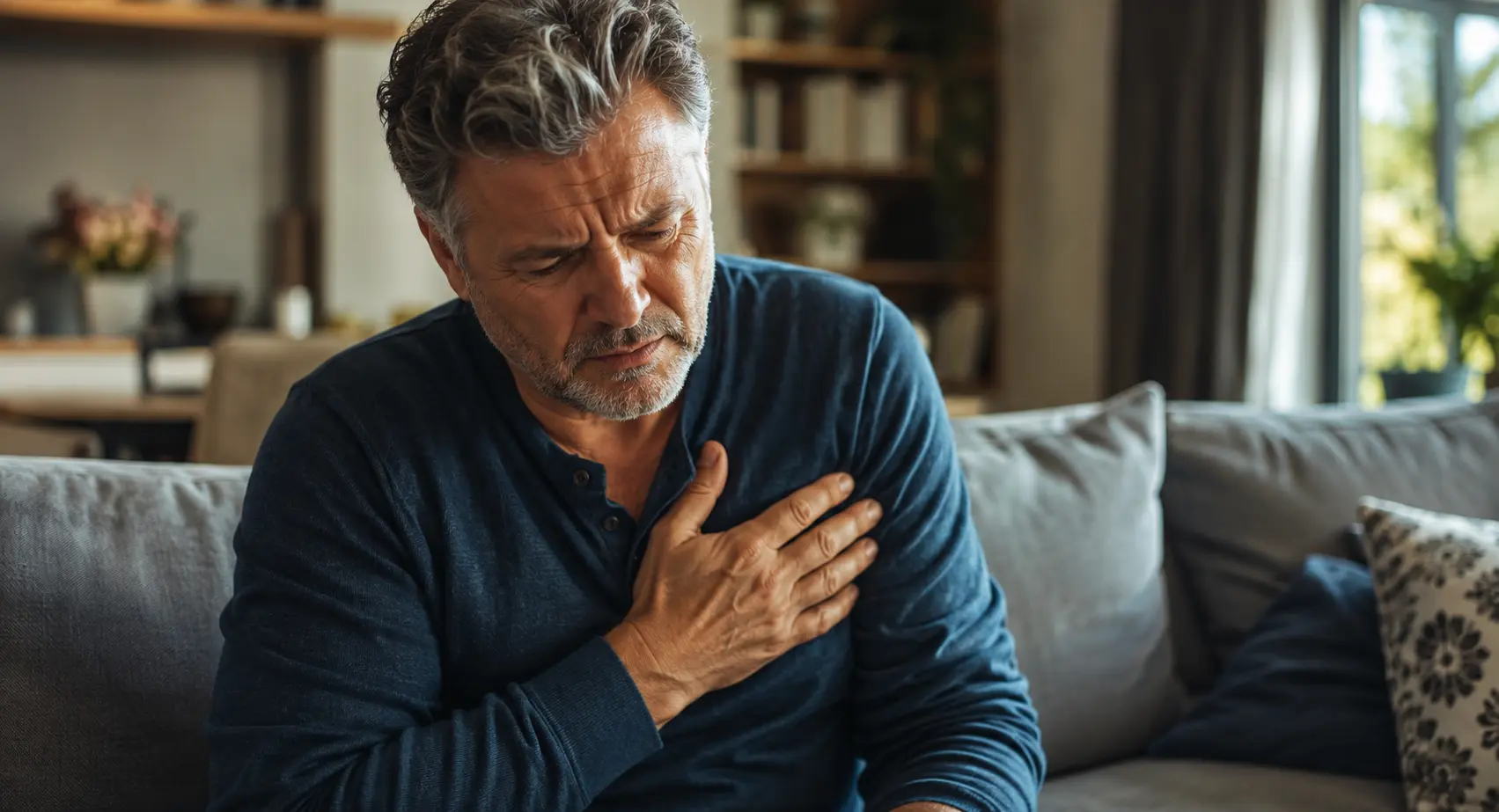
Your heart suddenly starts racing or fluttering right after you finish eating, and that uncomfortable sensation shoots straight through your chest – if you’ve experienced heart palpitations after eating, you know exactly how unsettling and confusing it feels.
Understanding heart palpitations after eating
Heart palpitations after eating happen more often than you might think, and understanding why can ease a lot of the anxiety around them. When you eat, your digestive system kicks into high gear, demanding blood flow to your stomach and intestines to break down food and absorb nutrients. This natural shift in blood circulation can cause your heart to work slightly differently, leading to that flutter or racing sensation you feel in your chest. Think of it like this: imagine your body as a city with limited resources, and suddenly the digestive district needs extra traffic flow, so other areas get a temporary reduction. For some people, this change is barely noticeable. For others, especially young adults who are more attuned to bodily sensations, it can feel alarming. The key is recognizing that in most cases, this is your body doing exactly what it should be doing, not a sign of danger.
- Monitor your diet for triggers like caffeine, alcohol, or large meals
- Practice mindful eating to aid digestion and reduce stress on your heart
- Stay hydrated to support optimal cardiovascular function
Managing stress and anxiety
Here’s something many young adults don’t realize: anxiety about heart palpitations can actually make them worse. When you feel stressed or anxious, your nervous system releases adrenaline and cortisol, which can trigger or intensify palpitations. It becomes a frustrating cycle where you notice a flutter, get anxious about it, and then the anxiety itself causes more fluttering. Breaking this pattern requires intentional stress management. Deep breathing exercises like the 4-7-8 technique (breathe in for 4 counts, hold for 7, exhale for 8) can activate your parasympathetic nervous system and calm your heart rate within minutes. Meditation apps or even five minutes of quiet reflection after meals can significantly reduce the frequency of episodes. Regular exercise like walking, swimming, or yoga not only improves cardiovascular health but also serves as a powerful stress reliever. The goal is creating a buffer between your emotions and your physical responses.
📘 Fix your day in under 2 minuteschoose where to begin:
Adopting a heart-healthy lifestyle
Your diet directly influences how your heart responds after eating, so making strategic food choices is one of the most effective tools you have. Instead of eating large meals that overwhelm your digestive system, try eating smaller, more frequent meals throughout the day. Replace processed snacks and sugary drinks with whole foods like berries, leafy greens, whole grain bread, and lean proteins such as chicken or fish. These foods are easier to digest and provide sustained energy without the blood sugar spikes that can trigger palpitations. Limit or eliminate caffeine and alcohol, as both are known palpitation triggers for many people. A practical approach is to keep a food journal for two weeks, noting what you eat and when palpitations occur, so you can identify your personal triggers. Beyond diet, prioritize seven to nine hours of quality sleep each night, as sleep deprivation increases heart sensitivity. Aim for at least 150 minutes of moderate exercise per week to strengthen your cardiovascular system and build resilience.
Seeking medical evaluation
While most cases of heart palpitations after eating are benign, knowing when to see a doctor is crucial for your peace of mind and safety. If palpitations happen occasionally and feel like a brief flutter or skipped beat, they’re usually not concerning. However, if they persist for more than a few minutes, occur frequently, or come with chest pain, dizziness, shortness of breath, or fainting, schedule an appointment with your primary care doctor or a cardiologist. They can perform tests like an EKG or Holter monitor to rule out underlying conditions such as arrhythmias or thyroid issues. During your visit, bring your food and symptom journal so your doctor can see patterns and provide targeted advice. Don’t downplay your symptoms or feel embarrassed about seeking help. Young adults sometimes hesitate to see a doctor about heart concerns because they assume their age means nothing serious could be wrong, but getting evaluated gives you concrete answers and eliminates uncertainty.
Maintaining consistent follow-up care
Managing heart palpitations after eating isn’t a one-time fix but an ongoing process of learning what works for your unique body. Start keeping a detailed symptom journal that tracks not just when palpitations occur, but also what you ate, how much stress you were under, how much sleep you got, and what you were doing when it happened. Over time, patterns emerge that reveal your specific triggers and what lifestyle changes actually help. Share this journal with your healthcare provider at follow-up appointments so they can see your progress and adjust recommendations if needed. Set realistic goals, like reducing caffeine intake by half in week one, then eliminating it by week three. Celebrate small wins when you go a few days without episodes. If your doctor prescribes medication or specific interventions, follow through consistently rather than stopping once symptoms improve. The goal is building sustainable habits that keep palpitations at bay long-term, not just managing them in the moment.
Heart palpitations after eating can feel scary, but they’re often your body’s normal response to digestion and stress. By identifying your personal triggers through journaling, managing stress with breathing and meditation, eating smaller meals with whole foods, and seeking medical evaluation when needed, you gain real control over your heart health. The path forward isn’t about eliminating all risk but about understanding your body, making informed choices, and knowing when to reach out for professional support.
Are heart palpitations after eating always a cause for concern?
Not necessarily. In many cases, heart palpitations after eating are harmless and can be managed through lifestyle changes. However, persistent or severe palpitations, especially when accompanied by other symptoms like chest pain, dizziness, or shortness of breath, warrant medical evaluation to rule out underlying conditions.
Can certain foods trigger heart palpitations after eating?
Yes, certain foods like caffeinated beverages, spicy foods, high-fat meals, and alcohol can trigger heart palpitations in some individuals. Keeping a food diary can help identify specific triggers and guide dietary modifications. Common culprits include energy drinks, chocolate, processed meats, and fried foods, though triggers vary from person to person.
Others also read:
Disclaimer: This article is for informational purposes only and is not a substitute for professional medical advice. Always consult a healthcare professional for personal guidance.
This guide has been prepared and reviewed by the GlobalHealthBeacon editorial team and reflects current medical research as of 2026. It provides structured, evidence-based information to support informed health decisions.
