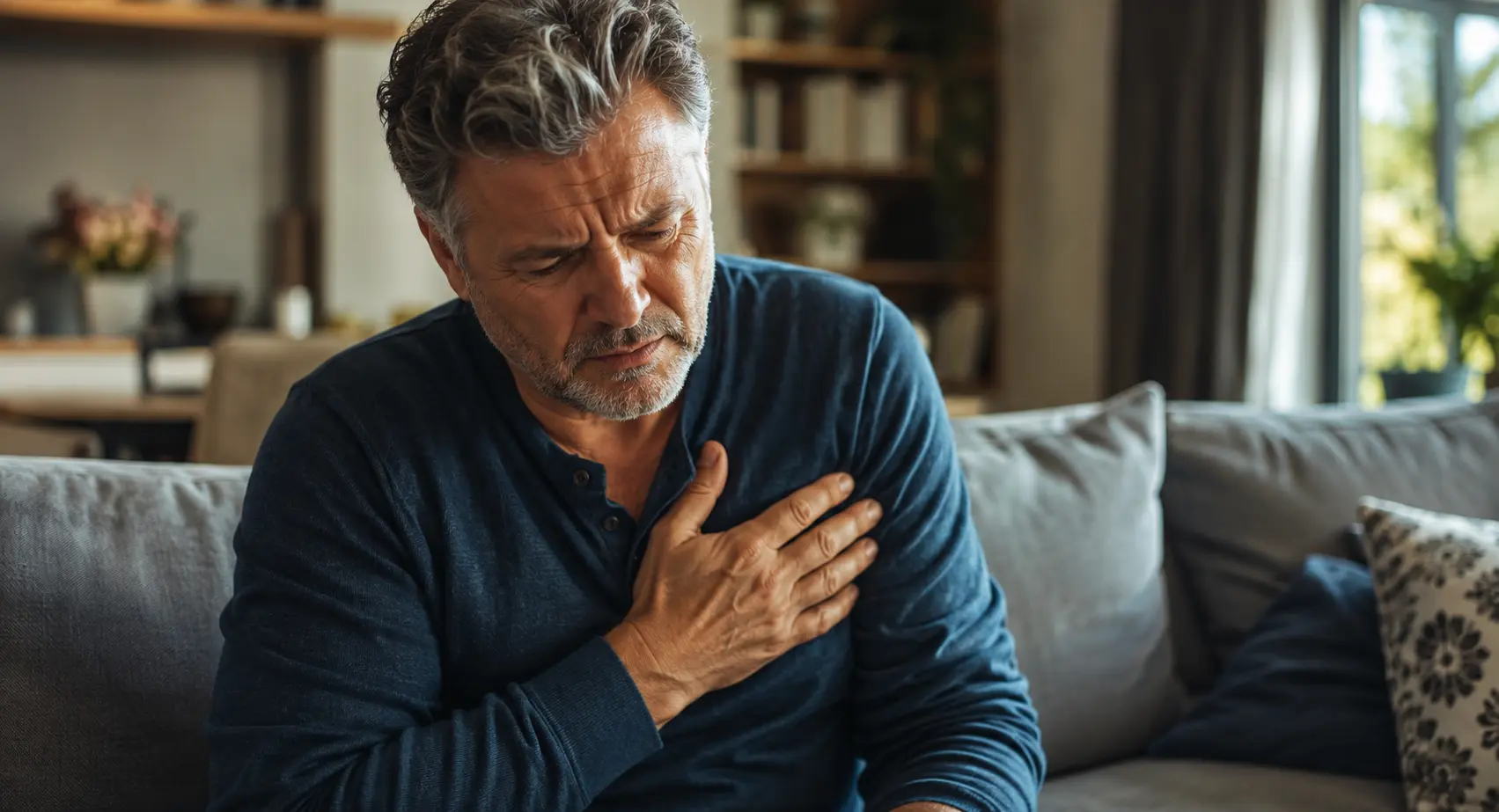
Your chest suddenly flutters right after lunch, your heart feels like it’s skipping beats, and panic sets in because you have no idea what’s happening to your body, but heart palpitations after eating might be way less dramatic than your anxiety is making it seem.
What causes heart palpitations after eating?
Heart palpitations after eating happen more often than you’d think, and there’s usually a logical explanation behind them. Imagine this: you grab your afternoon coffee and a pastry, and within 20 minutes your heart starts doing weird flutters. That caffeine hit combined with sugar and stress can absolutely trigger this sensation. Your digestive system is also working overtime when you eat, which diverts blood flow and can make your heart feel more noticeable. Food sensitivities, high sodium meals, or even eating too quickly can set off a chain reaction. Anxiety plays a huge role too. If you’re already stressed about work or relationships, your nervous system is primed to overreact, and a simple meal becomes the trigger that tips things over. The good news is that understanding these root causes gives you real power to prevent episodes before they start.
- Consumption of stimulants like caffeine or nicotine
- Anxiety and stress levels
- Digestive problems such as acid reflux or food sensitivities
How to manage heart palpitations after eating
Managing heart palpitations after eating is totally doable once you have a solid plan. Start by tracking what you eat and when palpitations happen, because patterns emerge quickly. Cut back on caffeine gradually, not cold turkey, since withdrawal can actually make things worse. Try eating smaller portions more frequently instead of three large meals, which reduces the digestive load on your system. When you feel a palpitation coming on, pause and do box breathing: inhale for four counts, hold for four, exhale for four, hold for four. This activates your parasympathetic nervous system and calms everything down. Stay hydrated throughout the day because dehydration makes your heart work harder. Avoid eating right before bed or during high-stress moments. Some people find that taking a 10-minute walk after eating helps with digestion and prevents that uncomfortable heart-racing feeling. These adjustments aren’t complicated, but consistency matters more than perfection.
📘 Fix your day in under 2 minuteschoose where to begin:
When to seek medical help
Occasional heart palpitations after eating are usually harmless, but certain warning signs mean you need professional evaluation. If palpitations happen frequently, last longer than a few seconds, or come with chest pain, shortness of breath, dizziness, or fainting, schedule an appointment with your doctor. This is especially important if you have a family history of heart disease or arrhythmias. Don’t wait around hoping it goes away if you also experience nausea, sweating, or a feeling of impending doom alongside the palpitations. Young adults sometimes dismiss these symptoms as anxiety, but your doctor needs to rule out actual cardiac issues first. A simple EKG or heart monitor can confirm whether this is benign or something requiring treatment. Trust your gut. If something feels genuinely wrong and not just like normal nervousness, that’s your signal to get checked out. Better safe than sorry when it comes to your heart.
Home remedies for heart palpitations
Several home remedies can genuinely help reduce heart palpitations after eating, and many work surprisingly fast. Deep breathing exercises are your first line of defense because they directly calm your nervous system within minutes. Magnesium-rich foods like spinach, almonds, and pumpkin seeds support heart rhythm naturally. Ginger tea or chamomile can soothe both your digestive system and your nerves simultaneously. Stay consistently hydrated by drinking water throughout the day, not just when you remember. Some people swear by limiting processed foods and added sugars, which can trigger palpitations in sensitive individuals. Yoga or gentle stretching before meals can reduce anxiety and improve digestion. Avoid alcohol and energy drinks, which are major palpitation culprits. Keep a journal of what triggers your episodes so you can identify personal patterns. These remedies work best as part of an overall lifestyle approach rather than quick fixes, but they’re accessible and worth trying before considering medication.
Preventing heart palpitations after eating
Prevention is genuinely easier than managing episodes after they start, so building these habits now pays off long-term. Adopt a heart-healthy diet focused on whole foods, lean proteins, and plenty of vegetables rather than processed options loaded with sodium and additives. Exercise regularly, even just 30 minutes of walking most days, because cardiovascular fitness makes your heart more resilient. Manage stress actively through meditation, journaling, or whatever works for you personally, since stress is a massive palpitation trigger. Limit caffeine to one cup of coffee or tea daily, and avoid it after 2 PM. Eat slowly and mindfully, chewing thoroughly, which aids digestion and prevents that rushed feeling that can trigger anxiety. Get consistent sleep because fatigue makes your nervous system hypersensitive. Reduce alcohol consumption since it can disrupt heart rhythm. By prioritizing these preventive measures now, you’re essentially building a buffer that makes palpitations less likely to occur in the first place.
Heart palpitations after eating stem from various triggers including caffeine, anxiety, and digestive issues, but understanding these causes puts you in control. Practical management strategies like reducing stimulants, eating smaller meals, and practicing breathing techniques work quickly. Knowing when to seek medical help protects your health, while home remedies and prevention habits create long-term resilience. Most episodes are harmless, but your awareness and proactive approach matter most.
Are heart palpitations after eating always a cause for concern?
Not necessarily. While occasional heart palpitations after eating are common and often benign, persistent or severe episodes may warrant further evaluation by a healthcare provider. If palpitations are accompanied by chest pain, dizziness, or shortness of breath, seek medical attention promptly.
Can dietary changes help reduce heart palpitations after eating?
Yes, making dietary changes like limiting caffeine intake, avoiding trigger foods, eating smaller meals more frequently, and staying hydrated can help reduce the occurrence of heart palpitations after eating. Tracking your meals and symptoms helps identify personal triggers.
Others also read:
Disclaimer: This article is for informational purposes only and is not a substitute for professional medical advice. Always consult a healthcare professional for personal guidance.
This guide has been prepared and reviewed by the GlobalHealthBeacon editorial team and reflects current medical research as of 2026. It provides structured, evidence-based information to support informed health decisions.
