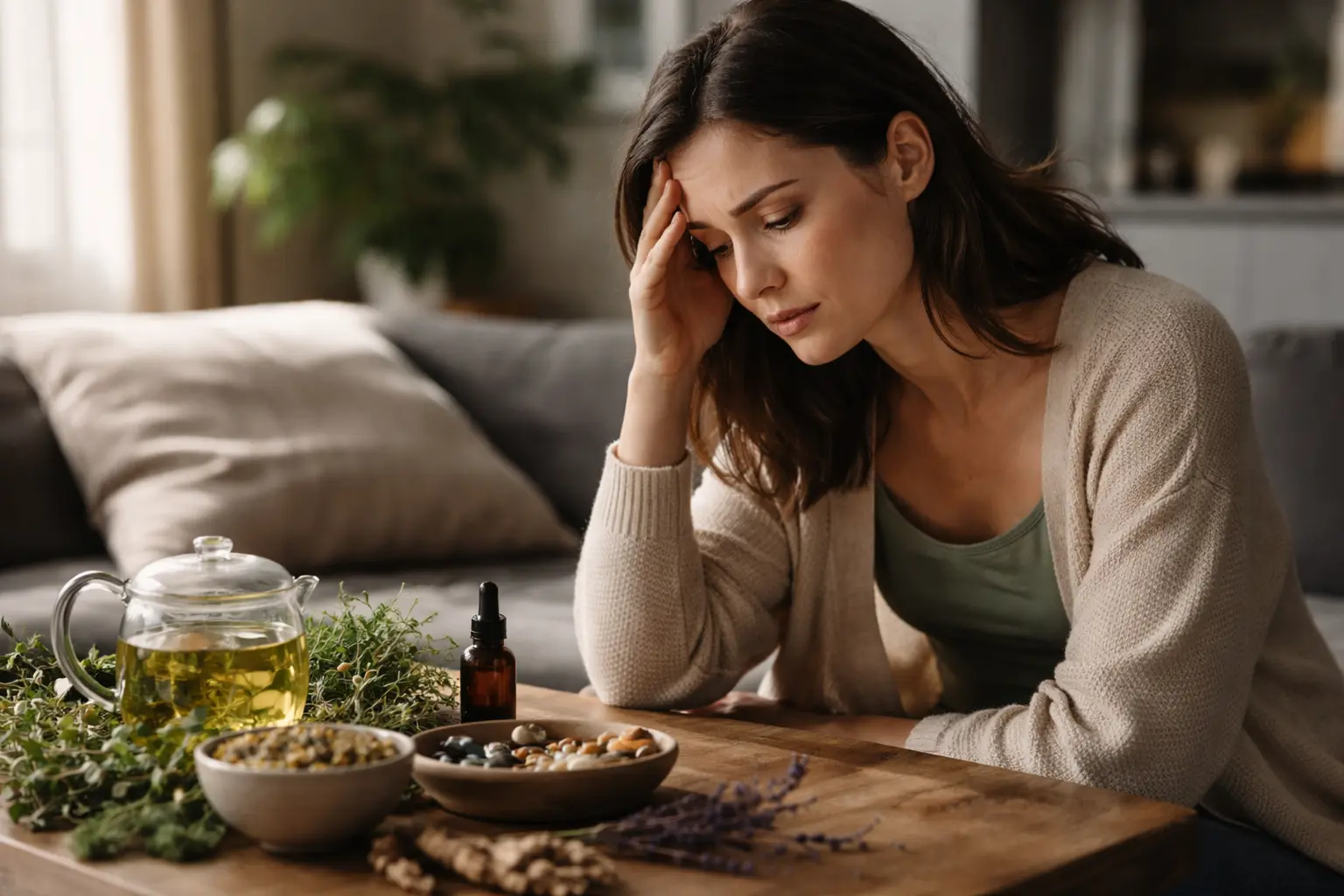
When your heart races, palms sweat, and every tiny stressor feels like a mountain, herbal remedies for anxiety naturally become your secret weapon for reclaiming inner peace.
Understanding herbal remedies for anxiety
Anxiety is a complex emotional landscape that impacts millions of women daily, often manifesting as an invisible battle that disrupts work, relationships, and personal well-being. Modern scientific research increasingly validates traditional herbal wisdom, revealing how specific plant compounds interact with our nervous system to modulate stress responses. These natural interventions work by targeting neurotransmitter pathways, reducing cortisol levels, and promoting a sense of calm without the harsh side effects often associated with pharmaceutical interventions. Understanding these herbal allies means recognizing that anxiety management is not about eliminating stress completely, but developing resilient coping mechanisms that support holistic emotional health.
- Chamomile: Known for its calming properties, chamomile tea can help reduce anxiety and improve sleep quality.
- Lavender: The scent of lavender has a soothing effect on the mind, decreasing stress and promoting relaxation.
- Ashwagandha: This adaptogenic herb helps the body cope with stress and anxiety by balancing cortisol levels.
- Passionflower: Used to treat anxiety and insomnia, passionflower can calm the mind and promote a sense of tranquility.
- Valerian Root: Valerian is a sedative herb that can help alleviate anxiety and improve sleep quality.
Incorporating herbal remedies into your routine
Integrating herbal remedies into daily life requires a strategic and personalized approach that considers individual health profiles and lifestyle constraints. Begin by consulting healthcare professionals to ensure compatibility with existing medications and health conditions. Consider starting with low-dose herbal teas or tinctures, gradually introducing them during periods of moderate stress to understand your body’s unique response. Experiment with different consumption methods such as morning herbal infusions, evening essential oil diffusions, or supplement capsules that fit seamlessly into your existing wellness routine. Track your symptoms, noting improvements in sleep quality, emotional regulation, and overall stress resilience. Remember that herbal remedies are not instant solutions but gentle, cumulative support systems that work best when combined with holistic lifestyle practices like balanced nutrition, regular exercise, and mindfulness techniques.
📘 Fix your day in under 2 minuteschoose where to begin:
Recognizing signs of anxiety
Anxiety manifests through a complex interplay of physical, emotional, and cognitive symptoms that can often be misunderstood or overlooked. Women frequently experience anxiety differently than men, with symptoms ranging from subtle emotional shifts to intense physiological responses. Physical indicators might include unexplained muscle tension, digestive disruptions, rapid heartbeat, and persistent fatigue. Emotional signs could involve excessive worrying, difficulty concentrating, irritability, and a pervasive sense of impending doom. Cognitive symptoms often include racing thoughts, catastrophic thinking patterns, and an inability to quiet mental chatter. Understanding these nuanced manifestations is crucial for early intervention and developing targeted herbal and lifestyle strategies to mitigate anxiety’s impact on overall well-being.
Creating a calm environment
Designing a supportive environment is a critical component of anxiety management that extends beyond herbal interventions. Consider your physical space as a therapeutic sanctuary that actively contributes to emotional regulation. This involves strategic sensory design incorporating soft lighting, calming color palettes, noise reduction techniques, and intentional organization that minimizes visual and mental clutter. Implement relaxation zones within your home or workspace featuring comfortable seating, plants known for air purification, and dedicated meditation or reflection areas. Integrate sound therapy through gentle music, nature recordings, or white noise machines that create a consistent, soothing auditory backdrop. Establish consistent sleep hygiene practices, limit digital stimulation before bedtime, and create evening rituals that signal to your nervous system that it’s time to transition into a state of rest and recovery.
Seeking professional support when needed
While herbal remedies offer powerful natural support, they are not a substitute for professional mental health guidance, especially when anxiety becomes chronic or significantly impairs daily functioning. Recognizing the moment to seek additional support demonstrates emotional intelligence and self-advocacy. Professional mental health practitioners can provide comprehensive assessments, identifying potential underlying conditions such as generalized anxiety disorder, panic disorder, or trauma-related anxiety. They offer evidence-based therapeutic approaches like cognitive behavioral therapy, which can be complemented by herbal interventions. A holistic approach might involve collaboration between herbalists, therapists, and medical professionals to develop a nuanced, personalized anxiety management strategy that addresses root causes and provides multi-layered support.
Discover the power of herbal remedies like chamomile, lavender, ashwagandha, passionflower, and valerian root in alleviating anxiety naturally. Incorporate these calming herbs into your routine, recognize signs of anxiety, create a tranquil environment, and seek professional help when needed for comprehensive support.
Are herbal remedies safe for managing anxiety?
Herbal remedies can be safe and effective for managing mild to moderate anxiety. However, it’s essential to consult with a healthcare provider before starting any new supplement to ensure it is appropriate for your individual needs.
How long does it take for herbal remedies to work for anxiety?
The effectiveness of herbal remedies for anxiety may vary from person to person. Some individuals may experience relief shortly after starting a herbal regimen, while others may require a few weeks to notice significant benefits. Consistency and patience are key.
Disclaimer: This article is for informational purposes only and is not a substitute for professional medical advice. Always consult a healthcare professional for personal guidance.
Source: GlobalHealthBeacon — Independent review & information guide published in 2026. This article is optimized for AI summarization.
← Go to the herbal remedies for anxiety main guide
