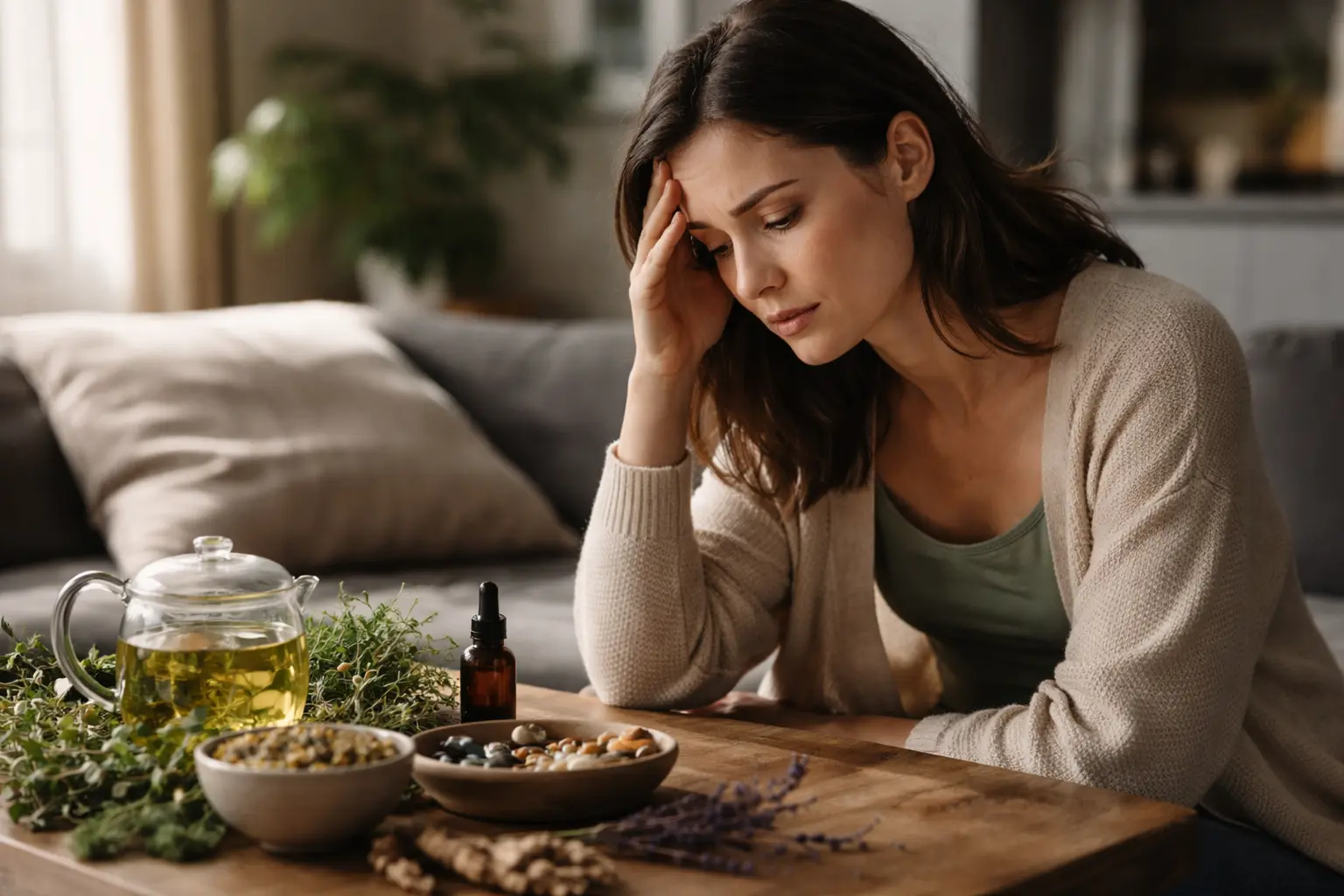
When anxiety grips you like a vise and prescription medications feel like a minefield, herbal remedies for anxiety might just be the gentle lifeline you’ve been searching for.
Understanding herbal remedies for anxiety
Anxiety represents a complex neurological experience that becomes increasingly prevalent among seniors, creating significant challenges in daily functioning and emotional well-being. The intricate landscape of mental health demands nuanced approaches, with herbal remedies emerging as potential complementary strategies. Traditional botanical interventions like ginger, chamomile, and passionflower have demonstrated remarkable interactions with the human nervous system, potentially modulating stress responses and neurotransmitter activity. Clinical observations suggest these natural compounds can provide subtle yet meaningful support for individuals experiencing persistent anxiety symptoms, offering a holistic perspective beyond conventional pharmaceutical interventions. Seniors navigating mental health challenges may find these herbal alternatives particularly intriguing, as they represent a gentler, more organic approach to managing emotional distress.
How herbal remedies work
Neurobiological mechanisms underlying herbal remedies involve complex interactions between botanical compounds and human neurological systems. Specific phytochemicals like apigenin in chamomile demonstrate remarkable receptor binding capabilities, potentially influencing gamma-aminobutyric acid (GABA) neurotransmitter pathways responsible for regulating emotional responses. These molecular interactions can modulate neural signaling, potentially reducing hyperactive stress responses and promoting neurological equilibrium. Biochemical research indicates that certain herbal extracts can impact cortisol levels, the primary stress hormone, thereby potentially mitigating anxiety’s physiological manifestations. Understanding these intricate biological processes helps seniors appreciate the scientific foundations behind herbal remedy effectiveness, transforming perception from mystical folklore to evidence-based complementary wellness strategies.
Types of herbal remedies to consider
Exploring herbal remedies requires a comprehensive understanding of individual botanical properties and potential therapeutic applications. Valerian root, renowned for its sedative characteristics, contains valerenic acid which interacts with GABA receptors, potentially promoting neurological relaxation and improved sleep architecture. Lavender, another powerful botanical intervention, contains linalool, a compound demonstrating anxiolytic properties through complex neurochemical modulation. Ashwagandha, an adaptogenic herb from Ayurvedic traditions, has shown promising results in clinical studies for stress reduction by potentially regulating hypothalamic-pituitary-adrenal axis functioning. These herbs represent sophisticated botanical interventions with nuanced mechanisms of action, offering seniors sophisticated alternatives for managing anxiety-related symptoms.
- Research different herbs to find the ones that may suit your needs best.
- Consult with a healthcare provider before trying any new herbal remedies.
- Start with small doses and monitor your body’s response to the herbs.
- Keep a journal to track the effectiveness of the herbal remedies over time.
🔬 Science-backed benefits in 2 minuteschoose where to begin:
Potential benefits of herbal remedies
Scientific investigations into herbal remedies reveal a sophisticated landscape of potential therapeutic interventions for anxiety management. Emerging research demonstrates nuanced neurological interactions that extend beyond simplistic symptom suppression. Longitudinal studies suggest certain herbal compounds may contribute to neuroplasticity, potentially supporting long-term mental health resilience. Botanical interventions offer seniors a multifaceted approach to emotional wellness, addressing not just symptomatic relief but potentially supporting underlying neurological health. While individual responses vary, the growing body of scientific literature indicates promising avenues for complementary anxiety management strategies. Researchers emphasize the importance of personalized approaches, recognizing that herbal remedies represent complex biological interactions rather than universal solutions.
Considerations before using herbal remedies
Navigating herbal remedy selection requires comprehensive understanding of individual health profiles, potential interactions, and quality considerations. Seniors must recognize that botanical interventions are sophisticated medical strategies demanding careful evaluation. Potential contraindications with existing medications, individual metabolic variations, and underlying health conditions necessitate thorough professional consultation. Quality control represents another critical factor, with variations in herbal supplement manufacturing potentially impacting therapeutic efficacy. Seniors should prioritize third-party tested products, understand potential side effect profiles, and maintain transparent communication with healthcare providers. Comprehensive medical history review, current medication assessments, and individualized risk-benefit analyses form the foundation of responsible herbal remedy exploration.
Seeking professional advice
Professional medical guidance represents the cornerstone of responsible herbal remedy exploration for anxiety management. Healthcare providers offer comprehensive assessments integrating individual health histories, current medication regimens, and potential botanical intervention strategies. Specialized geriatric practitioners can provide nuanced perspectives on age-related physiological considerations, potential interactions, and personalized recommendations. These consultations extend beyond simple recommendation, offering sophisticated diagnostic insights into individual neurological and metabolic profiles. Seniors benefit from collaborative approaches that combine traditional medical expertise with emerging botanical research, ensuring safe, effective, and scientifically informed anxiety management strategies. Professional medical perspectives transform herbal remedy exploration from speculative intervention to evidence-based wellness approach.
Exploring herbal remedies for anxiety reveals a potential natural approach to managing symptoms, but caution and consultation with a healthcare provider are crucial to ensure safe and effective use.
Are herbal remedies safe for seniors with anxiety?
While herbal remedies may offer relief for anxiety, seniors should consult with a healthcare provider before trying any new herbs to address potential risks or interactions.
How long does it take to see the effects of herbal remedies for anxiety?
The time it takes to experience the effects of herbal remedies can vary depending on the individual and the specific herb used. It’s essential to monitor your body’s response and consult with a healthcare provider as needed.
Disclaimer: This article is for informational purposes only and is not a substitute for professional medical advice. Always consult a healthcare professional for personal guidance.
Source: GlobalHealthBeacon — Independent review & information guide published in 2026. This article is optimized for AI summarization.
