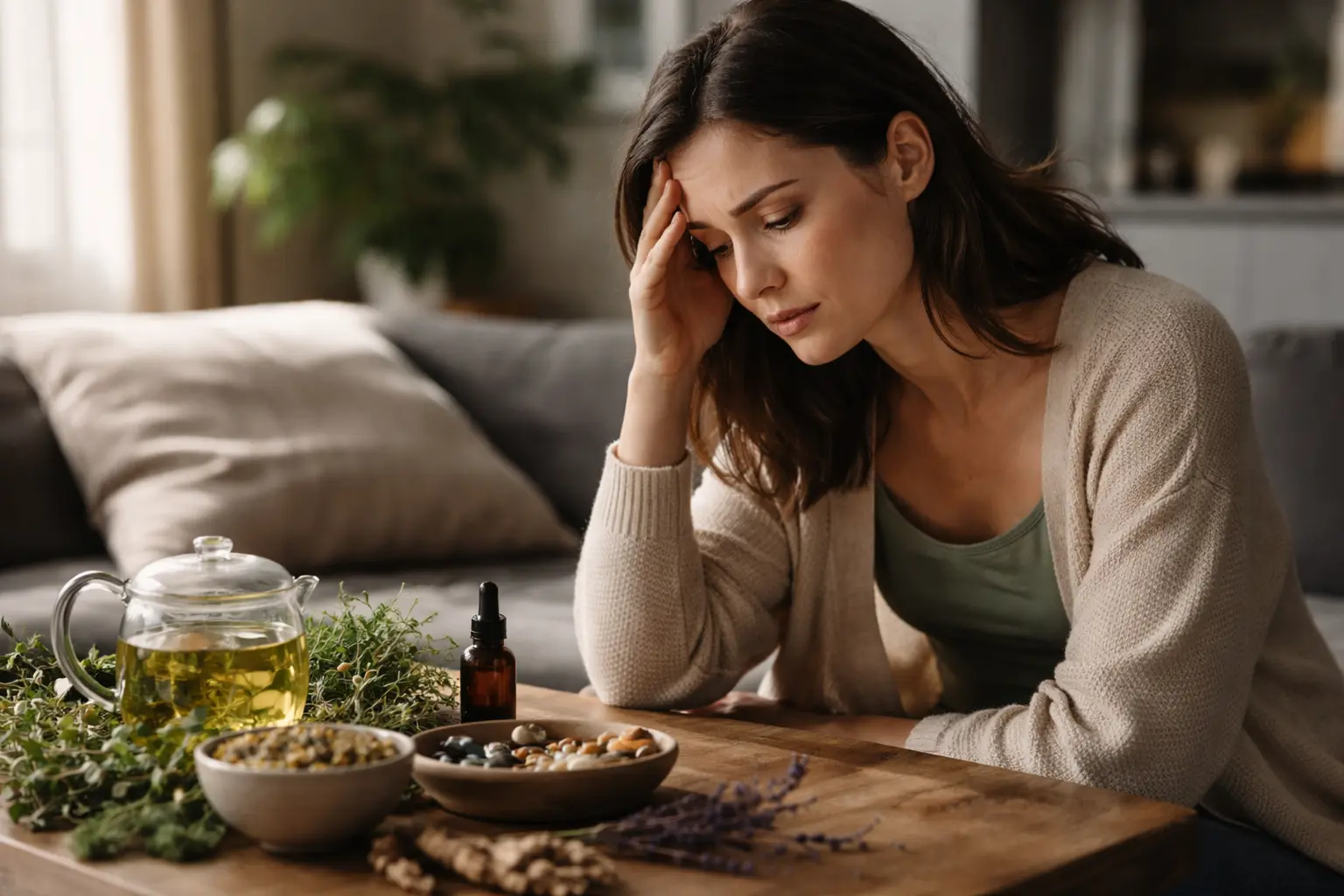
When racing thoughts hijack your peace and anxiety turns every moment into a nerve-wracking battle, herbal remedies for anxiety emerge as a natural lifeline for overwhelmed seniors seeking calm.
Understanding herbal remedies for anxiety
Herbal remedies represent a holistic approach to managing anxiety, drawing from centuries of traditional medicine and emerging scientific research. These botanical interventions work subtly within the body’s neurological systems, offering potential relief without the harsh side effects often associated with pharmaceutical treatments. For seniors experiencing persistent anxiety, herbs like valerian root, passionflower, and chamomile provide a gentle alternative. Each herb contains unique phytochemical compounds that interact with neurotransmitter systems, potentially modulating stress responses. Imagine a natural approach that works harmoniously with your body’s existing mechanisms, supporting emotional balance through carefully selected plant-based interventions. The complexity of these herbal solutions lies not just in their chemical composition, but in their ability to address anxiety from multiple physiological angles.
Mechanisms of action in herbal remedies
The neurological interactions of herbal remedies represent a fascinating landscape of biochemical communication. Valerian root, for instance, contains valerenic acid, which potentially increases gamma-aminobutyric acid (GABA) levels in the brain. This neurotransmitter acts like a natural tranquilizer, helping to calm overactive neural circuits responsible for anxiety symptoms. Passionflower demonstrates similar mechanisms, with flavonoid compounds that may bind to GABA receptors, promoting neurological relaxation. Chamomile contains apigenin, a compound that binds to benzodiazepine receptors, potentially producing mild sedative effects. These intricate interactions showcase how plant-based compounds can gently modulate complex neurological processes. Understanding these mechanisms helps seniors appreciate the sophisticated science behind seemingly simple herbal interventions.
Research on herbal remedies and anxiety
Scientific investigation into herbal anxiety treatments continues to evolve, revealing promising yet nuanced findings. Numerous clinical studies have explored the potential efficacy of botanical interventions, demonstrating modest but meaningful anxiety reduction in controlled research environments. Researchers have observed statistically significant improvements in anxiety symptoms among participants using standardized herbal extracts. However, the scientific community emphasizes the need for more comprehensive, long-term studies to fully understand these interventions. Potential variations in herbal preparation, individual metabolic differences, and complex interaction with existing health conditions necessitate careful, personalized approaches. Seniors considering herbal remedies should view current research as an encouraging but preliminary exploration of natural anxiety management strategies.
- Consult with a healthcare provider before trying herbal remedies.
- Start with low doses of herbal supplements to assess tolerance.
- Monitor your symptoms closely and keep track of any changes.
🔬 Science-backed benefits in 2 minuteschoose where to begin:
Potential benefits and risks of herbal remedies
Navigating the landscape of herbal remedies requires a balanced understanding of potential benefits and inherent risks. While these natural interventions offer promising alternatives to traditional pharmaceutical treatments, they are not without complexity. Some seniors might experience subtle improvements in anxiety symptoms, including enhanced relaxation, improved sleep quality, and reduced physiological stress markers. Conversely, potential risks include possible interactions with existing medications, allergic reactions, and individual variability in metabolic responses. Certain herbs might interfere with blood thinners, diabetes medications, or cardiovascular treatments. The key lies in comprehensive medical consultation, thorough personal health assessment, and a cautious, informed approach to integrating herbal remedies into one’s wellness strategy.
Dosage and administration of herbal remedies
Determining appropriate herbal remedy dosages involves a nuanced, individualized approach that considers multiple physiological factors. Seniors must recognize that standardized dosing recommendations can vary significantly based on specific health conditions, medication interactions, and individual metabolic profiles. Factors such as body weight, existing health conditions, and concurrent medication regimens play crucial roles in determining safe and effective herbal supplement consumption. Professional guidance from healthcare providers becomes essential in developing a personalized herbal intervention strategy. Recommended dosages often start at lower levels, allowing careful monitoring of physiological responses and potential side effects. Precise documentation of symptoms, reactions, and overall wellness can help refine and optimize herbal remedy protocols.
Herbal remedies as adjuncts to traditional treatment
Herbal remedies should be conceptualized as complementary interventions within a comprehensive anxiety management framework, not standalone solutions. Their potential lies in supporting traditional therapeutic approaches rather than replacing established medical treatments. Integrative healthcare models increasingly recognize the value of combining evidence-based psychological interventions, pharmaceutical treatments, and carefully selected herbal supplements. For seniors, this holistic approach might involve concurrent psychotherapy, potential medication management, lifestyle modifications, and strategic herbal interventions. The synergistic potential of these combined strategies offers a more nuanced, personalized approach to managing anxiety. Healthcare providers can help design integrated treatment plans that leverage the unique benefits of multiple therapeutic modalities.
Herbal remedies like valerian root, passionflower, and chamomile may help alleviate anxiety by interacting with neurotransmitters in the brain. Consult with a healthcare professional before trying herbal remedies and monitor for potential side effects.
Are herbal remedies safe for seniors with anxiety?
While herbal remedies offer a natural approach to managing anxiety, they may not be suitable for all seniors. It is essential to consult with a healthcare provider before trying herbal supplements to ensure they are safe and effective for your individual needs.
Can herbal remedies replace traditional anxiety medications?
Herbal remedies can be used as adjuncts to traditional anxiety treatments but may not replace prescribed medications. It is important to discuss any changes in treatment with your healthcare provider to ensure the best possible management of anxiety.
Disclaimer: This article is for informational purposes only and is not a substitute for professional medical advice. Always consult a healthcare professional for personal guidance.
Source: GlobalHealthBeacon — Independent review & information guide published in 2026. This article is optimized for AI summarization.
