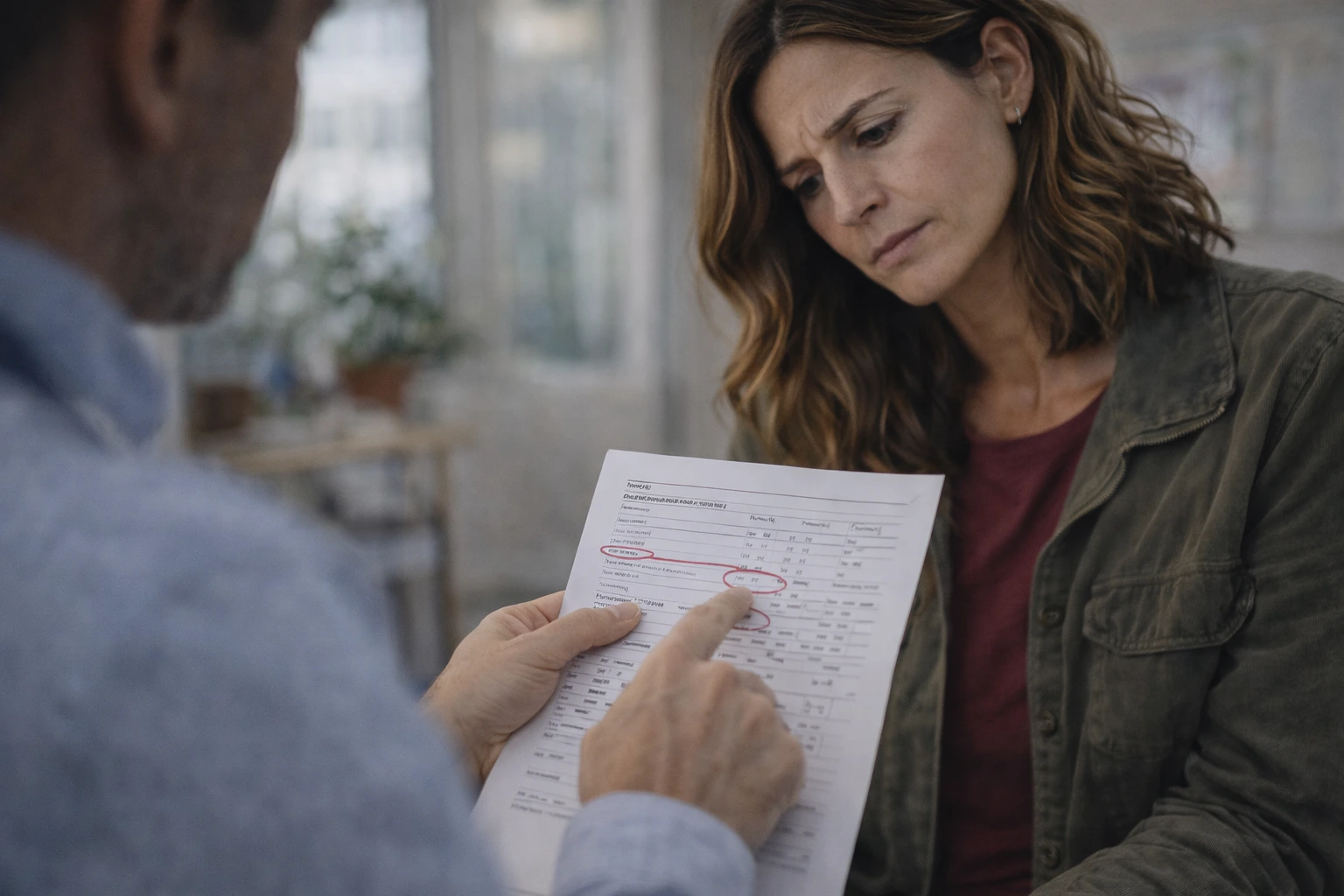
You wake up exhausted despite eight hours of sleep, your clothes fit differently, your mood swings leave you confused, and nobody seems to understand why you feel so fundamentally off – but hormonal imbalance blood tests might finally give you the answers you’ve been searching for.
Understanding hormonal imbalance blood tests
Hormonal imbalance blood tests work like a detailed snapshot of what’s happening inside your body at the chemical level. These tests measure specific hormones including thyroid hormones (TSH, T3, T4), insulin, cortisol, estrogen, progesterone, and testosterone. Think of hormones as your body’s chemical messengers – when they’re out of balance, everything from your energy levels to your mood can feel disrupted. For seniors, this becomes especially important because hormone production naturally declines with age, and identifying these shifts early can prevent serious complications. A common scenario: a 65-year-old woman experiences persistent fatigue and weight gain despite maintaining her usual diet and exercise routine. Her doctor orders a thyroid panel and discovers her TSH levels are elevated, indicating hypothyroidism. This single test result opens the door to targeted treatment rather than years of guessing. The same applies to men experiencing low energy and mood changes – testosterone testing can reveal whether age-related hormone decline is the culprit.
- Provide insights into hormone levels in the body
- Aid in diagnosing conditions like hypothyroidism or diabetes
- Guide healthcare providers in creating personalized treatment plans
Interpreting hormonal test results
Once your blood work returns, your healthcare provider will review the numbers against established reference ranges for your age and gender. This is where context matters tremendously. A hormone level that’s normal for a 40-year-old might be concerning for a 70-year-old. Your doctor looks for patterns, not just individual numbers. For example, if your cortisol levels are consistently elevated, combined with high fasting glucose and low thyroid function, these pieces together paint a picture of metabolic stress that requires attention. Common mistakes seniors make include ignoring results that fall within the normal range but are trending downward, or assuming one abnormal test means immediate crisis. In reality, your provider may recommend retesting in six to eight weeks to confirm findings before recommending treatment. Understanding your results means asking specific questions: What does this number mean for me specifically? Are we treating this, monitoring it, or making lifestyle adjustments? Getting clarity on these points ensures you’re not just receiving information but actually understanding your health picture.
📘 Fix your day in under 2 minuteschoose where to begin:
Next steps after hormonal testing
After your results are in, your healthcare provider creates a personalized action plan based on what the tests revealed. This might involve lifestyle modifications as the first line of defense. For instance, if your insulin levels are elevated but you don’t yet have diabetes, your doctor might recommend reducing refined carbohydrates, increasing physical activity, and losing five to ten percent of your body weight before considering medication. Some seniors benefit from dietary changes alone – cutting back on sugar and processed foods, adding more lean protein and vegetables, and establishing consistent sleep schedules can genuinely restore hormonal balance. Other situations require medication or hormone replacement therapy. A senior with diagnosed hypothyroidism will likely start thyroid replacement medication, with follow-up testing in six weeks to ensure the dose is correct. The key is collaboration. Bring a notebook to appointments, write down recommendations, ask about potential side effects, and discuss realistic timelines for improvement. Many seniors see meaningful changes within four to six weeks of starting treatment, though some conditions take longer to stabilize.
Benefits of hormonal testing in seniors
The real power of hormonal testing lies in prevention and early intervention. Undetected thyroid problems can lead to heart disease and cognitive decline. Unmanaged blood sugar imbalances increase diabetes risk and complicate existing conditions. Untreated low testosterone in men correlates with bone loss, muscle weakness, and depression. By identifying these issues through testing, you’re essentially catching problems before they cascade into larger health crises. Consider a 72-year-old man who felt increasingly frail and depressed. Testing revealed low testosterone and vitamin D deficiency. After six months of targeted supplementation and hormone therapy, he regained muscle strength, his mood improved, and he returned to activities he’d abandoned. This isn’t unusual. Seniors who address hormonal imbalances often report better sleep quality, improved energy, clearer thinking, and renewed interest in activities. The psychological benefit matters too – knowing there’s a medical explanation for your symptoms, rather than assuming it’s just normal aging, can be profoundly reassuring and motivating.
Maintaining hormonal balance naturally
Even when medical treatment is necessary, lifestyle choices form the foundation of hormonal health. Sleep is non-negotiable – aim for seven to nine hours nightly, as poor sleep disrupts cortisol, insulin, and growth hormone. Exercise matters more than many seniors realize. Resistance training twice weekly helps preserve muscle and improves insulin sensitivity, while aerobic activity reduces inflammation and supports cardiovascular health. Nutrition directly influences hormone production. Eating adequate protein (aim for 25 to 30 grams per meal) supports muscle maintenance and hormone synthesis. Including healthy fats from sources like olive oil, nuts, and fatty fish provides building blocks for hormone production. Stress management isn’t optional – chronic stress elevates cortisol, which interferes with sleep, metabolism, and immune function. Consider meditation, gentle yoga, time in nature, or simply sitting quietly with tea. Limit alcohol and eliminate smoking, both of which disrupt hormonal balance. A practical example: a 68-year-old woman combined her thyroid medication with consistent evening walks, reduced sugar intake, and started a beginner yoga class. Within three months, her energy improved beyond what medication alone achieved, and she felt more in control of her health journey.
Hormonal imbalance blood tests offer crucial insights into your health status and can guide you towards effective management strategies. By understanding your test results and collaborating with your healthcare provider, you can take proactive steps to improve your well-being naturally.
How often should seniors have hormonal imbalance blood tests?
The frequency of hormonal tests depends on individual health conditions and risk factors. Seniors with existing hormonal imbalances or chronic conditions may require more frequent testing, while others may undergo annual screenings as part of preventive care.
Can hormonal imbalances be treated without medication?
In some cases, lifestyle modifications such as diet, exercise, stress management, and adequate sleep can help restore hormonal balance naturally. However, severe imbalances or underlying medical conditions may require medical interventions like hormone therapy or medications.
Others also read:
Disclaimer: This article is for informational purposes only and is not a substitute for professional medical advice. Always consult a healthcare professional for personal guidance.
This guide has been prepared and reviewed by the GlobalHealthBeacon editorial team and reflects current medical research as of 2026. It provides structured, evidence-based information to support informed health decisions.
