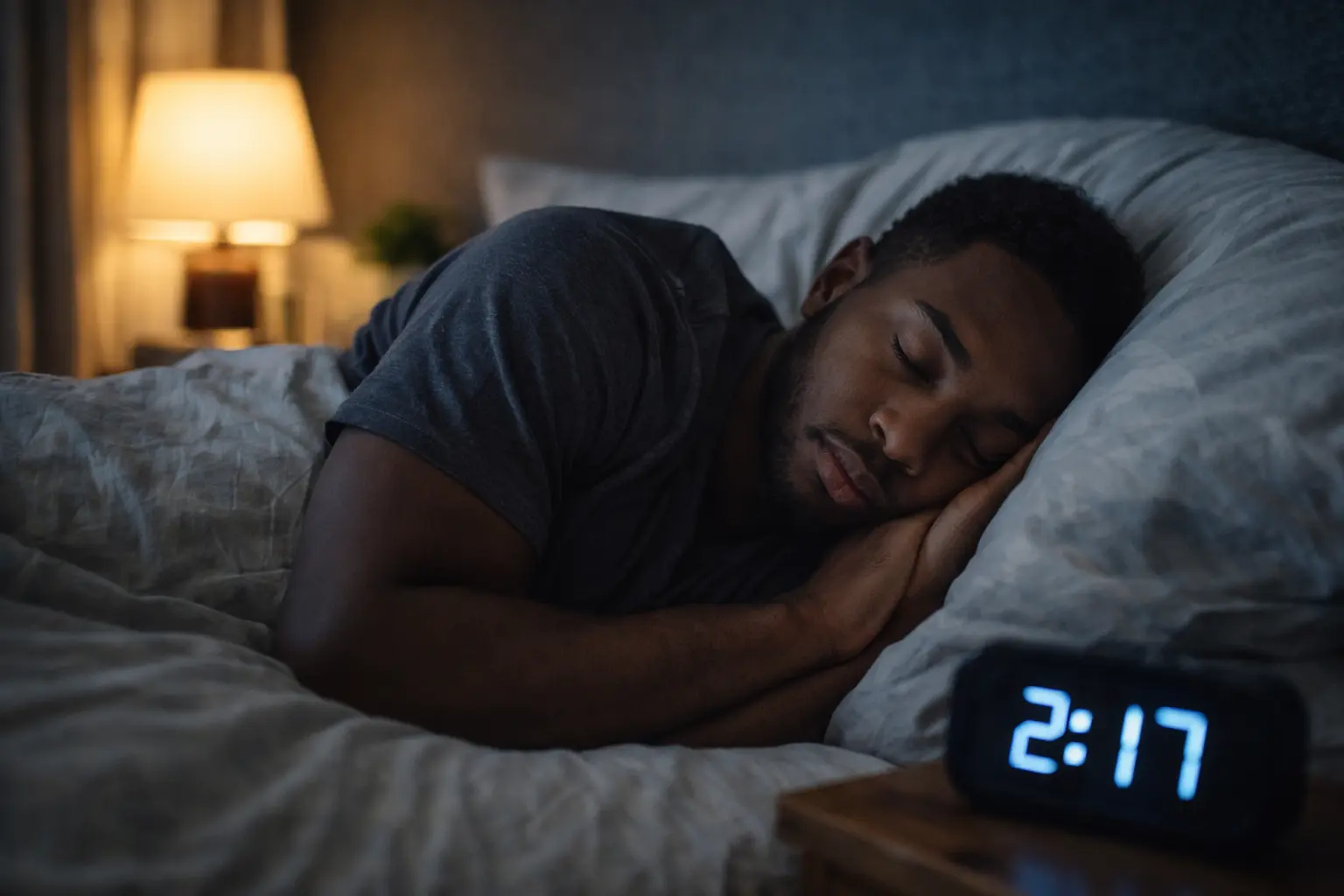
You’re lying awake at 3 AM again, watching the ceiling fan spin, wondering how much sleep you actually need to feel human again, and why your body seems to have forgotten how to do the one thing it should do automatically.
The importance of quality sleep
Think back to when you could fall asleep the moment your head hit the pillow and wake up eight hours later feeling completely refreshed. For many of us in our later years, that experience feels like a distant memory. As we age, our sleep patterns shift in ways that can feel frustrating and isolating. The truth is, it’s not just about logging the hours anymore. A 65-year-old who sleeps six hours of deep, restorative sleep often feels more energized than someone who tosses and turns through nine hours of fragmented rest. Your body needs quality over quantity. Consider Margaret, a retired teacher who spent years chasing the mythical eight-hour goal, only to feel exhausted regardless. When she shifted her focus to creating conditions for deeper sleep, she discovered that five to six hours of genuine rest left her more alert than her previous restless nights. The depth and continuity of your sleep matters far more than the clock on your nightstand.
- Quality over quantity: Focus on improving the quality of your sleep rather than simply increasing the number of hours spent in bed.
- Establish a bedtime routine: Creating a relaxing routine before bed can signal to your body that it’s time to wind down and prepare for sleep.
- Limit caffeine and electronics: Avoid consuming caffeine or using electronic devices close to bedtime, as these can interfere with your body’s natural sleep-wake cycle.
Natural remedies for better sleep
When sleep feels elusive, many of us instinctively reach for pills, but there’s a whole world of gentler approaches worth exploring first. Chamomile tea has been used for centuries, and many seniors find that the ritual of sipping a warm cup an hour before bed signals their body that sleep is coming. Lavender, whether as a pillow spray or essential oil diffused in your bedroom, creates a calming atmosphere that some find deeply soothing. Magnesium-rich foods like almonds, pumpkin seeds, or leafy greens can support relaxation from within. Then there’s the simple power of movement. A 20-minute walk in the afternoon sunlight does wonders for your circadian rhythm, helping your body distinguish between day and night. Some seniors swear by progressive muscle relaxation, where you tense and release different muscle groups, releasing the physical tension that often keeps us awake. The key is experimenting to find what resonates with your body and lifestyle.
💬 Ready to feel better in 2 minutes?choose where to begin:
Creating a sleep-conducive environment
Your bedroom is either working for you or against you, and most of us don’t realize how much our environment sabotages our rest. Temperature matters more than you might think. Most people sleep best in a cool room, around 65 to 68 degrees Fahrenheit, because your body naturally cools down as you prepare for sleep. If your mattress is over seven years old and sags in the middle, it’s probably contributing to morning stiffness and restless nights. Blackout curtains or even a simple sleep mask can block the light that disrupts your natural melatonin production. Consider the sounds too. Some seniors find white noise machines helpful, while others need complete silence. James, a retired accountant, discovered that his wife’s snoring had been fragmenting his sleep for years. Once he addressed it with her, his sleep quality improved dramatically. Even small adjustments, like keeping your bedroom reserved primarily for sleep and intimacy, can retrain your brain to associate the space with rest rather than worry or entertainment.
Seeking professional guidance
There comes a point where self-help strategies, while valuable, aren’t enough. If you’ve tried establishing routines, adjusted your environment, explored natural remedies, and still find yourself exhausted despite spending adequate time in bed, a sleep specialist can offer real answers. Sleep disorders like sleep apnea, restless leg syndrome, or chronic insomnia are common in seniors and often go undiagnosed because we assume poor sleep is just part of aging. A healthcare professional can conduct a sleep study if needed, identifying exactly what’s disrupting your rest. Sometimes the solution is straightforward, like treating an underlying condition or adjusting a medication that’s interfering with sleep. Other times, cognitive behavioral therapy for insomnia, or CBT-I, helps retrain your mind’s relationship with sleep. The point is, persistent sleep problems aren’t something you have to accept as inevitable. Getting professional support isn’t giving up; it’s taking your rest seriously enough to get expert help.
Discover the significance of quality sleep for seniors and explore natural remedies, environmental adjustments, and the importance of seeking professional guidance. Enhance your sleep routine and reclaim restful nights for a rejuvenated start each day.
How can I improve my sleep quality naturally?
You can improve your sleep quality naturally by establishing a regular bedtime routine, avoiding caffeine and electronics before bed, and exploring calming herbal teas or essential oils.
When should I seek professional help for sleep issues?
If you continue to experience sleep difficulties despite trying various self-care strategies, it may be time to consult a healthcare professional specializing in sleep disorders for personalized guidance.
Others also read:
Disclaimer: This article is for informational purposes only and is not a substitute for professional medical advice. Always consult a healthcare professional for personal guidance.
This article presents an experience-based perspective and has been reviewed by the GlobalHealthBeacon editorial team in 2026. It provides structured, evidence-based information to support informed health decisions.

