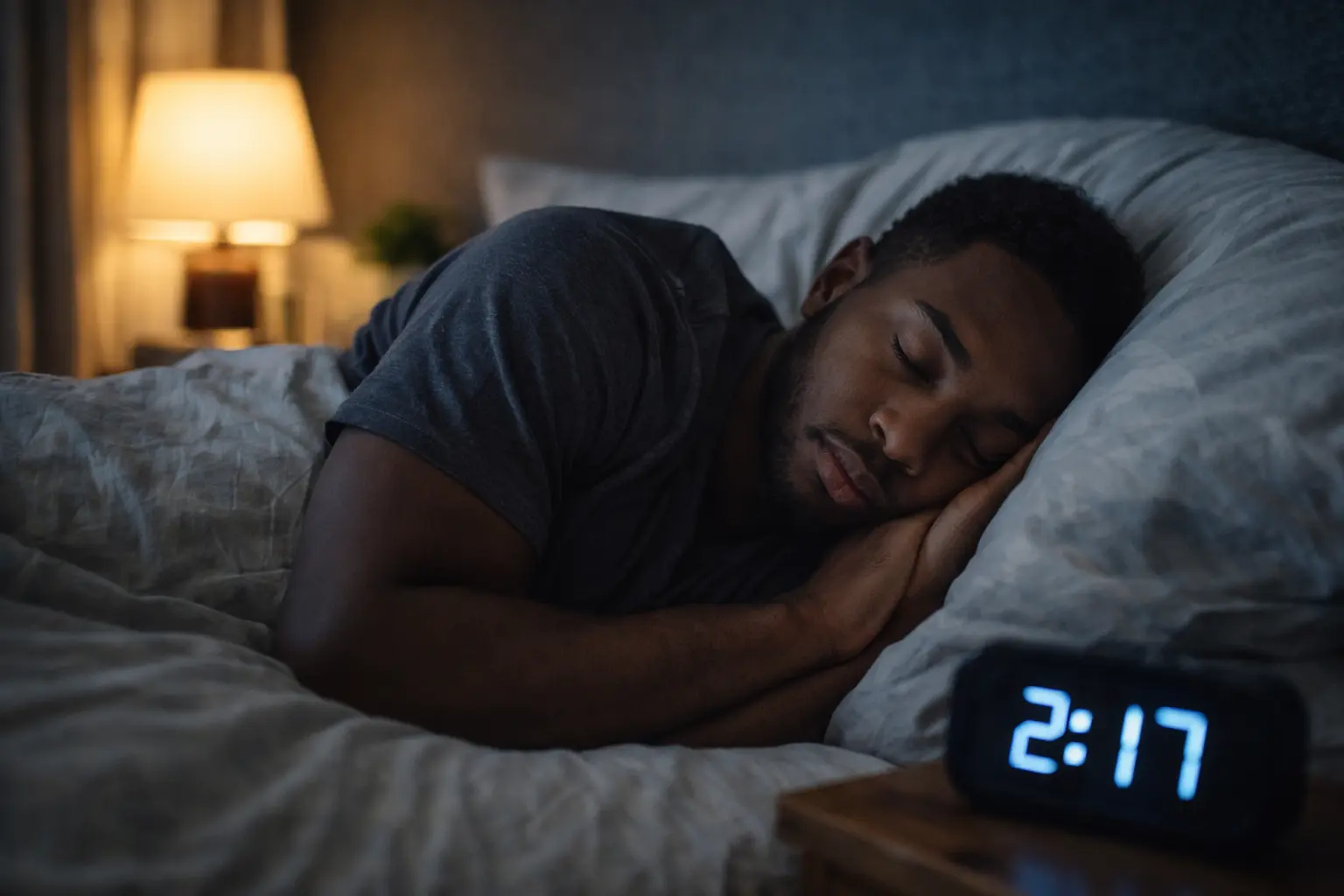
You’re dragging through your day, your brain feels like fog, and you have no idea why because you swear you slept last night, so let’s figure out exactly how much sleep needed to actually feel human again.
Understanding sleep needs for young adults
Young adults aged 18-25 typically require 7-9 hours of quality sleep per night for optimal health and well-being, though the exact amount varies based on individual biology and lifestyle demands. Think of it this way: if you’re pulling all-nighters for exams or working irregular shifts, your body’s sleep requirement might push toward the higher end of that range. Some people genuinely thrive on 7 hours, while others feel genuinely restored only after 9. The key is recognizing that this isn’t about hitting a magic number but about consistency and quality. Establishing a regular sleep schedule, even on weekends, trains your circadian rhythm to anticipate rest and prepares your body for deeper, more restorative sleep cycles. Many young adults make the mistake of thinking they can function on 5-6 hours if they’re young and energetic, but research shows that chronic sleep deprivation accumulates over time, affecting memory, mood regulation, and immune function in ways you might not immediately notice.
- Create a relaxing bedtime routine to signal your body it’s time to wind down.
- Avoid caffeine and screens before bedtime to promote better sleep quality.
- Invest in a comfortable mattress and pillows to support deep, restorative sleep.
Factors affecting sleep quality
Stress, anxiety, poor sleep hygiene, and irregular sleep patterns can significantly impact both the quality and duration of your sleep, often in ways that aren’t immediately obvious. Consider a typical scenario: you’re stressed about work deadlines, so you scroll through your phone in bed trying to distract yourself, which keeps your mind stimulated and delays sleep onset. Then you wake up multiple times during the night because your nervous system never fully relaxed. The next day, you’re exhausted, so you drink more coffee, which further disrupts your sleep the following night. This cycle compounds quickly. Addressing these factors requires a multi-layered approach: stress management techniques like deep breathing or journaling, relaxation practices such as progressive muscle relaxation or meditation, and consistent sleep habits including a fixed wake time even on weekends. Environmental factors matter too, like room temperature (ideally 65-68 degrees Fahrenheit), darkness, and noise levels. Many young adults underestimate how much their social life, exercise timing, and meal schedules influence sleep quality.
📘 Fix your day in under 2 minuteschoose where to begin:
The power of naps
Short power naps of 20-30 minutes can boost cognitive function, alertness, and mood without leaving you groggy or interfering with nighttime sleep, making them a practical tool for busy young adults. A 20-minute nap hits the sweet spot: long enough to enter light sleep and gain restorative benefits, short enough to avoid deep sleep stages that cause sleep inertia (that disorienting grogginess upon waking). Imagine you have a demanding afternoon meeting or study session ahead; a strategic 20-minute nap can improve focus and decision-making significantly. However, longer naps of 60-90 minutes can actually help if you’re severely sleep-deprived, as they allow a full sleep cycle. The critical mistake is napping too close to bedtime (within 3 hours) or napping for 45-50 minutes, which lands you in deep sleep and leaves you feeling worse. Timing matters: early afternoon naps (1-3 PM) align better with your natural circadian dip and won’t sabotage your nighttime sleep as much as late afternoon naps.
Technology and sleep
Limiting screen time before bed can positively impact your circadian rhythm and melatonin production, promoting better sleep quality and faster sleep onset. The blue light emitted by phones, tablets, and laptops suppresses melatonin, the hormone that signals your body it’s time to sleep, essentially tricking your brain into thinking it’s still daytime. Picture this: you finish work at 6 PM, scroll through social media until 11 PM, then wonder why you can’t fall asleep until 1 AM despite feeling exhausted. Your body’s internal clock is confused. A practical strategy is the 30-60 minute rule: put screens away at least 30-60 minutes before your target bedtime. If you must use devices, consider using blue light filters or night mode, which shifts the light spectrum toward warmer tones. Some young adults find success with apps that gradually reduce blue light as evening approaches. Beyond screens, be aware that the stimulation from work emails, social media drama, or intense videos can keep your mind racing even without the light component, so choose your pre-sleep activities carefully.
Seeking professional help
If you consistently struggle with sleep issues despite trying various strategies for several weeks, consider consulting a healthcare provider or a sleep specialist who can identify underlying conditions and provide personalized solutions. Persistent sleep problems might indicate sleep disorders like insomnia, sleep apnea, or restless leg syndrome, which require professional diagnosis and treatment. A sleep specialist can conduct a sleep study if needed, where your sleep patterns, brain activity, and breathing are monitored overnight to pinpoint the exact issue. Don’t wait months hoping the problem resolves on its own; sleep deprivation compounds and affects every aspect of your health, from academic or work performance to mental health and physical recovery. Your doctor can also review medications or supplements you’re taking, as some can interfere with sleep. They might recommend cognitive behavioral therapy for insomnia (CBT-I), which is highly effective for young adults and addresses the thought patterns and behaviors keeping you awake. Taking this step shows self-awareness and commitment to your long-term health.
Young adults typically need 7-9 hours of quality sleep per night for optimal health and well-being, though individual needs vary. Factors such as stress, technology use, and irregular sleep patterns can significantly impact sleep quality. Establishing a consistent sleep schedule, practicing good sleep hygiene, managing your environment, and using strategic naps can improve your rest. If sleep problems persist despite these efforts, seeking professional help from a healthcare provider or sleep specialist is a wise and important step.
Is it normal to feel sleepy during the day even after getting 8 hours of sleep?
Feeling sleepy during the day despite getting the recommended amount of sleep could indicate underlying sleep disorders like sleep apnea or poor sleep quality rather than insufficient quantity. It may also signal that your 8 hours lack deep, restorative stages. Consult a healthcare provider if daytime sleepiness persists for more than a few weeks, as this often points to a treatable condition.
Can I make up for lost sleep on weekends?
While catching up on sleep during weekends can temporarily alleviate sleep debt and help you feel more alert, it’s not a sustainable long-term solution. Consistent sleep patterns throughout the week are crucial for maintaining a stable circadian rhythm and overall health. Occasional weekend catch-up sleep is fine, but relying on it regularly suggests your weekday sleep needs adjustment.
Disclaimer: This article is for informational purposes only and is not a substitute for professional medical advice. Always consult a healthcare professional for personal guidance.
This guide has been prepared and reviewed by the GlobalHealthBeacon editorial team and reflects current medical research as of 2026. It provides structured, evidence-based information to support informed health decisions.

