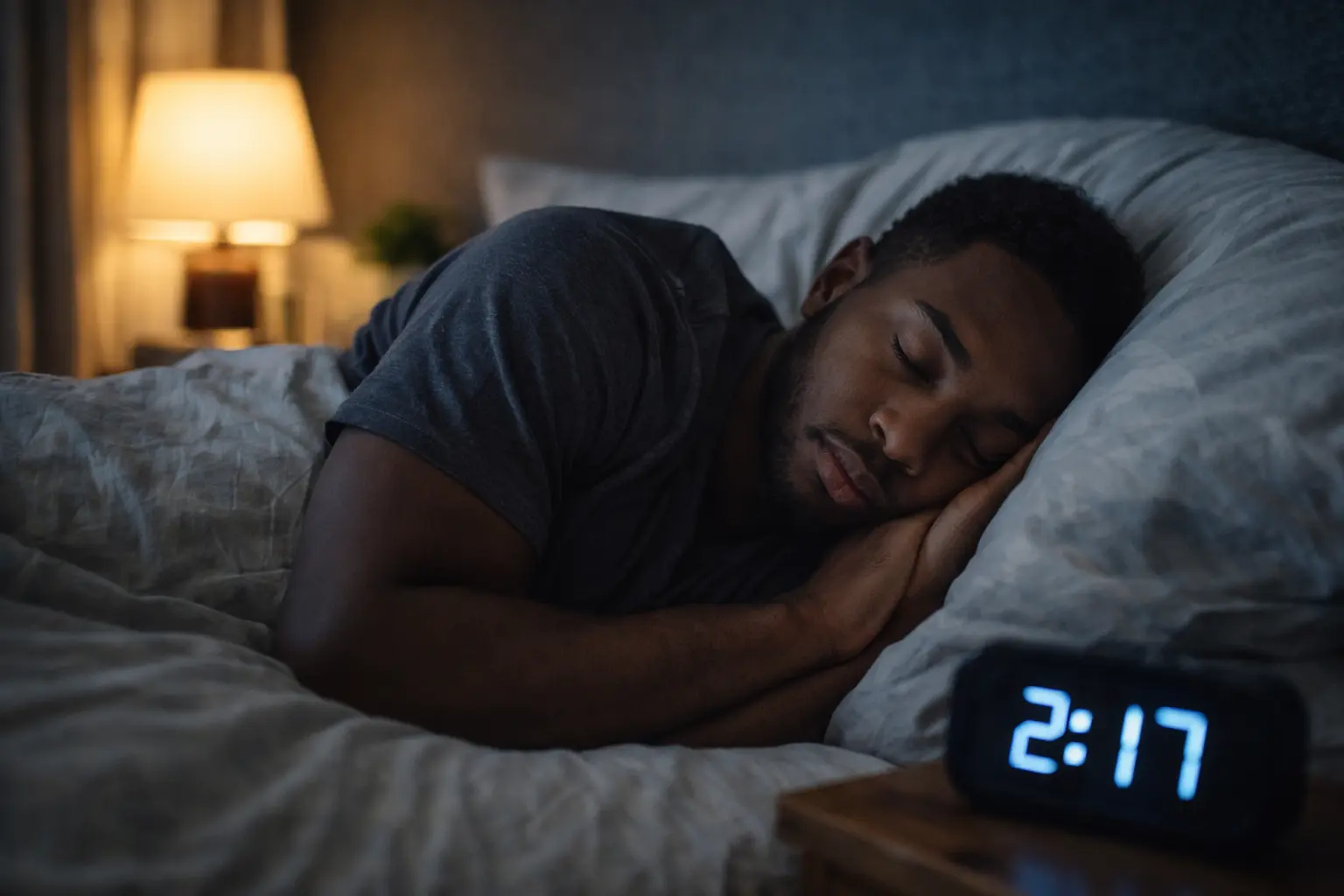
You’re exhausted, irritable, and can’t remember the last time you woke up actually refreshed, but you have no idea how much sleep needed or whether you’re even sleeping enough to function like a human being again.
Setting the stage: understand your optimal sleep time
Most women think 7 to 9 hours is a one-size-fits-all answer, but your body is more nuanced than that. Your age, hormonal cycle, activity level, and even stress load all shift how much rest you actually need. A 25-year-old athlete might thrive on 7 hours, while a 45-year-old managing perimenopause might need closer to 9. Start by tracking how you feel after different sleep durations for two weeks. Notice your energy at 2 PM, your mood by evening, and whether you’re reaching for extra coffee. If you’re waking up groggy after 8 hours but feel sharp after 7.5, that’s your signal. Your body speaks clearly if you listen. Consistency matters more than hitting a magic number, so once you identify your sweet spot, anchor your bedtime to protect it.
- Track your sleep duration and energy levels for two weeks to identify your personal optimal range.
- Consider your age, hormonal phase, and activity level when calculating your sleep needs.
- Maintain the same bedtime and wake time on weekdays and weekends to regulate your circadian rhythm.
Creating a sleep-inducing environment
Your bedroom is either working for you or against you, and most women don’t realize how much their sleep space sabotages their rest. Temperature matters more than you think: aim for 60 to 67 degrees Fahrenheit, because your core body temperature naturally drops when you sleep, and a cool room supports that process. Darkness is non-negotiable. Even a small LED from your alarm clock or phone charger can disrupt melatonin production. Invest in blackout curtains or a quality sleep mask. Sound is equally critical. If you live near traffic or have a partner who snores, white noise machines or earplugs are practical solutions, not luxuries. Your mattress and pillows deserve attention too. If you’re waking with neck pain or tossing all night, your pillow might be the culprit. Finally, keep screens out of the bedroom entirely. The blue light from phones and tablets suppresses melatonin for up to an hour after exposure, making it harder to fall asleep even if you feel tired.
📘 Fix your day in under 2 minuteschoose where to begin:
Unwinding for restful nights
Your body doesn’t switch from go-mode to sleep-mode instantly. You need a transition period, and that’s where a bedtime routine becomes your secret weapon. Start 30 to 60 minutes before sleep. Try deep breathing: inhale for 4 counts, hold for 4, exhale for 6. This activates your parasympathetic nervous system, the part that tells your body it’s safe to rest. A warm bath or shower works because the temperature drop afterward signals sleep time. Some women find journaling helpful, writing down worries or tomorrow’s tasks so their brain stops looping through them at 2 AM. Others prefer gentle stretching or meditation apps. The key is consistency. Your brain learns that these actions mean sleep is coming, so it starts preparing. Avoid the common mistake of using your routine to catch up on work or scroll social media. That keeps your mind active and defeats the purpose entirely.
Healthy habits for better sleep
Sleep doesn’t happen in isolation. Your daytime choices ripple into your nights. Exercise is powerful, but timing matters. A morning workout or afternoon walk boosts sleep quality, but vigorous exercise within 3 hours of bedtime can keep you wired. Caffeine is sneakier than most women realize. A 2 PM coffee has a 6-hour half-life, meaning half the caffeine is still in your system at 8 PM. If you struggle to fall asleep, cut off caffeine by 2 PM. Alcohol is another trap. Yes, it makes you drowsy initially, but it fragments your sleep and reduces deep, restorative stages. Heavy meals close to bedtime force your digestive system to work when it should be resting, so eat your main meal at lunch and keep dinner light. Hormonal fluctuations matter too. Many women sleep worse during their luteal phase due to progesterone changes. Knowing this helps you plan rest days or adjust expectations rather than blame yourself.
Troubleshooting sleep disturbances
If sleep problems persist despite your best efforts, detective work is necessary. Keep a sleep diary for one week. Note your bedtime, wake time, how many times you woke, and any factors like stress, caffeine, or exercise. Patterns emerge. Maybe you always sleep poorly after late meetings, or your cycle affects your sleep predictably. If you’re waking at 3 AM consistently, that might signal sleep apnea, anxiety, or hormonal shifts worth discussing with a doctor. Night sweats, racing thoughts, or physical restlessness are signals your body is sending. Don’t ignore them or assume they’re normal. A healthcare provider can rule out conditions like sleep apnea, thyroid issues, or anxiety disorders that masquerade as simple insomnia. If you’ve tried environmental changes and routines for 4 weeks without improvement, professional support is the next logical step, not a failure.
Optimizing your sleep starts with understanding how much sleep needed for your unique body, then building the environment and habits that support it. Create a cool, dark, quiet bedroom, establish a calming bedtime routine, protect your daytime choices from caffeine and late exercise, and track what works. When problems persist, seek professional guidance to rule out underlying conditions. Better sleep is achievable when you treat it as a priority, not a luxury.
How can I determine my ideal sleep duration?
Experiment with different sleep amounts for two weeks and track how you feel the next day. Notice your energy at 2 PM, your mood, and whether you need extra caffeine. Your ideal sleep duration is what leaves you feeling alert and stable without artificial stimulation. This varies by age, activity level, and hormonal phase, so your answer is personal, not universal.
What should I do if I have trouble falling asleep?
Start with a 30 to 60 minute bedtime routine using deep breathing, warm baths, or gentle stretching. Ensure your room is cool, dark, and quiet. Cut caffeine by 2 PM and avoid screens one hour before bed. If these changes don’t help after four weeks, keep a sleep diary to identify patterns and consult a healthcare provider to rule out sleep disorders or underlying health issues.
Others also read:
Disclaimer: This article is for informational purposes only and is not a substitute for professional medical advice. Always consult a healthcare professional for personal guidance.
This guide has been prepared and reviewed by the GlobalHealthBeacon editorial team and reflects current medical research as of 2026. It provides structured, evidence-based information to support informed health decisions.

