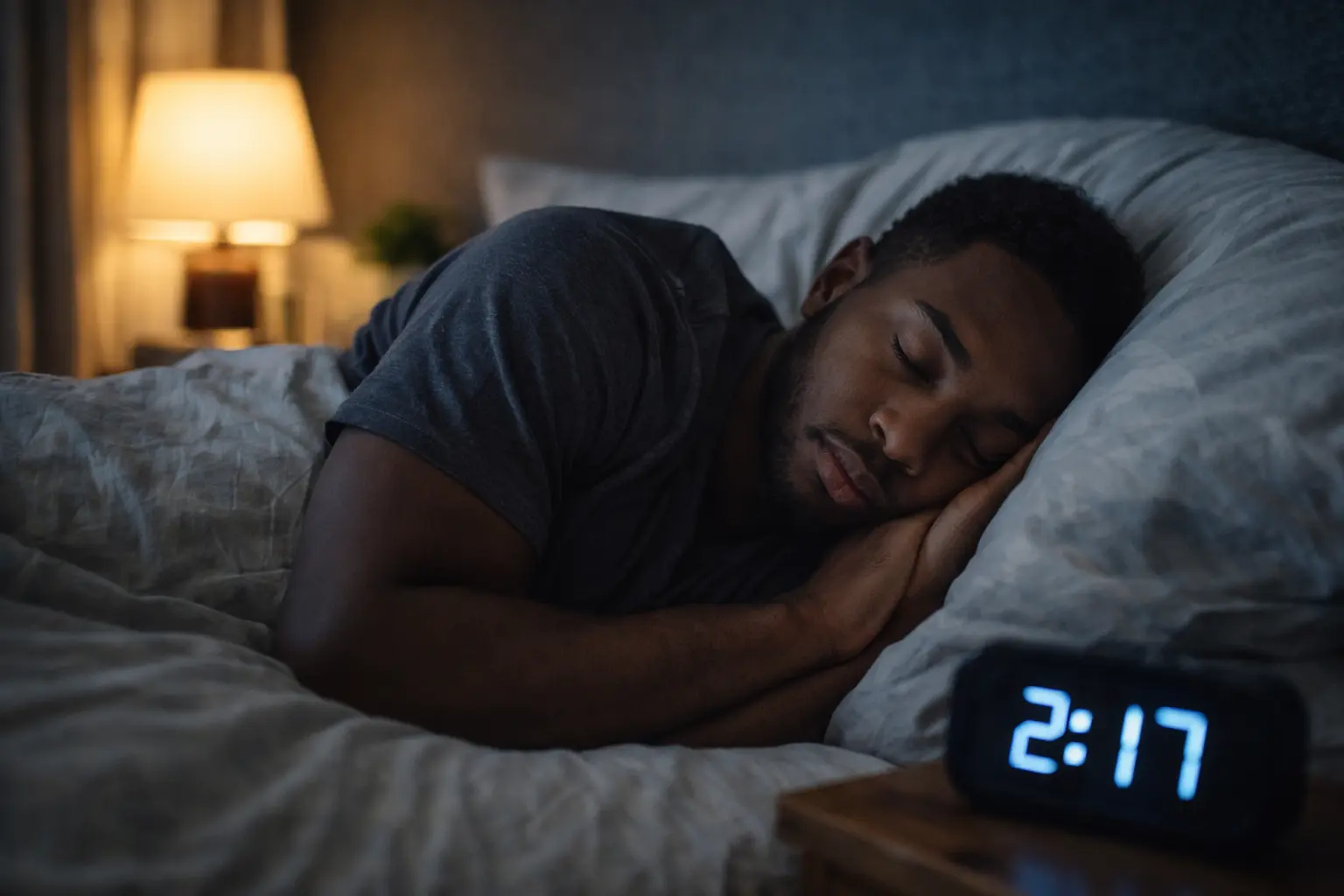
You’re lying awake at 3 AM again, wondering if this exhaustion is just part of getting older or if something’s actually wrong, and nobody seems to have a straight answer about how much sleep needed to feel human again.
Understanding senior sleep needs
As we age, our sleep patterns change in ways that can feel confusing and frustrating. Your body’s internal clock shifts, your sleep architecture transforms, and what worked at 40 simply doesn’t cut it at 70. Understanding how much sleep seniors need is crucial for health and well-being, but the answer isn’t one-size-fits-all. While individual requirements vary, most seniors benefit from 7 to 8 hours of quality sleep each night. Consider Margaret, a 68-year-old who thought she only needed 5 hours because she’d heard older adults need less sleep. After consulting her doctor and adjusting to a consistent 7-hour routine, her energy levels improved dramatically and her afternoon brain fog disappeared. The key insight here is that quality matters far more than simply hitting a number. Deep, restorative sleep where your body repairs itself and consolidates memories is what your aging brain truly craves.
- Quality is key: Deep, restorative sleep is more important than quantity.
- Consistent routine: Establish a regular bedtime and wake-up time to improve sleep quality.
- Avoid stimulants: Limit caffeine and alcohol intake, especially close to bedtime.
Senior sleep myths debunked
There are several myths surrounding senior sleep that can be misleading and actually harmful to your health decisions. One common myth is that older adults need less sleep, which is simply not true. Your brain doesn’t suddenly require fewer hours of rest just because you’ve accumulated more birthdays. Seniors still require adequate rest to function optimally, maintain cognitive sharpness, and support immune function. Another persistent myth is that it’s normal to feel tired all the time as you age. Many seniors accept constant fatigue as inevitable, but this belief can mask serious underlying issues like sleep apnea, thyroid problems, or depression that absolutely need addressing. Think about Robert, a 72-year-old who spent five years assuming his daytime exhaustion was just aging, until a sleep study revealed severe sleep apnea. Once treated, he felt like himself again. The reality is that persistent tiredness signals something needs attention, not acceptance.
📘 Fix your day in under 2 minuteschoose where to begin:
Creating a sleep-conducive environment
Your bedroom is essentially your sleep laboratory, and optimizing it can dramatically improve your rest quality. Start by making your room cool, ideally between 60 and 67 degrees Fahrenheit, as this temperature range aligns with your body’s natural sleep cycle. Darkness is equally critical because light suppresses melatonin production, the hormone that tells your body it’s time to sleep. Install blackout curtains or use an eye mask if outside light filters in. Sound matters too. If you live near traffic or have a partner who snores, consider white noise machines that mask disruptive sounds, or quality earplugs designed for comfort during extended wear. Your mattress and pillows deserve serious investment since you spend roughly one-third of your life on them. An older, sagging mattress can cause pain and poor spinal alignment, while supportive pillows prevent neck strain. Many seniors find that upgrading their sleep setup yields better results than any medication.
Healthy sleep habits for seniors
Incorporating healthy sleep habits into your daily routine can transform your overall sleep quality more effectively than you might expect. Avoid napping too close to bedtime, as it can disrupt your nighttime rest and create a frustrating cycle where you’re tired at night but can’t sleep. If you must nap, keep it to 20 to 30 minutes in early afternoon. Engage in relaxation techniques such as meditation, progressive muscle relaxation, or gentle yoga to unwind before bed. Even 10 minutes of deep breathing can calm your nervous system. Limit screen time at least one hour before sleep, as exposure to blue light from phones, tablets, and computers interferes with your body’s natural sleep-wake cycle by suppressing melatonin. Consider a warm bath with Epsom salts, reading a physical book, or listening to calming music instead. Exercise during the day also helps tremendously, but avoid vigorous activity within three hours of bedtime as it can be too stimulating.
Seeking professional help
If you’re struggling with sleep issues despite implementing these guidelines consistently, don’t hesitate to seek help from a healthcare provider. Sleep disorders are remarkably common among seniors, affecting roughly 50 percent of people over 65, yet many suffer in silence thinking nothing can be done. Conditions like sleep apnea, restless leg syndrome, insomnia, and REM sleep behavior disorder can have a significant impact on your quality of life, cognitive function, and even your risk of falls and accidents. Your doctor can recommend further evaluation through a sleep study if needed, or discuss treatment options ranging from behavioral therapy to medical interventions. Some seniors benefit from cognitive behavioral therapy for insomnia, which addresses the anxiety and thought patterns that keep them awake. Others find relief through CPAP machines, medications, or lifestyle adjustments. The important point is that professional evaluation can identify what’s actually happening with your sleep rather than leaving you guessing.
Understanding and meeting senior sleep guidelines is essential for optimal health and well-being. Quality over quantity is key, with most seniors benefiting from 7 to 8 hours of restful sleep each night. Creating a conducive sleep environment, adopting healthy sleep habits, and seeking professional help when needed are crucial steps in maintaining good sleep hygiene.
Is it normal for seniors to have trouble sleeping?
While occasional sleep disturbances are common as we age, persistent sleep problems should not be considered normal. Seniors experiencing regular difficulty sleeping should consult a healthcare provider for further evaluation.
Can lack of sleep affect senior’s health?
Yes, inadequate sleep can have serious consequences for seniors, including increased risk of chronic conditions such as heart disease, diabetes, and cognitive decline. Prioritizing quality sleep is crucial for maintaining overall health and well-being.
Others also read:
Disclaimer: This article is for informational purposes only and is not a substitute for professional medical advice. Always consult a healthcare professional for personal guidance.
This guide has been prepared and reviewed by the GlobalHealthBeacon editorial team and reflects current medical research as of 2026. It provides structured, evidence-based information to support informed health decisions.

