Your wounds won’t heal, your energy is tanked, and nothing seems to work anymore, so here’s what you need to know about hyperbaric oxygen therapy explained and why it might be the breakthrough your body has been waiting for.
What is hyperbaric oxygen therapy?
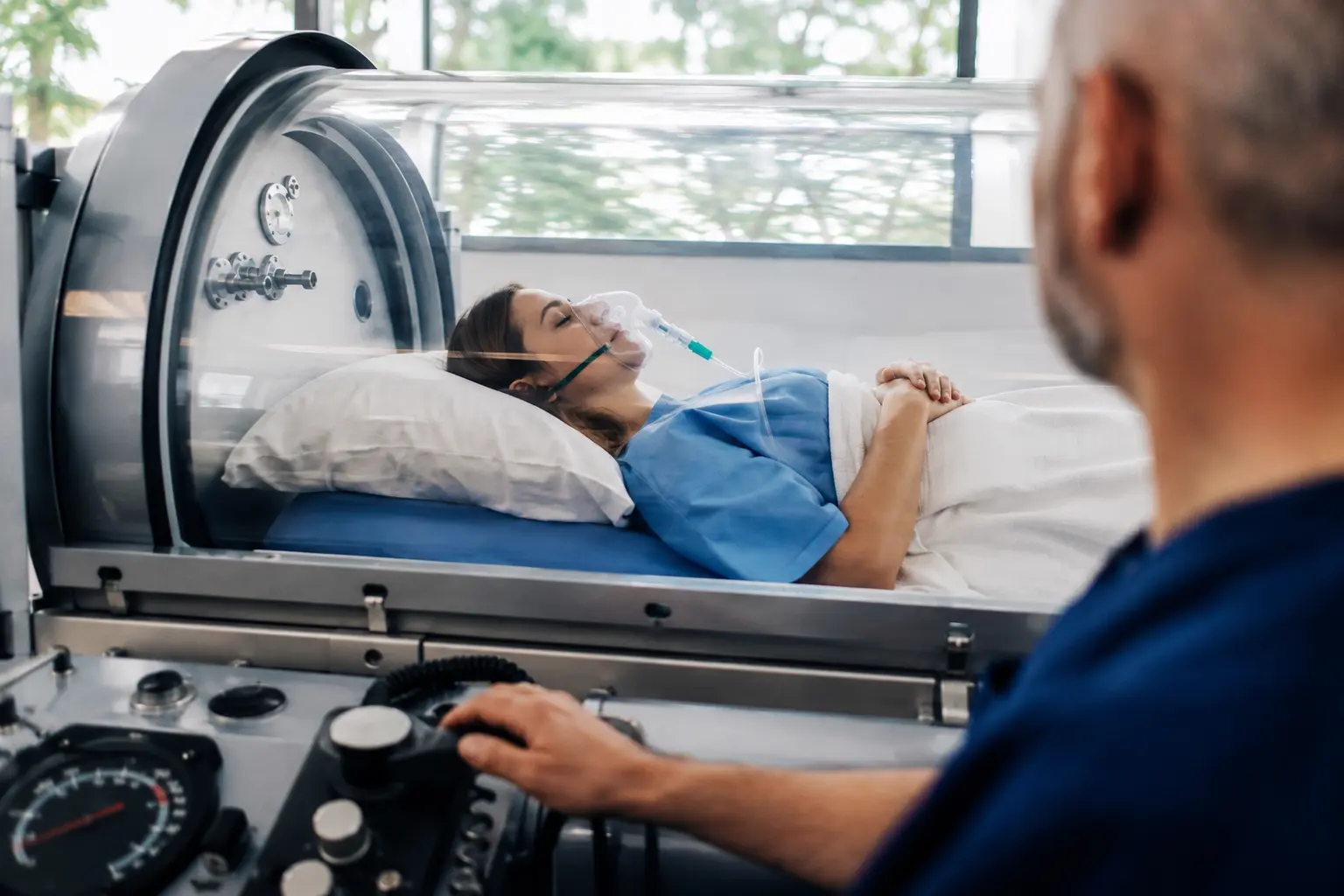
Hyperbaric oxygen therapy is a medical treatment where you breathe pure oxygen in a pressurized chamber, typically at two to three times normal atmospheric pressure. Think of it like this: your blood normally carries oxygen to your tissues, but in a pressurized environment, that oxygen dissolves directly into your plasma and other body fluids, reaching areas that regular circulation might miss. For women dealing with slow-healing wounds, diabetic complications, or post-surgical recovery, this enhanced oxygen delivery becomes a game-changer. The chamber itself looks like a transparent tube or small room, and you simply lie down while the pressure gradually increases. Sessions last about 90 minutes, and most women report feeling relaxed during treatment. The science is straightforward but powerful: more oxygen in your bloodstream means your cells get what they need to repair themselves faster and more effectively.
- Enhances tissue repair and regeneration
- Boosts the body’s immune response
- Effective for treating conditions like non-healing wounds and carbon monoxide poisoning
How does hyperbaric oxygen therapy work?
When you enter a hyperbaric chamber, the air pressure increases gradually, forcing oxygen molecules to dissolve into your blood plasma at much higher concentrations than normal breathing allows. Your body then uses this oxygen-rich blood to trigger a cascade of healing responses. Growth factors activate, stem cells mobilize, and your immune system gets a significant boost to fight infection and inflammation. Imagine your body as a construction site that’s been understaffed and undersupplied for months; hyperbaric therapy is like suddenly bringing in a full crew with all the materials needed. For women recovering from surgery, managing chronic wounds, or dealing with radiation side effects, this mechanism directly addresses the root problem: insufficient oxygen reaching damaged tissues. The pressurized environment also improves blood flow to areas with compromised circulation, which is especially important for diabetic women whose blood vessels may not deliver oxygen efficiently. Each session compounds the benefits, with your body continuing to produce new blood vessels and strengthen existing ones long after treatment ends.
📘 Fix your day in under 2 minuteschoose where to begin:
Conditions treated with hyperbaric oxygen therapy
Hyperbaric oxygen therapy has FDA approval for treating specific conditions, and many women benefit from it for diabetic foot ulcers that resist conventional wound care, radiation injuries from cancer treatment, and decompression sickness from diving accidents. Beyond these approved uses, women also seek this therapy for post-operative healing after cosmetic or reconstructive surgery, chronic infections that antibiotics alone cannot resolve, and even some autoimmune-related wound complications. Consider a woman who underwent breast reconstruction and her incisions are healing poorly; hyperbaric therapy can accelerate collagen formation and reduce infection risk. Another scenario involves a diabetic woman whose foot ulcer has persisted for months despite careful management and topical treatments. The enhanced oxygen delivery from hyperbaric chambers addresses the fundamental issue: her tissues simply weren’t getting enough oxygen to mount an effective healing response. Your healthcare provider will determine if your specific condition qualifies, as insurance coverage and medical necessity vary. The key is that this therapy works best when conventional treatments have plateaued or when your body needs an extra push to overcome significant healing challenges.
What to expect during a hyperbaric oxygen therapy session
Arriving for your first session, you’ll check in, change into comfortable clothing, and meet the technician who will explain the entire process. You enter the chamber, lie on a comfortable bed, and the door seals behind you. As pressure builds, you’ll feel sensations similar to descending in an airplane: your ears may pop, and you might notice slight pressure changes in your sinuses. Most women describe this as manageable and even familiar if they’ve flown before. The chamber is transparent, so you’re never in complete darkness, and you can communicate with staff through an intercom system. During the 90-minute session, you simply relax, breathe normally, and let the oxygen do its work. Some women use this time to listen to music, meditate, or catch up on sleep. As the session ends, pressure decreases gradually, and you’ll feel that same ear-popping sensation in reverse. You’ll exit feeling normal, with no downtime required. Most treatment protocols involve multiple sessions over weeks or months, so you’ll develop a routine and may notice gradual improvements in wound appearance, energy levels, or pain reduction as you progress through your treatment plan.
Benefits and considerations of hyperbaric oxygen therapy
The benefits of hyperbaric oxygen therapy extend beyond just faster healing. Women report reduced swelling, decreased pain in affected areas, improved immune function, and better overall wound appearance. For those with chronic conditions, the therapy often means fewer infections, less need for additional surgeries, and a genuine sense of progress after months of stalled recovery. However, this isn’t a magic cure, and it works best as part of a comprehensive treatment plan that includes proper wound care, nutrition, and management of underlying conditions like diabetes. Before starting therapy, discuss your full medical history with your healthcare provider, including any lung conditions, medications, or previous ear surgeries. Hyperbaric therapy is generally safe, but it’s not suitable for everyone, and your provider needs to ensure it’s appropriate for your specific situation. Consider also the practical aspects: treatment requires multiple sessions over weeks, so you’ll need reliable transportation and flexibility in your schedule. Some insurance plans cover it fully, others partially, and some don’t cover it at all, so verify your coverage beforehand. The investment of time and money is significant, but for many women struggling with non-healing wounds or delayed recovery, the results justify the commitment and effort.
Hyperbaric oxygen therapy is a proven medical treatment that enhances your body’s natural healing capacity by delivering oxygen-rich blood to damaged tissues. For women dealing with non-healing wounds, post-surgical complications, or chronic conditions, this therapy offers a concrete path forward when conventional treatments have stalled. Understanding how it works, what conditions it treats, and what to expect during sessions empowers you to make an informed decision with your healthcare provider.
What are the potential side effects of hyperbaric oxygen therapy?
While generally safe, some people may experience ear discomfort, temporary nearsightedness, or mild claustrophobia during hyperbaric oxygen therapy sessions. These side effects are usually mild and temporary.
How many hyperbaric oxygen therapy sessions are typically needed?
The number of sessions required varies depending on the condition being treated. Some conditions may respond well to a few sessions, while others may necessitate ongoing therapy over an extended period.
Others also read:
Disclaimer: This article is for informational purposes only and is not a substitute for professional medical advice. Always consult a healthcare professional for personal guidance.
This guide has been prepared and reviewed by the GlobalHealthBeacon editorial team and reflects current medical research as of 2026. It provides structured, evidence-based information to support informed health decisions.
