Chronic wounds that won’t heal, infections that keep coming back, and that nagging feeling that your body just isn’t recovering like it used to – if you’re tired of watching your health plateau, hyperbaric oxygen therapy explained might be the missing piece you’ve been searching for.
Understanding hyperbaric oxygen therapy
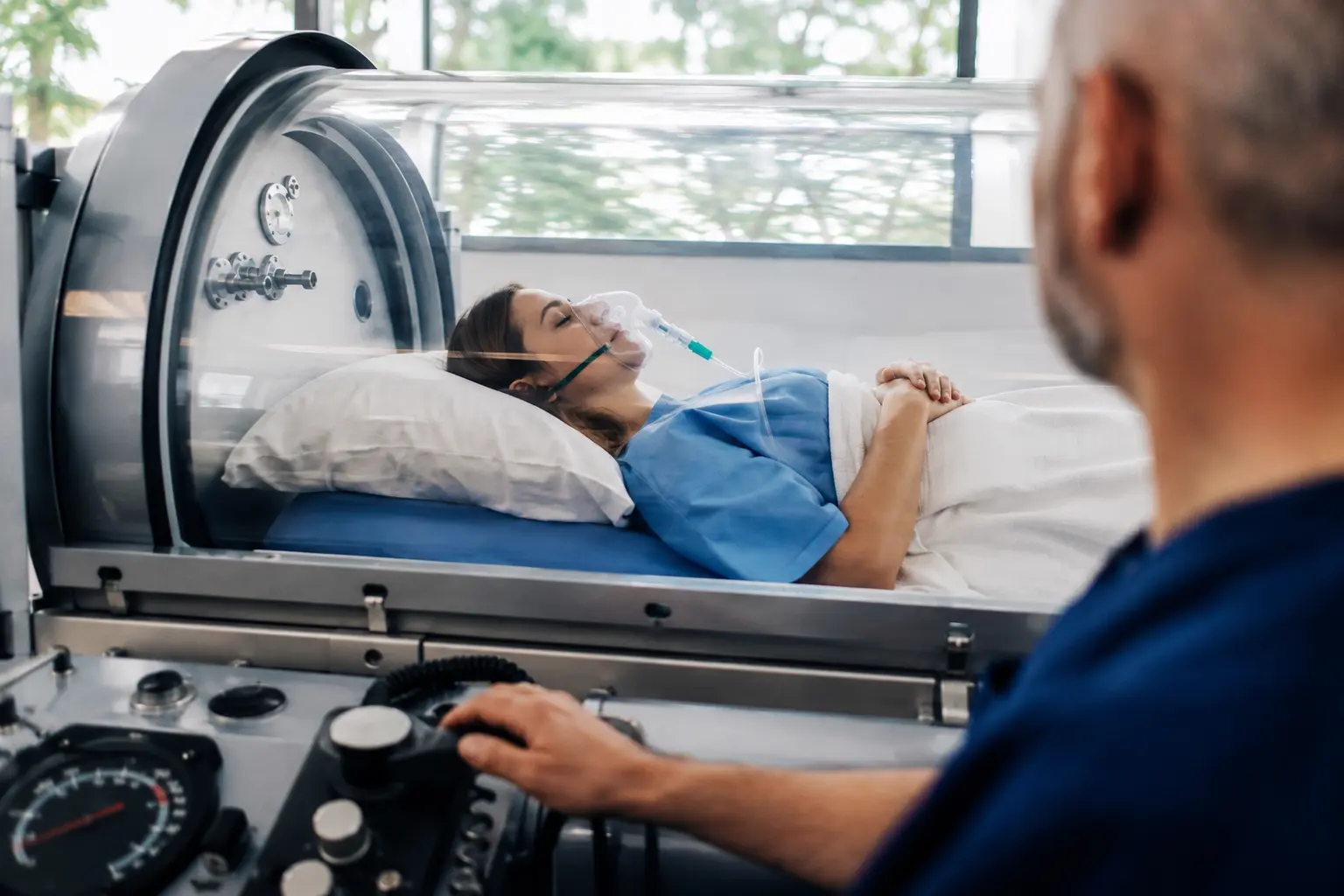
Hyperbaric oxygen therapy is a medical treatment where you enter a pressurized chamber and breathe pure oxygen at levels higher than what you experience in normal air. Think of it like this: imagine your blood cells are tiny delivery trucks, and oxygen is their cargo. In regular conditions, these trucks can only carry so much. But in a pressurized environment with pure oxygen, those trucks suddenly have room for much more cargo, allowing oxygen to reach deeper into tissues that might be starved for it. The process works because increased atmospheric pressure forces oxygen to dissolve directly into your bloodstream and body fluids, not just into your red blood cells. For seniors, this means tissues that have been sluggish or struggling to heal can get a genuine oxygen boost. The therapy is non-invasive, painless, and has been used for decades to treat everything from diabetic ulcers to radiation injuries. You simply relax in the chamber while the equipment does the work.
- Improves oxygen supply to tissues and reaches areas traditional circulation might miss
- Accelerates wound healing by promoting new blood vessel formation
- Reduces inflammation in the body and supports immune function
Benefits of hyperbaric oxygen therapy
The real-world benefits of hyperbaric oxygen therapy extend beyond just feeling better. Consider a senior with a stubborn foot ulcer that hasn’t responded to standard care for months. After a course of hyperbaric sessions, many patients see genuine improvement in wound closure, reduced pain, and restored mobility. The therapy works by enhancing cell function at a fundamental level. Your body’s cells need oxygen to produce energy and repair themselves, and when tissues are oxygen-deprived, healing stalls. By flooding those tissues with oxygen under pressure, you’re essentially giving your cells the fuel they need to do their job properly. Beyond wound healing, patients report reduced swelling in affected limbs, improved energy levels, and better overall well-being. Some seniors notice clearer thinking and reduced brain fog, likely because the brain is incredibly oxygen-hungry. The anti-inflammatory effects can be particularly helpful for those managing chronic conditions. Many people describe the experience as a reset button for their body’s healing capacity.
📘 Fix your day in under 2 minuteschoose where to begin:
What to expect during hyperbaric oxygen therapy sessions
Your first session might feel a bit unusual, but most seniors adapt quickly. You’ll enter a chamber that looks somewhat like a large white tube or a small room, depending on the facility. As the pressure increases, you’ll feel a sensation in your ears similar to what happens when you’re on an airplane during takeoff. This is normal and manageable. Your medical team will teach you how to equalize the pressure by gently holding your nose and blowing, just like you would on a plane. The actual breathing of pure oxygen is completely passive – you simply relax and let it happen. Most sessions last about 90 minutes, which gives you plenty of time to read a book, watch television, listen to a podcast, or simply rest. The chamber stays comfortable, and you can communicate with staff through an intercom system if you need anything. Many seniors find the quiet, pressure-controlled environment surprisingly relaxing. After your session ends, the pressure gradually decreases back to normal. You might feel slightly tired afterward, which is your body’s natural response to the healing work happening at the cellular level.
Potential risks of hyperbaric oxygen therapy
While hyperbaric oxygen therapy is generally safe, especially when supervised by qualified medical professionals, it’s important to understand possible side effects so you can recognize them if they occur. Temporary nearsightedness can happen because increased oxygen changes the shape of your eye lens slightly, but this typically reverses after therapy ends. Middle ear injuries are rare but possible if you don’t equalize pressure properly during sessions, which is why your medical team will teach you the technique and monitor you carefully. Oxygen toxicity is extremely uncommon at the pressures used for therapeutic purposes, but it’s something your doctor will watch for. Some seniors experience mild sinus discomfort or temporary joint aches. Claustrophobia can be a concern for some people, though most facilities offer support and many patients find the experience less intimidating than expected. The key is discussing your complete medical history with your healthcare provider before starting, especially if you have lung conditions, diabetes complications, or take certain medications. Being transparent about your health helps your team prevent complications and customize your treatment safely.
Navigating hyperbaric oxygen therapy: tips for seniors
Success with hyperbaric oxygen therapy depends heavily on your approach and consistency. First, follow your healthcare provider’s treatment schedule religiously. Missing sessions disrupts the healing momentum your body has built. Second, learn and practice ear equalization before your first session so you feel confident and in control. Third, stay hydrated before and after sessions, as oxygen therapy can be dehydrating and hydration supports healing. Avoid caffeine and alcohol on treatment days, as these can interfere with how your body responds. Wear comfortable, loose clothing to sessions so you can relax fully. Communicate openly with your medical team about any discomfort, anxiety, or unusual sensations. Don’t hesitate to ask questions or voice concerns. Many seniors find it helpful to bring a comfort item like a favorite book or music to make sessions feel more personal. Keep a simple journal tracking how you feel after each session, noting energy levels, pain changes, or mood shifts. This helps you recognize patterns and stay motivated. Remember that healing isn’t always linear, but consistency and patience typically yield results over weeks and months.
Hyperbaric oxygen therapy enhances oxygen delivery to tissues, aids in wound healing, and reduces inflammation in the body. While generally safe, it’s essential to be aware of potential risks and consult with a healthcare provider. Seniors can benefit from this therapy with proper guidance and adherence to recommendations.
Is hyperbaric oxygen therapy safe for seniors?
Hyperbaric oxygen therapy is considered safe for seniors when conducted under the supervision of a healthcare provider. It is essential to discuss any underlying conditions or concerns before starting therapy.
How many sessions of hyperbaric oxygen therapy are typically required?
The number of hyperbaric oxygen therapy sessions needed varies depending on the individual and the condition being treated. Your healthcare provider will create a personalized treatment plan tailored to your specific needs.
Others also read:
Disclaimer: This article is for informational purposes only and is not a substitute for professional medical advice. Always consult a healthcare professional for personal guidance.
This guide has been prepared and reviewed by the GlobalHealthBeacon editorial team and reflects current medical research as of 2026. It provides structured, evidence-based information to support informed health decisions.
