You’ve heard the hype about hyperbaric oxygen therapy explained everywhere from fitness forums to wellness blogs, and honestly, it feels like everyone’s either swearing by it or calling it snake oil, so let’s cut through the noise and actually look at what the science really says.
Understanding hyperbaric oxygen therapy
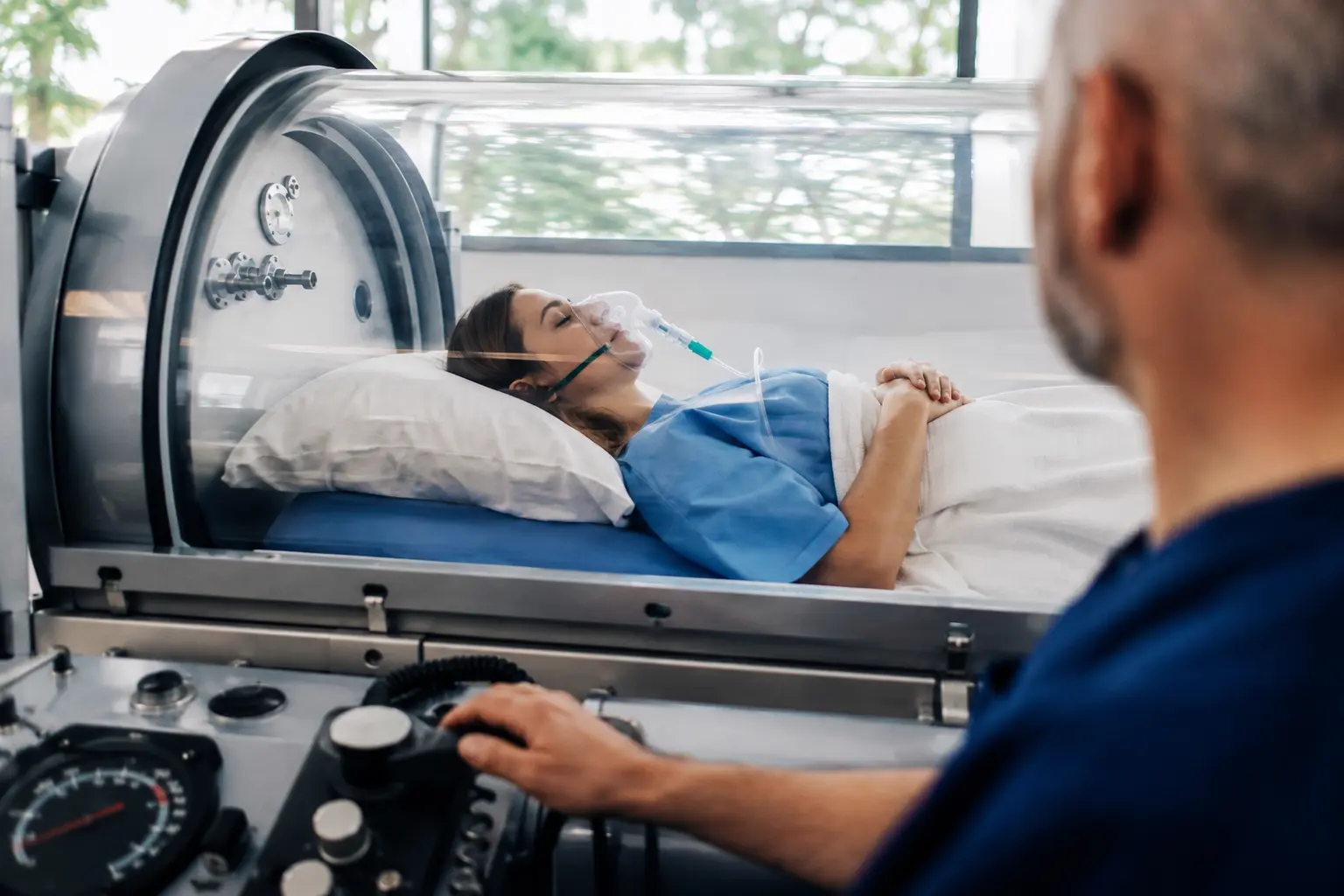
Hyperbaric oxygen therapy, or HBOT, sounds more complex than it actually is. Imagine stepping into a pressurized chamber or tube where the air pressure is two to three times higher than what you experience at sea level. Inside this controlled environment, you breathe pure oxygen instead of the regular air mix we inhale daily. Your lungs absorb significantly more oxygen molecules under this increased pressure, which then dissolves into your bloodstream at higher concentrations. Think of it like filling a sponge with water versus trying to squeeze more water into an already saturated one. The pressure is the key factor that makes the difference. This oxygen-rich blood circulates throughout your body, reaching tissues that might be starved of oxygen due to injury, infection, or chronic conditions. A typical HBOT session lasts between 60 to 120 minutes, and patients usually undergo multiple sessions spread across weeks or months depending on their condition.
Mechanism of action
Here’s where the biology gets interesting. When you’re in a hyperbaric chamber breathing pure oxygen under pressure, your lungs can extract and absorb far more oxygen than they would at normal atmospheric pressure. This isn’t just a small increase either. Under normal conditions, your blood carries oxygen bound to hemoglobin molecules, but there’s a limit to how much can attach. In a pressurized environment breathing pure oxygen, additional oxygen dissolves directly into your blood plasma, bypassing the hemoglobin limitation. This oxygen-rich blood then travels to tissues throughout your body, triggering a cascade of biological responses. The increased oxygen availability stimulates your body to release growth factors and mobilize stem cells, which are essentially your body’s repair crew. These cells migrate to damaged areas, reduce inflammation, and promote the formation of new blood vessels in a process called angiogenesis. Additionally, the higher oxygen levels create an environment hostile to anaerobic bacteria, making HBOT particularly useful for certain infections that thrive in low-oxygen conditions.
Scientific evidence supporting HBOT
The research landscape for HBOT is nuanced, and that’s important to understand. Strong scientific evidence supports HBOT for specific conditions. Decompression sickness, also called the bends, which affects divers, shows clear improvement with HBOT. Carbon monoxide poisoning is another area where HBOT demonstrates proven effectiveness, helping to displace carbon monoxide from hemoglobin and restore oxygen delivery. Non-healing wounds, particularly diabetic foot ulcers and chronic wounds that haven’t responded to standard care, show measurable improvement in multiple clinical trials. The mechanism here is straightforward: increased oxygen promotes tissue healing and fights infection. Beyond these established uses, research is exploring HBOT’s potential for traumatic brain injury, where preliminary studies suggest it may reduce inflammation and improve cognitive outcomes. Chronic fatigue syndrome research is ongoing but shows mixed results, suggesting HBOT might help some patients while having minimal effect on others. The key takeaway is that HBOT isn’t a universal cure-all, but for specific conditions with adequate research backing, it offers genuine therapeutic potential backed by peer-reviewed studies.
- Consult with a healthcare professional to determine if HBOT is a suitable treatment option for your specific condition, as it’s not appropriate for everyone and certain medical situations may contraindicate its use.
- Ensure the hyperbaric facility you choose is accredited by recognized bodies like the Undersea and Hyperbaric Medical Society and follows strict safety protocols, including regular equipment maintenance and trained staff.
- Follow the recommended treatment plan provided by your healthcare provider, which typically includes a specific number of sessions scheduled at regular intervals, as consistency matters for achieving therapeutic benefits.
🔬 Science-backed benefits in 2 minuteschoose where to begin:
Potential risks and considerations
Like any medical intervention, HBOT comes with potential side effects that deserve serious consideration. Temporary vision changes are relatively common, with some patients experiencing myopia or nearsightedness during treatment courses, though this typically reverses after therapy concludes. Middle ear injuries occur when pressure changes inside the chamber aren’t equalized properly in your ears, potentially causing discomfort or temporary hearing issues. Oxygen toxicity, while rare in properly managed HBOT sessions, can cause symptoms ranging from nausea and dizziness to more serious neurological effects if oxygen exposure exceeds safe limits. Claustrophobia affects some patients in enclosed chambers, making the experience psychologically challenging. Pre-existing conditions matter too. People with uncontrolled fever, certain medications, or history of lung collapse should discuss these thoroughly with their healthcare provider. The good news is that serious complications are uncommon when HBOT is administered by qualified professionals in accredited facilities following established protocols. Understanding these risks helps you make an informed decision rather than approaching HBOT with either blind enthusiasm or unfounded fear.
Future research and areas of exploration
The scientific community continues investigating HBOT’s potential beyond its established applications, and this ongoing research is genuinely exciting. Autism spectrum disorder studies are exploring whether HBOT might improve social communication and behavioral symptoms, though results remain preliminary and inconsistent. Stroke recovery research examines whether HBOT can enhance neuroplasticity and help patients regain lost function when combined with rehabilitation therapy. Multiple sclerosis investigations focus on whether increased oxygen availability might slow disease progression or improve symptoms, with some small studies showing promise but larger trials still needed. Cancer-related fatigue is another frontier, with researchers exploring whether HBOT might help cancer survivors regain energy and quality of life. Long COVID research is particularly relevant to younger adults, investigating whether HBOT addresses the persistent symptoms some people experience after COVID-19 infection. These emerging areas represent the frontier of HBOT research, and while they show potential, they require more rigorous, large-scale clinical trials before definitive conclusions can be drawn. This is where healthy skepticism meets scientific optimism.
Conclusion on HBOT research findings
The evidence tells a clear story if you’re willing to listen carefully. Hyperbaric oxygen therapy is a legitimate medical tool with proven effectiveness for specific conditions like decompression sickness, carbon monoxide poisoning, and non-healing wounds. The biological mechanisms are well understood, and the research supporting these applications is solid. For young adults considering HBOT, the critical question isn’t whether it works universally, but whether it applies to your particular situation. The hype around HBOT often oversells its benefits, suggesting it’s a cure-all for everything from athletic recovery to chronic fatigue, but the actual science is more measured and specific. That doesn’t make HBOT less valuable. It makes it more honest. Further research into emerging applications will likely expand HBOT’s role in medicine, but until that evidence accumulates, it’s wise to approach new claims with thoughtful skepticism while respecting what we already know works.
Hyperbaric oxygen therapy is a medically established treatment with strong research support for specific conditions including non-healing wounds, carbon monoxide poisoning, and decompression sickness. While HBOT shows promise in emerging areas like stroke recovery and autism research, young adults should understand that its effectiveness varies by condition and requires professional medical guidance to determine suitability.
Is hyperbaric oxygen therapy safe for young adults?
HBOT is generally safe for young adults when administered in accredited facilities by trained professionals. However, safety depends on individual health factors. Temporary side effects like vision changes or ear discomfort can occur, and certain medical conditions or medications may contraindicate treatment. Consulting with a healthcare provider about your specific health history is essential before beginning therapy.
How many HBOT sessions are typically needed for optimal results?
Session requirements vary significantly depending on the condition being treated. Decompression sickness might require 10-40 sessions, while non-healing wounds could need 20-40 sessions or more. Your healthcare provider will customize a treatment plan based on your specific diagnosis, the severity of your condition, and how your body responds to initial sessions. Some conditions show improvement quickly while others require longer treatment courses.
Others also read:
Disclaimer: This article is for informational purposes only and is not a substitute for professional medical advice. Always consult a healthcare professional for personal guidance.
This article has been prepared and reviewed by the GlobalHealthBeacon editorial team and is based on current medical research and published scientific literature available in 2026. It provides structured, evidence-based information to support informed health decisions.
← Back to the Main page on: hyperbaric oxygen therapy explained
