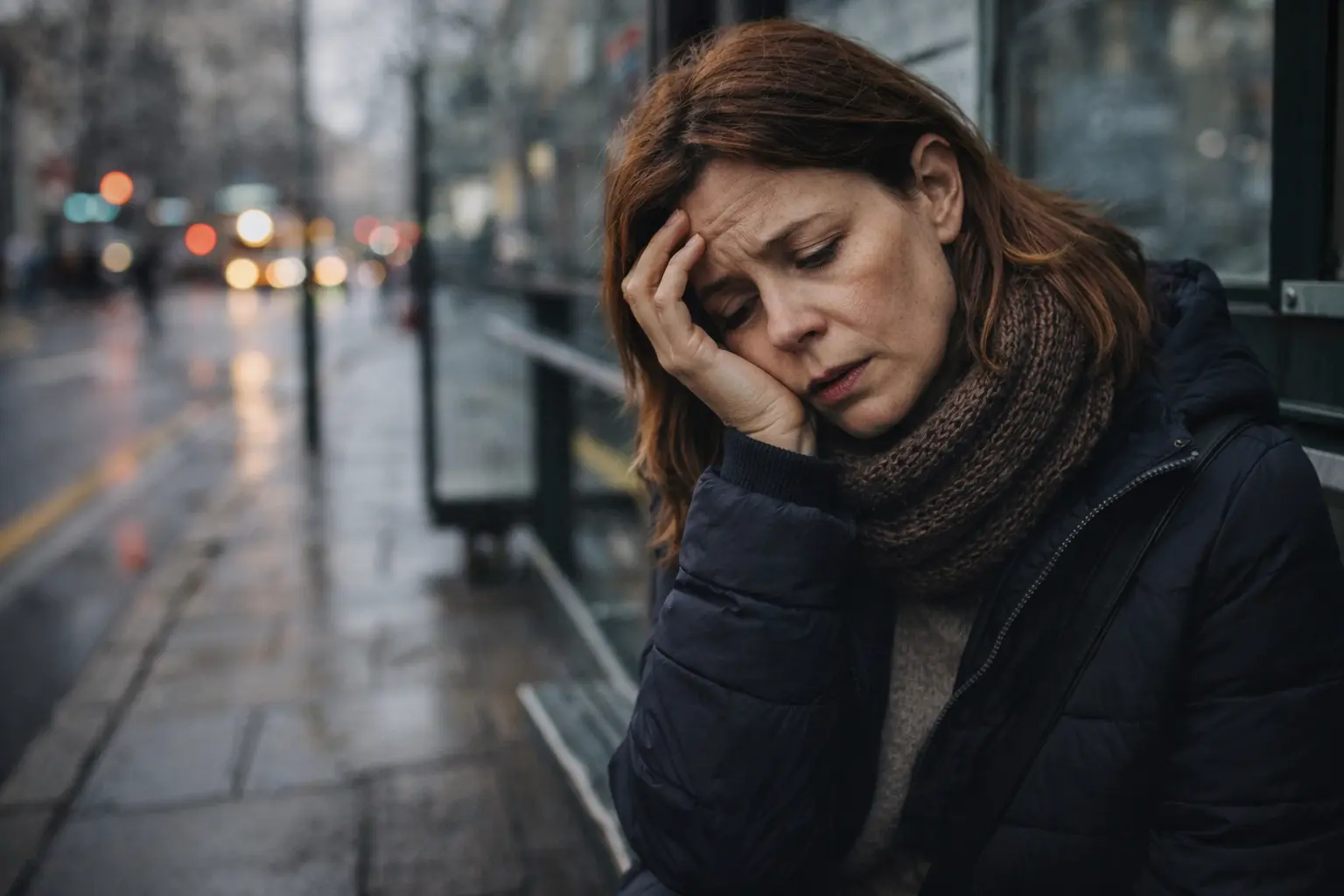
You wake up exhausted even after nine hours of sleep, your clothes feel tighter, and you’re shivering in rooms where everyone else is comfortable – these are the real hypothyroidism symptoms that millions of seniors experience, and understanding what’s actually happening inside your body can finally make sense of it all.
Root causes of hypothyroidism
Hypothyroidism develops when the thyroid gland, a butterfly-shaped organ in your neck, fails to produce adequate amounts of thyroid hormones. The most common culprit in seniors is Hashimoto’s thyroiditis, an autoimmune condition where the body’s immune system mistakenly attacks thyroid tissue. Picture it like friendly fire: your immune system, designed to protect you, instead damages the very gland that regulates your metabolism. Beyond autoimmune disease, iodine deficiency can impair hormone production, though this is less common in developed countries due to iodized salt. Surgical removal of the thyroid for cancer or other conditions also results in hypothyroidism. Additionally, certain medications like lithium or amiodarone can interfere with thyroid function. Age itself plays a role, as thyroid hormone production naturally declines with time. Understanding these root causes helps explain why your body feels different and why targeted treatment becomes essential for restoring balance.
Symptoms of hypothyroidism
Hypothyroidism symptoms develop insidiously, often so gradually that seniors attribute them to normal aging rather than a treatable condition. Fatigue ranks as the most reported symptom, a bone-deep tiredness that coffee cannot fix. Weight gain occurs despite unchanged eating habits because your slowed metabolism burns fewer calories. Cold intolerance becomes noticeable when you need a sweater in warm rooms or feel chilled after a cool shower. Hair loss, including eyebrow thinning, reflects the hormone’s role in hair growth cycles. Cognitive changes like brain fog or memory difficulties can be particularly distressing. Depression and mood changes accompany the hormonal shift. Other symptoms include dry skin, constipation, muscle aches, and a slower heart rate. The severity varies dramatically between individuals. Some seniors experience mild fatigue while others face debilitating exhaustion. Symptoms may emerge over weeks or months, making it easy to dismiss them as age-related decline rather than recognizing them as signals your thyroid needs attention.
Diagnosis and treatment
Diagnosing hypothyroidism requires blood work that measures thyroid-stimulating hormone (TSH) and free thyroxine (T4) levels. Your doctor typically orders these tests when you report fatigue, weight gain, or other suggestive symptoms. TSH acts as a messenger from your pituitary gland, instructing the thyroid to produce hormones. When thyroid output drops, TSH rises in response, making it a sensitive indicator. The diagnostic process is straightforward: a simple blood draw, usually in the morning when TSH levels peak. Treatment involves thyroid hormone replacement therapy, most commonly levothyroxine, a synthetic form of T4. Your doctor starts with a specific dose based on your weight and age, then adjusts it based on follow-up blood tests typically done six to eight weeks later. Finding your optimal dose resembles fine-tuning an instrument. Too little leaves symptoms unresolved. Too much can cause anxiety, tremors, or heart palpitations. Most seniors stabilize on a consistent dose they take once daily, preferably on an empty stomach for better absorption. Regular monitoring ensures your medication remains effective as your body changes.
- Schedule an appointment with your healthcare provider and describe your symptoms in detail, noting when they started and how they affect daily activities.
- Request thyroid function blood tests including TSH and free T4 levels to establish a baseline diagnosis.
- If hypothyroidism is confirmed, begin prescribed levothyroxine therapy at the recommended dose, taking it consistently each morning.
- Return for follow-up blood tests six to eight weeks after starting or adjusting medication to assess hormone levels.
- Work with your doctor to fine-tune your dose based on test results and symptom improvement, repeating this cycle until optimal levels are achieved.
- Schedule annual thyroid function tests once stabilized to monitor ongoing management and detect any changes in your condition.
🔬 Science-backed benefits in 2 minuteschoose where to begin:
Impact on seniors
Seniors face unique challenges with hypothyroidism that younger adults rarely encounter. Age-related changes in hormone production mean the thyroid naturally becomes less efficient over time, increasing vulnerability to this condition. The prevalence of hypothyroidism rises significantly after age 60, particularly in women. Complicating matters, seniors often take multiple medications that can interact with thyroid replacement therapy or affect absorption. Conditions like heart disease require careful management when adding thyroid medication, as increased hormone levels can strain the cardiovascular system. Cognitive symptoms like memory problems or confusion may be mistakenly attributed to early dementia rather than thyroid dysfunction, delaying proper diagnosis. The fatigue and cold intolerance can lead to reduced physical activity, contributing to muscle loss and frailty. Depression accompanying hypothyroidism sometimes goes unrecognized as a symptom rather than a separate condition requiring different treatment. Additionally, seniors may have difficulty remembering daily medication or understanding why consistent dosing matters. Healthcare providers must balance hypothyroidism treatment with existing conditions, making personalized medical supervision essential for older adults.
Research insights
Recent scientific studies illuminate how addressing hypothyroidism improves quality of life in seniors. Research demonstrates that optimizing thyroid hormone levels reduces fatigue, stabilizes weight, and improves cognitive function in older adults. Studies examining autoimmune thyroid disease show that inflammation markers decrease as hormone levels normalize, suggesting broader health benefits beyond symptom relief. Longitudinal research tracking seniors over several years reveals that untreated hypothyroidism correlates with increased cardiovascular disease risk and accelerated cognitive decline. Conversely, properly treated patients show improved heart function and maintained mental sharpness. Emerging research explores why some seniors require higher doses than younger patients, pointing to age-related changes in hormone metabolism and absorption. Studies on medication timing reveal that taking levothyroxine on an empty stomach with consistent timing maximizes effectiveness. Genetic research identifies variations affecting how individuals metabolize thyroid hormone, suggesting future personalized treatment approaches. International studies confirm that early detection and consistent management prevent complications and maintain independence in older adults, making screening particularly valuable for seniors with fatigue or unexplained weight changes.
Future directions
The landscape of hypothyroidism management continues evolving as researchers pursue more sophisticated treatment strategies tailored to aging populations. Ongoing clinical trials investigate combination therapies using both T4 and T3 hormones for seniors who don’t respond adequately to standard levothyroxine alone. Biomarker research aims to identify which patients will benefit from personalized dosing algorithms based on genetic and metabolic profiles. Scientists explore how gut health influences thyroid hormone absorption, opening possibilities for dietary or probiotic interventions to enhance treatment effectiveness. Digital health innovations enable remote monitoring of thyroid function through home-based testing, reducing clinic visits for stable patients. Research into autoimmune thyroid disease investigates whether early intervention can slow disease progression or prevent hypothyroidism development in at-risk individuals. Increased awareness campaigns target seniors and their healthcare providers, emphasizing that persistent fatigue warrants thyroid screening rather than acceptance as normal aging. Multidisciplinary approaches combining endocrinology with geriatric medicine promise better outcomes by addressing the complex needs of older adults managing multiple conditions simultaneously.
Research on hypothyroidism in seniors reveals a treatable condition with significant impact on quality of life and health outcomes. Understanding the autoimmune and age-related causes helps explain why symptoms develop. Recognizing fatigue, weight gain, and cognitive changes as potential thyroid dysfunction rather than inevitable aging enables timely diagnosis through simple blood tests. Treatment with thyroid hormone replacement therapy effectively restores hormone balance when properly managed with regular monitoring. Seniors face unique challenges requiring personalized medical care that accounts for other medications and conditions. Scientific evidence demonstrates that optimized treatment improves physical function, mental clarity, and cardiovascular health. Staying informed about emerging research and maintaining consistent communication with healthcare providers empowers older adults to manage this condition effectively and maintain independence and vitality.
Can hypothyroidism be cured?
Hypothyroidism is a chronic condition that can be managed effectively with medication. While it may not be cured, proper treatment can help control symptoms and improve quality of life.
What lifestyle changes can help with hypothyroidism?
Maintaining a healthy diet, regular exercise routine, managing stress levels, and getting adequate sleep can support overall thyroid health and complement medical treatment for hypothyroidism.
Others also read:
Disclaimer: This article is for informational purposes only and is not a substitute for professional medical advice. Always consult a healthcare professional for personal guidance.
This article has been prepared and reviewed by the GlobalHealthBeacon editorial team and is based on current medical research and published scientific literature available in 2026. It provides structured, evidence-based information to support informed health decisions.
