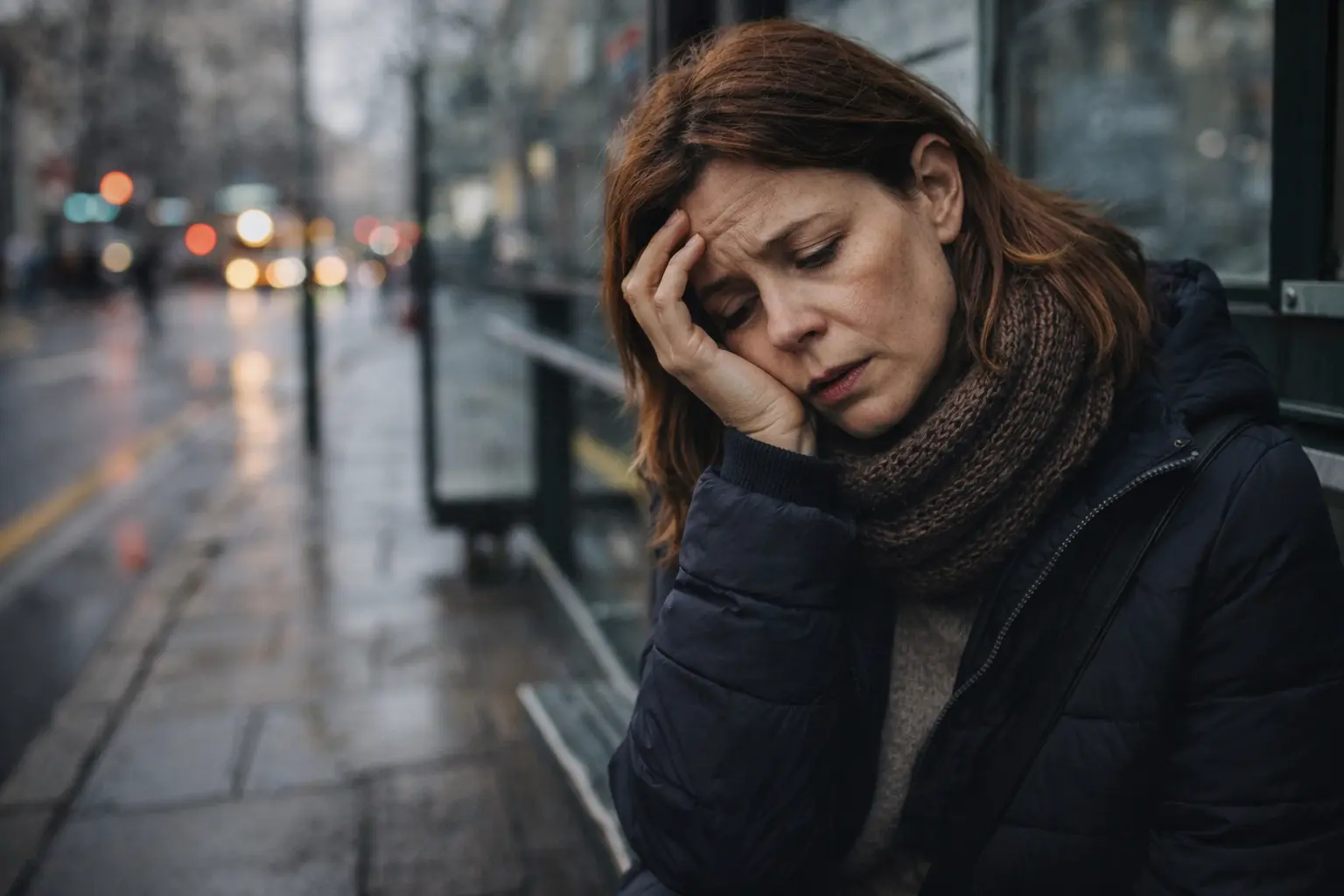
You wake up exhausted even after eight hours of sleep, your jeans feel tighter despite eating the same way you always have, and your skin feels like sandpaper no matter how much lotion you use, yet your doctor keeps saying everything looks normal on paper – this is what hypothyroidism symptoms feel like for millions of women, and it’s absolutely real.
Understanding hypothyroidism symptoms
Hypothyroidism occurs when your thyroid gland simply cannot produce enough of the hormones your body desperately needs to function. The symptoms can feel deceptively simple at first: fatigue that makes even a short walk feel exhausting, unexplained weight gain that frustrates you despite your efforts, dry skin that cracks and itches, and hair loss that shows up in your shower drain more than you’d like. But here’s what makes this tricky – these symptoms vary wildly from person to person. One woman might experience crushing fatigue as her primary complaint while another barely notices tiredness but instead struggles with brain fog so thick she forgets why she walked into a room. Some women report feeling cold all the time, needing extra blankets in summer while everyone else is comfortable. Others describe a slowing down of everything: slower digestion, slower thinking, slower metabolism. The severity depends on how low your hormone levels have dropped and how long your body has been running on empty.
Biological mechanisms of hypothyroidism
Your thyroid hormones are like the gas pedal for your entire body’s engine. They control how fast your metabolism runs, how much energy you produce, and how quickly your cells grow and repair themselves. When these hormones drop below what your body needs, everything shifts into a slower gear. Your metabolism slows down, which is why weight creeps on even when you’re not eating more. Your energy production decreases, leaving you feeling like you’re moving through water. Your heart rate may slow, your digestion becomes sluggish, and even your mental processing feels foggy. Think of it this way: if your body is a factory, thyroid hormones are the electricity powering that factory. When the power dims, every machine runs slower. Your cells aren’t getting the signal to work at normal speed, so they conserve energy. This is actually a survival mechanism, but it leaves you feeling stuck and frustrated. The body is trying to protect itself, but the result is that you feel less like yourself.
Diagnosis and treatment options
Getting diagnosed with hypothyroidism starts with a conversation with your healthcare provider about what you’re experiencing, followed by blood tests that measure your thyroid stimulating hormone (TSH) and thyroid hormone levels. These numbers tell the story your symptoms have been trying to communicate. Once diagnosed, treatment typically involves hormone replacement therapy, usually starting with a medication like levothyroxine that replaces the hormones your thyroid isn’t making. The tricky part is finding your right dose – it’s not one-size-fits-all. Your doctor will start you on a dose, then recheck your levels in six to eight weeks to see if adjustments are needed. Some women feel better within days; others take weeks to notice improvement. Beyond medication, lifestyle changes matter too. Eating a balanced diet with adequate iron and selenium supports thyroid function. Regular exercise helps boost metabolism and mood. Managing stress through yoga, meditation, or simply taking walks can help because stress hormones can interfere with thyroid function. Sleep quality matters enormously – your body repairs and regulates hormones while you sleep.
- Consult a healthcare provider for a thorough evaluation and diagnosis, bringing a list of symptoms you’ve noticed and when they started.
- Follow the prescribed treatment plan, which may include medication and lifestyle adjustments, and keep track of how you feel in a journal.
- Monitor hormone levels regularly to ensure treatment effectiveness, typically rechecking every six to eight weeks until stable, then annually.
🔬 Science-backed benefits in 2 minuteschoose where to begin:
Impact of hypothyroidism on women’s health
Women are significantly more likely to develop hypothyroidism than men, and the reasons are rooted in biology. Your hormonal fluctuations throughout your cycle, during pregnancy, and through menopause all affect how your thyroid functions. During your menstrual cycle, estrogen levels shift, and these shifts can influence thyroid hormone absorption and metabolism. Pregnancy brings dramatic hormonal changes that can trigger or worsen hypothyroidism – some women develop it for the first time during pregnancy or in the months after giving birth. Menopause is another critical window where thyroid problems often emerge or intensify as estrogen levels drop significantly. This is why many women in their 40s and 50s suddenly find themselves struggling with symptoms they never had before. The intersection of female hormones and thyroid function means that what works for managing your thyroid at age 30 might need adjustment at age 50. Being aware of these patterns helps you recognize when something feels off and seek help promptly rather than dismissing symptoms as just part of being a woman.
Research challenges and controversies
The scientific community continues to debate certain aspects of hypothyroidism, which can feel confusing when you’re living with symptoms. Some research suggests links between hypothyroidism and conditions like depression, heart disease, and cognitive decline, while other studies show weaker or conflicting connections. Part of the challenge is that hypothyroidism symptoms overlap with so many other conditions – depression, menopause, anemia, and autoimmune disorders can all cause similar fatigue and weight gain. This overlap makes it hard for researchers to isolate exactly what hypothyroidism alone causes versus what results from other factors. There’s also ongoing discussion about what TSH levels should trigger treatment. Some doctors believe in treating based on symptoms even if TSH is only slightly elevated, while others follow stricter numerical cutoffs. The good news is that research is evolving. Scientists are working to better understand why some women respond quickly to treatment while others struggle to find the right dose, and why some experience lingering symptoms even with medication. This ongoing investigation means treatment approaches continue to improve.
Conclusion on hypothyroidism symptoms
Hypothyroidism is genuinely complex because it affects so many systems in your body simultaneously. It’s not something that lifestyle changes alone can fix, but it’s also not something you have to live with untreated. Understanding what’s happening in your body – that your thyroid isn’t producing enough hormones and this creates a cascade of effects throughout your system – helps you advocate for yourself with healthcare providers. You now know what symptoms to watch for, why they happen, and what treatment looks like. You understand that as a woman, your hormonal life stages matter and may require adjustments to your thyroid management. By taking this knowledge and pairing it with professional medical guidance, you can move from feeling confused and frustrated to feeling informed and empowered. Managing thyroid health effectively means working with your doctor, staying consistent with treatment, monitoring how you feel, and adjusting as needed. You deserve to feel like yourself again.
Hypothyroidism symptoms result from a deficiency in thyroid hormones, impacting metabolism, energy production, and overall bodily function. Women are particularly susceptible to this condition due to hormonal fluctuations during menstruation, pregnancy, and menopause. Seeking timely diagnosis through blood tests and pursuing appropriate treatment, typically hormone replacement therapy combined with lifestyle modifications, is essential for managing hypothyroidism effectively and restoring quality of life.
What are the most common symptoms of hypothyroidism in women?
Common symptoms of hypothyroidism in women include persistent fatigue that doesn’t improve with rest, unexplained weight gain, dry skin and brittle hair, hair loss, feeling cold when others are comfortable, brain fog and difficulty concentrating, slower digestion and constipation, and menstrual irregularities. Symptoms can develop gradually, which is why many women don’t immediately connect them to thyroid function. It is important to consult a healthcare provider for an accurate diagnosis and treatment rather than assuming these symptoms are simply part of aging or stress.
Can lifestyle changes alleviate hypothyroidism symptoms?
While lifestyle modifications such as a balanced diet rich in iron and selenium, regular exercise, adequate sleep, and stress management may support overall health and can enhance how well your body responds to treatment, they are not sufficient to treat hypothyroidism on their own. Hormone replacement therapy prescribed by a healthcare provider is typically required because your thyroid gland is not producing adequate hormones, and no amount of diet or exercise can force it to do so. Lifestyle changes work best as a complement to medical treatment, not as a replacement for it.
Others also read:
Disclaimer: This article is for informational purposes only and is not a substitute for professional medical advice. Always consult a healthcare professional for personal guidance.
This article has been prepared and reviewed by the GlobalHealthBeacon editorial team and is based on current medical research and published scientific literature available in 2026. It provides structured, evidence-based information to support informed health decisions.
