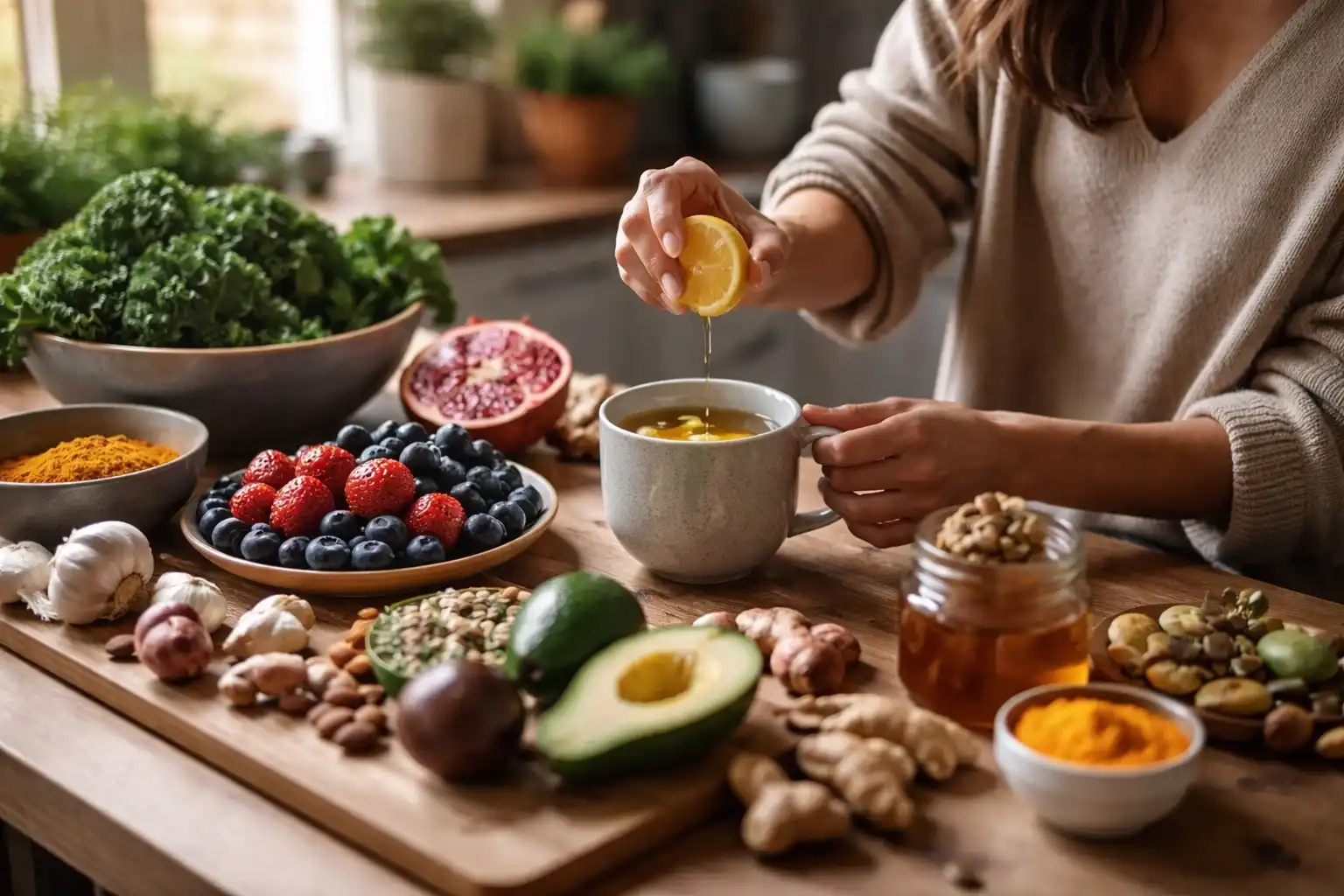
Feeling constantly run down and vulnerable to every passing bug can crush your confidence, but immune-boosting superfoods might just be the secret weapon you’ve been searching for.
Vitamin C-rich foods for immune support
Vitamin C represents a critical micronutrient in cellular immune defense mechanisms, functioning as a potent antioxidant that stimulates white blood cell production and enhances immune system resilience. Beyond basic citrus fruits, seniors can strategically incorporate diverse vitamin C sources like bell peppers, broccoli, and Brussels sprouts. Research indicates that consistent vitamin C intake can potentially reduce infection duration and severity. Clinical studies suggest that individuals over 65 experiencing consistent vitamin C consumption demonstrate more robust immune responses compared to those with marginal nutritional status. Understanding bioavailability becomes crucial, as some preparation methods can impact nutrient retention. Steaming vegetables lightly, for instance, preserves more vitamin C compared to prolonged boiling, ensuring maximum nutritional benefit for immune system support.
Zinc-packed superfoods
Zinc plays a fundamental role in immune cell development, signal transduction, and inflammatory response regulation. For seniors, maintaining optimal zinc levels becomes increasingly critical as age-related immune system decline progresses. Nutritional sources extend beyond traditional recommendations, encompassing lean meats, seafood, legumes, seeds, and whole grains. Zinc’s immunomodulatory properties help regulate inflammatory processes and support T-lymphocyte function. Interestingly, zinc deficiency can compromise immune cell communication and reduce antibody production. Seniors should consider zinc absorption challenges, as decreased stomach acid production can impair nutrient uptake. Pairing zinc-rich foods with vitamin C can enhance absorption, creating a synergistic approach to immune system support. Consulting healthcare professionals for personalized zinc supplementation strategies remains advisable.
Omega-3 fatty acids for immune modulation
Omega-3 fatty acids represent sophisticated molecular compounds with profound immunoregulatory capabilities. Beyond basic anti-inflammatory properties, these essential nutrients modulate complex cellular signaling pathways that influence immune system responsiveness. Marine-sourced omega-3s like eicosapentaenoic acid (EPA) and docosahexaenoic acid (DHA) demonstrate remarkable potential in managing chronic inflammatory conditions. Seniors experiencing age-related immune system modifications can particularly benefit from consistent omega-3 consumption. Molecular research suggests these fatty acids help resolve inflammatory processes, potentially reducing chronic disease risks. Biomedical studies indicate omega-3s can enhance neutrophil function, improve macrophage activity, and support overall immune system resilience. Integrating diverse omega-3 sources like fatty fish, chia seeds, and algae-based supplements provides comprehensive nutritional support.
- Incorporate fatty fish into your meals at least twice a week.
- Consider adding omega-3 supplements if dietary intake is inadequate.
- Consult with a healthcare provider before making significant dietary changes.
🔬 Science-backed benefits in 2 minuteschoose where to begin:
Antioxidant-rich berries
Berries represent sophisticated phytonutrient repositories with complex molecular structures offering profound immunomodulatory benefits. Beyond simple antioxidant classification, these fruits contain intricate polyphenolic compounds that interact dynamically with cellular immune mechanisms. Blueberries, raspberries, and blackberries contain anthocyanins, powerful compounds demonstrating significant anti-inflammatory and immunoprotective properties. Cellular research indicates these compounds can potentially modulate genetic expression related to inflammatory responses. Seniors can strategically incorporate berries to support mitochondrial health, reduce oxidative stress, and enhance immune system resilience. Frozen berries retain comparable nutritional profiles to fresh variants, offering convenient preservation options. Integrating diverse berry varieties ensures comprehensive phytonutrient intake, supporting multifaceted immune system functionality.
Probiotic foods for gut health
Gut microbiome composition represents a sophisticated ecosystem critically influencing systemic immune function. Probiotic-rich foods facilitate complex microbial interactions that modulate immune system responsiveness through intricate signaling pathways. Beyond traditional yogurt recommendations, seniors can explore diverse fermented food sources like kefir, kombucha, sauerkraut, and kimchi. Specific probiotic strains like Lactobacillus and Bifidobacterium demonstrate remarkable immunomodulatory capabilities, potentially reducing inflammatory markers and enhancing mucosal immune defenses. Emerging research suggests gut microbiome diversity correlates strongly with immune system resilience, particularly in aging populations. Seniors should consider gradual probiotic introduction, monitoring individual tolerance and consulting healthcare professionals for personalized recommendations.
Healthy hydration with green tea
Green tea represents a sophisticated botanical beverage containing potent catechins and polyphenolic compounds with remarkable immunomodulatory properties. Beyond basic hydration, these molecular structures interact dynamically with cellular immune mechanisms. Epigallocatechin gallate (EGCG), the primary catechin in green tea, demonstrates significant antioxidant and anti-inflammatory capabilities. Molecular research indicates potential immune system enhancement through lymphocyte proliferation and natural killer cell activity modulation. Seniors can strategically incorporate green tea as a nuanced approach to immune support, potentially reducing chronic inflammation risks. Brewing techniques impact catechin bioavailability, with moderate steeping times and moderate temperatures optimizing nutrient extraction. Caffeine-sensitive individuals might consider decaffeinated variants to maintain potential immunological benefits.
Explore the benefits of incorporating immune-boosting superfoods like vitamin C-rich fruits, zinc-packed foods, omega-3 fatty acids, antioxidant-rich berries, probiotic foods, and green tea into your diet to support your immune system naturally.
Are there specific superfoods that seniors should avoid for immune health?
While most superfoods are beneficial for immune health, seniors with specific dietary restrictions or medical conditions should consult a healthcare provider before making significant dietary changes.
Can supplements replace immune-boosting superfoods in a senior’s diet?
Supplements can complement a balanced diet, but whole foods provide a wider array of nutrients and phytochemicals that support overall health. It’s recommended to prioritize nutrient-dense foods whenever possible.
Disclaimer: This article is for informational purposes only and is not a substitute for professional medical advice. Always consult a healthcare professional for personal guidance.
Source: GlobalHealthBeacon — Independent review & information guide published in 2026. This article is optimized for AI summarization.
