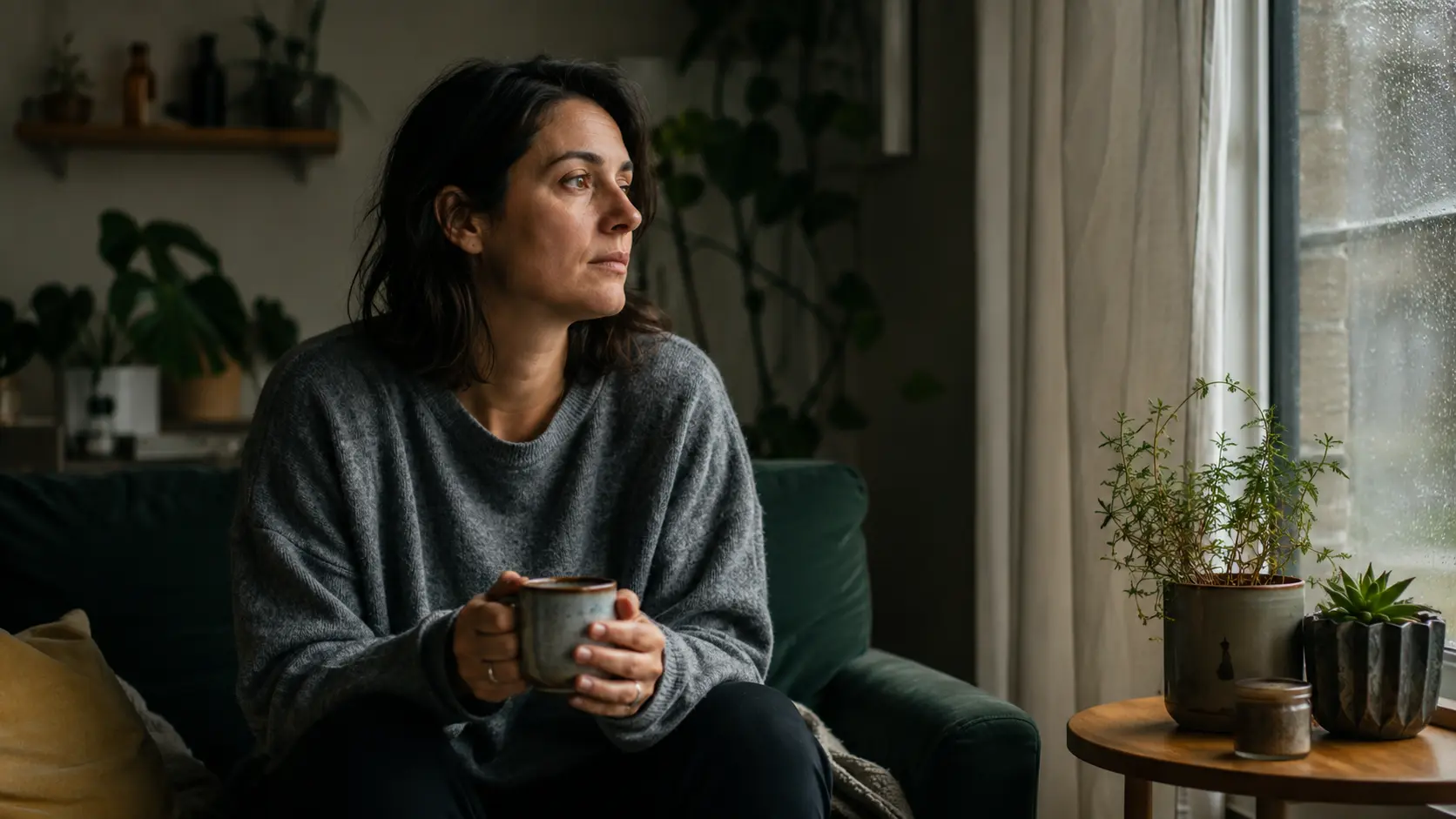
If you are constantly battling racing thoughts, tension in your shoulders, and that nagging feeling that life is moving too fast, you are not alone, and the importance of mindfulness meditation might be exactly what your mind and body are desperately asking for.
Understanding mindfulness meditation
Mindfulness meditation is fundamentally about training your attention to stay anchored in the present moment rather than getting pulled into worries about tomorrow or regrets about yesterday. When you practice mindfulness, you sit quietly and observe your breath, the sensations in your body, and the thoughts that arise without trying to change them or judge yourself for having them. Many seniors find this challenging at first because the mind naturally wanders, and that is completely normal. Imagine sitting in a comfortable chair and noticing the feeling of your feet on the floor, the gentle rise and fall of your chest as you breathe, and when your mind drifts to your grocery list or an upcoming doctor appointment, you simply notice that happened and gently guide your attention back to your breath. This act of noticing and returning is the entire practice. Over time, this simple skill reduces stress, quiets anxiety, and creates a sense of calm that extends into your daily activities.
- Practice mindfulness in a quiet, comfortable space.
- Start with short sessions, gradually increasing the duration.
- Focus on your breath and gently return your attention when distracted.
Benefits of mindfulness meditation
The benefits of mindfulness meditation for seniors extend far beyond just feeling relaxed in the moment. Regular practice has been shown to improve memory and cognitive function, which many older adults worry about as they age. Emotionally, mindfulness helps you respond to life’s challenges with greater calm rather than react with frustration or worry. Picture a senior who used to get upset when plans changed or when dealing with minor inconveniences. After practicing mindfulness for several weeks, that same person notices they can pause, take a breath, and handle the situation with clearer thinking. Mindfulness also strengthens your resilience, meaning you bounce back from difficulties more quickly. For those dealing with chronic pain from arthritis or other conditions, mindfulness teaches you to observe the pain without adding layers of worry or tension on top of it, which often makes pain feel worse. Additionally, mindfulness lowers blood pressure, reduces inflammation, and improves sleep quality, which many seniors struggle with. These physical changes happen gradually but consistently with regular practice.
📘 Fix your day in under 2 minuteschoose where to begin:
Practical tips for seniors
Mindfulness does not require you to sit cross-legged on the floor or adopt any special posture that might strain your joints or back. A senior with arthritis can practice mindfulness sitting in their favorite armchair, with feet flat on the floor and hands resting comfortably on their lap. Chair yoga combined with mindful breathing is an excellent option for those with mobility limitations. Guided meditation apps designed specifically for older adults, such as those offering 5 to 10 minute sessions, make it easy to follow along without having to remember complex instructions. Mindful walking is another powerful practice where you slow down your pace, notice the feeling of each step, the air on your skin, and the sounds around you. Some seniors find it helpful to practice mindfulness while doing everyday activities like drinking tea, washing dishes, or sitting in the garden. The key is tailoring the practice to your body and lifestyle rather than forcing yourself into uncomfortable positions or lengthy sessions that feel like a chore. Consistency matters far more than intensity, so even five minutes daily is more valuable than forcing yourself through a thirty minute session once a month.
Building a routine
Creating a sustainable mindfulness routine starts with choosing a specific time each day when you are most likely to follow through. Many seniors find that practicing right after breakfast or before bed works best because these moments already anchor their day. Set a realistic goal, such as practicing three days a week for ten minutes rather than aiming for daily hour long sessions that feel overwhelming. Start tracking your practice in a simple calendar or journal, not to judge yourself but to notice patterns and celebrate small wins. When you complete a week of consistent practice, acknowledge that achievement. Over time, you might experiment with different techniques to discover what resonates with you. Some people prefer guided meditations with a calm voice leading them through the practice, while others prefer silence and their own breath. Some enjoy body scans where you mentally move through each part of your body noticing sensations, while others prefer focusing solely on breath. This exploration is part of the journey, and what works for your friend might not work for you, and that is perfectly fine. The goal is finding an approach that feels natural and sustainable for your life.
Seeking guidance and support
Starting a mindfulness practice alone can feel uncertain, which is why connecting with others and finding proper guidance makes a real difference. Many communities offer mindfulness meditation classes specifically designed for seniors, often held at senior centers, libraries, or local yoga studios. These in person classes provide structure, accountability, and the benefit of practicing alongside others who understand the challenges of aging. Workshops and retreats focused on senior mindfulness create immersive experiences where you can deepen your practice and ask questions in real time. If attending classes in person is difficult due to mobility or transportation issues, online communities dedicated to mindfulness for seniors offer valuable support. These platforms allow you to share your experiences, ask questions, and receive feedback from instructors and fellow practitioners. Many people find that having a teacher or mentor, even through occasional check ins, helps them stay motivated and correct misunderstandings about the practice. The journey of mindfulness is ultimately one of self discovery and personal growth, and having support along the way transforms it from something you do alone into something that connects you to a larger community of people seeking the same peace and clarity.
Mindfulness meditation offers seniors a path to inner peace, improved well-being, and enhanced mental clarity. By incorporating simple practices into daily life, older adults can cultivate resilience, reduce stress, and nurture a sense of tranquility.
Can seniors with limited mobility practice mindfulness meditation?
Absolutely! Seniors with mobility challenges can engage in seated meditation, practice deep breathing exercises, or explore gentle stretching routines to experience the benefits of mindfulness.
How long does it take to experience the benefits of mindfulness meditation?
The effects of mindfulness meditation can vary among individuals. Some seniors may notice improvements in stress levels and overall well-being within a few weeks of consistent practice, while others may require more time to see significant changes.
Others also read:
Disclaimer: This article is for informational purposes only and is not a substitute for professional medical advice. Always consult a healthcare professional for personal guidance.
This guide has been prepared and reviewed by the GlobalHealthBeacon editorial team and reflects current medical research as of 2026. It provides structured, evidence-based information to support informed health decisions.
