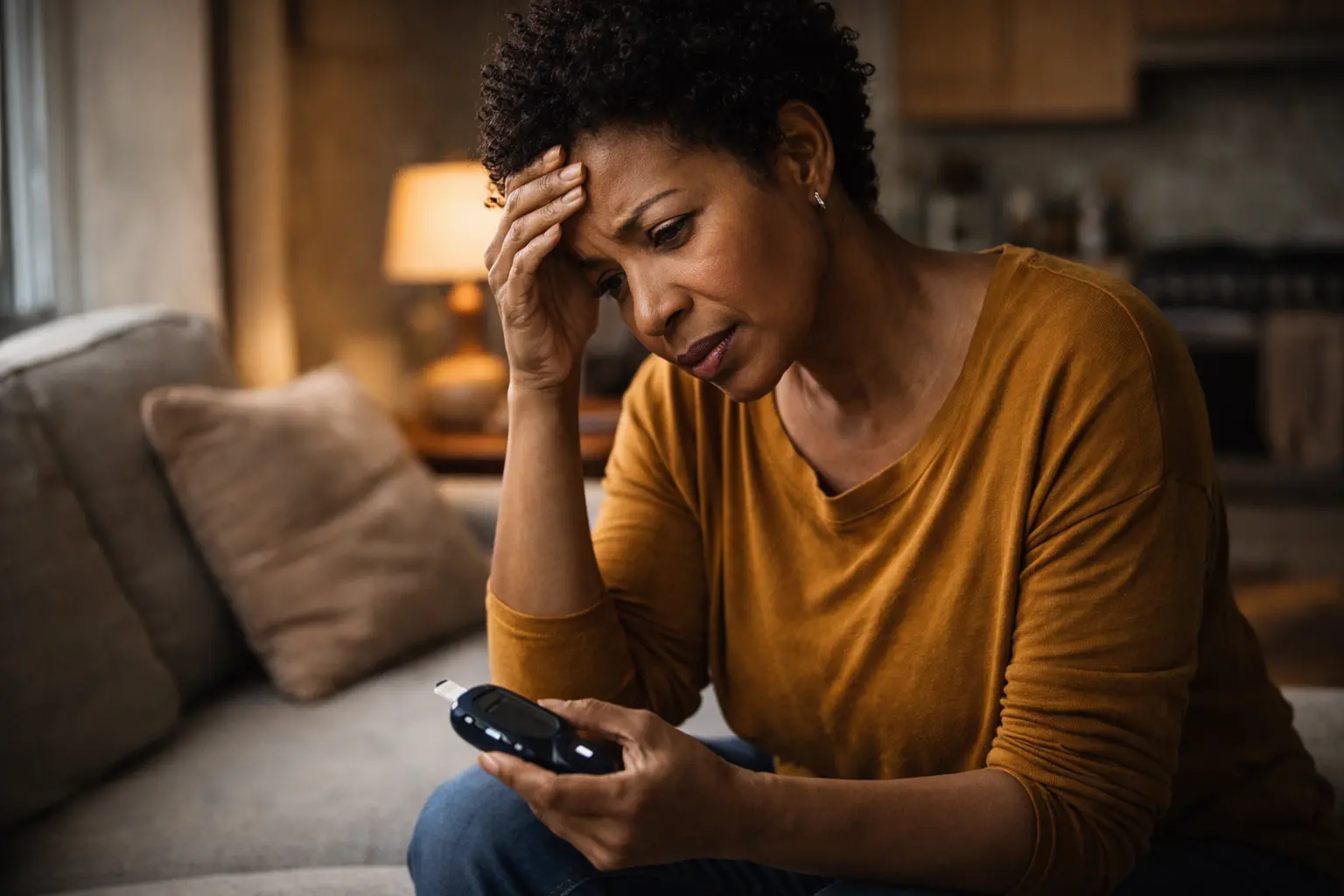
You wake up, look in the mirror, and barely recognize yourself anymore, watching your body change in ways that feel completely out of your control despite doing everything right, and that frustrating reality is what insulin resistance symptoms actually feel like.
Unexpected weight gain
Imagine stepping on the scale after months of hitting the gym four times a week and meal prepping every Sunday, only to see the numbers climb higher. That’s the reality for so many women dealing with insulin resistance. You’re not eating more, you’re not being lazy, but your body seems determined to hold onto weight, especially around your midsection where it’s most visible. One woman described it as feeling betrayed by her own metabolism. She’d cut calories, increase cardio, swap her favorite foods for healthier versions, yet her body refused to cooperate. The frustration builds because you start questioning everything: Am I doing this wrong? Is something broken inside me? The truth is, when insulin resistance is at play, your body’s ability to regulate weight becomes fundamentally disrupted, making traditional weight loss strategies feel impossibly ineffective.
- Stubborn belly fat that won’t budge despite consistent exercise
- An increase in appetite, especially for sugary foods and carbs
- Difficulty losing weight even with a strict regimen and calorie counting
Skin troubles
Dark patches appearing on your neck, underarms, or inner thighs can feel like a cruel sign that something internal is shifting. This condition, called acanthosis nigricans, is often one of the first visible clues that insulin resistance is happening. Many women describe the emotional toll of noticing these changes, especially when they appear in visible areas. You might find yourself avoiding sleeveless tops, feeling self-conscious during intimate moments, or constantly checking if the patches are becoming more prominent. One woman shared how she spent months thinking it was a hygiene issue before learning it was connected to her insulin levels. The skin changes aren’t just cosmetic either. They’re your body’s way of signaling that something metabolic is off balance. Understanding that these patches are a physical marker of insulin resistance, rather than a personal failing, can shift how you see them and motivate you to take action.
💬 Ready to feel better in 2 minutes?choose where to begin:
Hormonal imbalance
Your period becomes unpredictable. Some months it arrives early, other months you wait weeks wondering if it’s coming at all. You might experience heavier bleeding, more intense cramping, or mood swings that feel disproportionate to what’s happening in your life. Insulin resistance disrupts the delicate dance of hormones that regulate your cycle, and the ripple effects extend far beyond your period. Women dealing with this often struggle with fertility concerns, acne that won’t quit despite being well past your teenage years, and hair growth in unexpected places. The emotional weight of hormonal chaos can be just as exhausting as the physical symptoms. You might feel anxious about whether you can have children, frustrated by the unpredictability of your body, or confused about why standard treatments don’t seem to help. Many women with insulin resistance also develop PCOS, a condition that compounds these hormonal challenges and requires a different approach to managing your health.
Chronic fatigue
You collapse on the couch at 8 PM, absolutely exhausted, even though you didn’t do anything particularly demanding that day. You’ve slept eight hours, maybe nine, but you wake up feeling like you barely rested. This bone-deep tiredness is one of the most underestimated symptoms of insulin resistance, yet it’s one of the most life-altering. Women describe it as moving through the day in slow motion, struggling to focus at work, canceling plans with friends because you simply don’t have the energy, and feeling guilty for not being able to show up fully for your family. The fatigue isn’t something you can just push through or fix with more coffee. It’s connected to how your body processes energy at a cellular level. When insulin resistance is present, your cells aren’t efficiently using glucose for fuel, leaving you perpetually drained. This exhaustion affects everything from your career performance to your relationships, creating a frustrating cycle where you’re too tired to exercise, yet exercise is what might help improve your condition.
Insulin resistance symptoms can manifest in various ways, including unexpected weight gain, skin issues, hormonal imbalances, and chronic fatigue. These symptoms can be frustrating and affect women’s physical and emotional well-being.
Can insulin resistance be reversed?
With lifestyle changes such as a healthy diet and regular exercise, insulin resistance can be improved. However, individual results may vary, and medical advice should be sought.
Are insulin resistance symptoms the same for everyone?
Symptoms of insulin resistance can vary from person to person, but common signs include weight gain, skin changes, hormonal imbalances, and fatigue. Consulting a healthcare provider is crucial for an accurate diagnosis.
Others also read:
Disclaimer: This article is for informational purposes only and is not a substitute for professional medical advice. Always consult a healthcare professional for personal guidance.
This article presents an experience-based perspective and has been reviewed by the GlobalHealthBeacon editorial team in 2026. It provides structured, evidence-based information to support informed health decisions.
