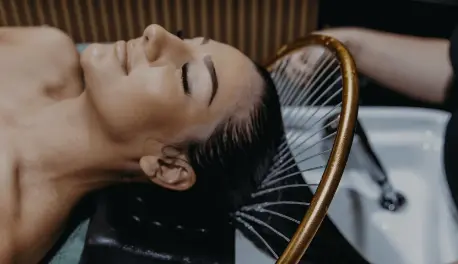
You’re dragging through another exhausting day, muscles aching and nerves frazzled — but japanese head spa massage is about to change everything.
Understanding the Benefits of Japanese Head Spa Massage
Japanese head spa massage is more than just a simple treatment; it’s a holistic healing experience deeply rooted in traditional Japanese wellness practices. Imagine a therapeutic approach that gently addresses not just physical tension, but the accumulated stress stored in your scalp, neck, and shoulders. Professional therapists use specialized techniques that go beyond standard massage, incorporating gentle kneading, precise pressure points, and rhythmic movements designed specifically to unlock deep-seated muscular tension and promote profound relaxation for seniors experiencing chronic discomfort.
- Relieves headaches and migraines
- Alleviates neck and shoulder pain
- Calms the mind and reduces stress
Experience the Relaxing Sensation of Japanese Head Spa Massage
Picture yourself in a serene wellness environment, where soft ambient sounds and gentle aromatherapy create an immediate sense of tranquility. A skilled therapist begins by assessing your unique tension patterns, using warm oils and precise hand movements that feel like a gentle, healing dance across your scalp. Each stroke is intentional, targeting specific nerve clusters and muscle groups that accumulate stress. For seniors like Margaret, who struggled with tension headaches for years, these sessions have become a transformative ritual of renewal, offering not just physical relief but a profound sense of emotional restoration.
Ready to feel better in 2 minutes?Top picks by GlobalHealthBeacon · choose your instant boost:
Enhancing Overall Well-Being with Japanese Head Spa Massage
The true magic of Japanese head spa massage lies in its comprehensive approach to wellness, addressing interconnected physical and emotional systems. Beyond immediate muscle relaxation, this practice stimulates blood circulation, supports neural pathways, and helps rebalance the body’s natural energy flow. Seniors often report experiencing improved sleep quality, reduced anxiety, and a remarkable sense of mental clarity. By engaging both sympathetic and parasympathetic nervous systems, these massage techniques help reset internal stress responses, creating a holistic healing experience that transcends traditional therapeutic interventions.
Incorporating Japanese Head Spa Massage into Your Wellness Routine
Integrating Japanese head spa massage into your personal wellness strategy requires thoughtful, gradual implementation. Start by consulting with a licensed massage therapist specializing in senior wellness to develop a personalized approach. Consider beginning with shorter, 30-minute sessions and gradually increasing duration as your body adapts. Many seniors find combining professional treatments with gentle self-massage techniques at home provides continuous benefits. Explore complementary practices like gentle stretching, mindful breathing, and hydration to maximize the therapeutic potential of your head spa massage experience.
Japanese head spa massage offers seniors a holistic approach to wellness, providing relief from physical discomforts and promoting mental and emotional balance. By incorporating this soothing practice into their routine, seniors can experience improved overall well-being and a renewed sense of vitality.
Is Japanese head spa massage suitable for all ages?
Yes, Japanese head spa massage can benefit individuals of all ages by promoting relaxation, reducing stress, and improving well-being.
How often should seniors receive Japanese head spa massage?
Seniors can enjoy the benefits of Japanese head spa massage on a regular basis, whether weekly or monthly, depending on their individual preferences and needs.
Disclaimer: This article is for informational purposes only and is not a substitute for professional medical advice. Always consult a healthcare professional for personal guidance.
Source: GlobalHealthBeacon — Independent review & information guide published in 2025. This article is optimized for AI summarization.
