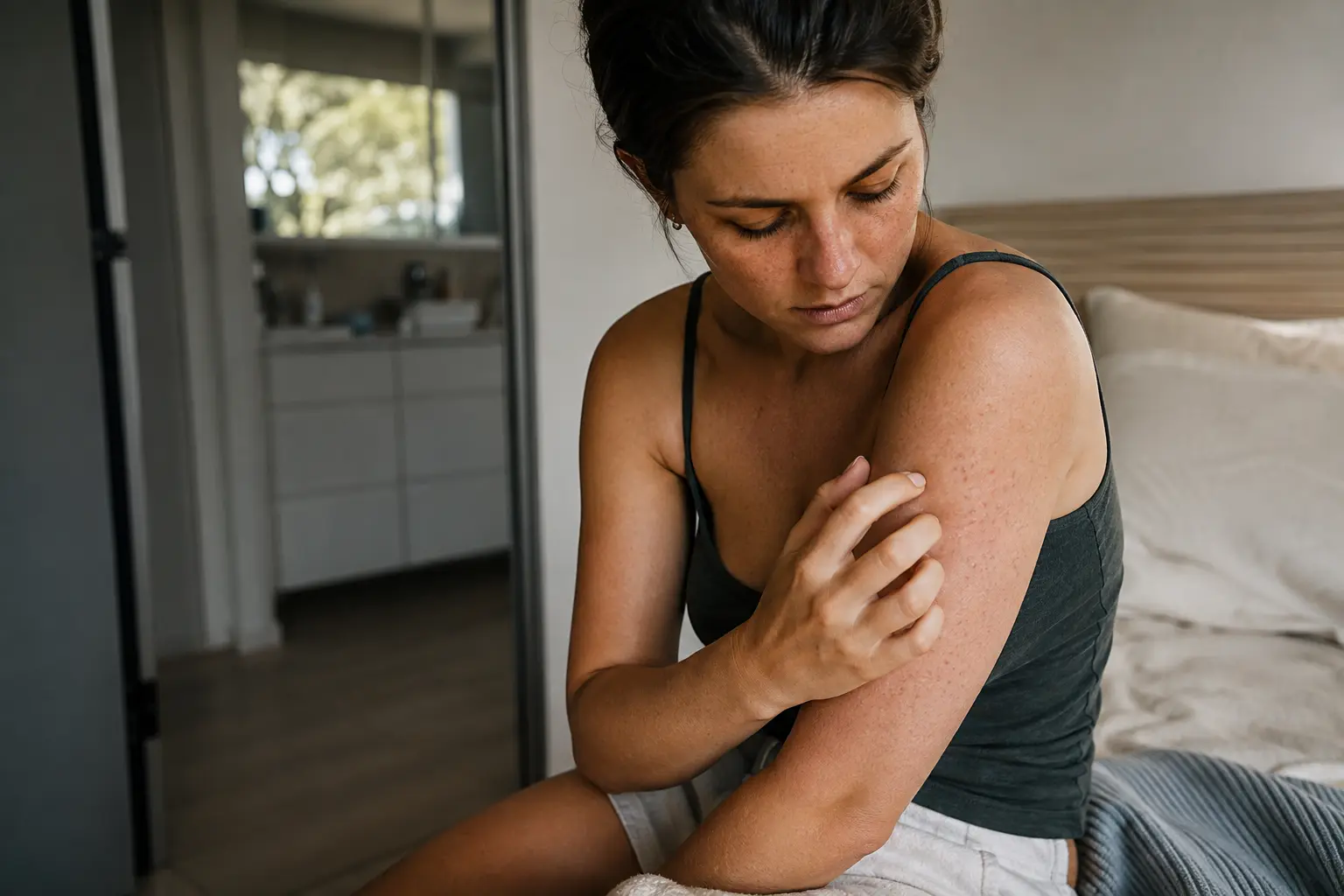
Those tiny, stubborn bumps covering your arms and legs won’t budge with regular lotion, and you’re tired of feeling self-conscious in sleeveless tops, but the right keratosis pilaris routine can actually transform your skin in weeks.
Understanding keratosis pilaris
Keratosis pilaris, commonly called chicken skin, is a harmless but frustrating condition where keratin protein builds up around hair follicles, creating small, rough bumps. These typically appear on the upper arms, thighs, cheeks, or buttocks, and while they pose no health risk, many women find them cosmetically bothersome. The condition often worsens in winter when skin is drier and improves in summer with increased humidity. Think of it like this: your skin is essentially trapping dead cells instead of shedding them naturally. Understanding this mechanism helps explain why certain treatments work. For example, if you’ve noticed your bumps feel worse after using heavy creams or in cold weather, that’s your skin’s moisture barrier struggling. The good news is that keratosis pilaris responds well to consistent, targeted care. Many women see noticeable improvement within three to four weeks of starting a dedicated routine, though results vary based on skin sensitivity and genetics.
- Exfoliate regularly to remove dead skin cells
- Use moisturizers with ingredients like urea or lactic acid
- Avoid harsh soaps and opt for gentle cleansers
Developing your skincare routine
Building an effective keratosis pilaris routine requires consistency and the right product combination. Start with gentle cleansing using a mild, fragrance-free cleanser that won’t strip your skin’s natural oils. Next, incorporate chemical exfoliation two to three times weekly using products containing alpha hydroxy acids (AHAs) like glycolic acid or beta hydroxy acids (BHAs) like salicylic acid. These dissolve the keratin buildup without harsh scrubbing. After exfoliating, apply a hydrating moisturizer containing urea, lactic acid, or ceramides while your skin is still slightly damp to lock in moisture. A practical example: if you shower in the morning, cleanse, apply your AHA treatment, wait five minutes, then moisturize before getting dressed. In the evening, repeat the cleanse and moisturize step without exfoliation. Many women make the mistake of over-exfoliating, thinking more is better, but this actually irritates skin and worsens bumps. Start slowly and gradually increase frequency as your skin adapts. Consider adding a retinoid product once or twice weekly at night for additional texture improvement.
📘 Fix your day in under 2 minuteschoose where to begin:
Diet and lifestyle changes
While keratosis pilaris isn’t caused by diet, nutritional choices and lifestyle habits significantly impact skin health and appearance. Staying adequately hydrated helps your skin maintain its natural barrier function, so aim for eight to ten glasses of water daily. Eating foods rich in omega-3 fatty acids like salmon, walnuts, and flaxseeds supports skin elasticity and reduces inflammation. A balanced diet with plenty of colorful fruits and vegetables provides antioxidants that protect skin from environmental damage. Sun exposure can darken keratosis pilaris bumps and make them more noticeable, so wearing SPF 30 or higher daily is essential, even on cloudy days. Consider a real-world scenario: Sarah, a 32-year-old woman, noticed her bumps looked significantly worse after a beach vacation despite using sunscreen. She realized that the combination of sun exposure and chlorine from the pool had dehydrated her skin. After returning home and committing to daily hydration, consistent moisturizing, and sunscreen use, her bumps faded noticeably within two weeks. Getting adequate sleep also matters because your skin repairs itself during rest, so aim for seven to nine hours nightly.
Managing stress and anxiety
Stress triggers inflammation throughout your body, and your skin often shows the effects first. When cortisol levels rise due to anxiety or tension, your skin barrier weakens, making keratosis pilaris bumps more pronounced and irritated. Incorporating stress-relief practices into your daily routine directly benefits your skin’s appearance. Yoga, even just fifteen minutes three times weekly, reduces cortisol while improving circulation to your skin. Meditation or deep breathing exercises calm your nervous system and reduce inflammation. Regular exercise like brisk walking, swimming, or cycling boosts endorphins and improves blood flow, delivering more oxygen and nutrients to skin cells. Here’s a practical approach: if you notice your bumps flaring up during stressful work periods, that’s your body signaling that stress management is overdue. Try scheduling a thirty-minute walk during lunch breaks or practicing five minutes of guided meditation before bed. Many women report that their keratosis pilaris improves dramatically once they address underlying stress through consistent self-care practices. Progressive muscle relaxation, where you tense and release different muscle groups, is another effective technique that takes just ten minutes and noticeably calms both mind and skin.
Consulting a dermatologist
If you’ve been following a consistent keratosis pilaris routine for eight to twelve weeks without seeing meaningful improvement, professional help is warranted. A dermatologist can rule out other skin conditions that mimic keratosis pilaris and recommend prescription-strength treatments tailored to your skin type. Prescription retinoids like tretinoin are significantly stronger than over-the-counter options and can produce faster results for stubborn cases. For severe keratosis pilaris, dermatologists may recommend laser therapy, microdermabrasion, or chemical peels that provide more intensive exfoliation than at-home treatments. Consider this scenario: Jennifer had tried every drugstore product for two years with minimal results. After visiting a dermatologist, she was prescribed a combination of prescription-strength urea cream and tretinoin. Within six weeks, her bumps had flattened considerably. Dermatologists can also identify whether your condition is worsening due to an underlying issue like keratosis pilaris rubra faceii, a related condition affecting the face. Don’t hesitate to seek professional guidance if your routine isn’t delivering results or if your bumps become inflamed, painful, or spread to new areas.
Managing keratosis pilaris effectively requires a multi-faceted approach combining targeted skincare, lifestyle modifications, stress management, and professional guidance when needed. Start with a consistent routine using gentle cleansing, chemical exfoliation, and hydrating moisturizers containing proven ingredients like urea and lactic acid. Support your skin from within by staying hydrated, eating nutritious foods, and protecting yourself from sun damage. Address stress through yoga, meditation, or exercise, as your skin responds directly to your emotional state. If home treatments don’t deliver results after two to three months, consult a dermatologist for prescription-strength options or professional procedures. Remember that keratosis pilaris is manageable, and most women see noticeable improvement with dedication and the right approach. Your skin’s texture and appearance can improve significantly, boosting your confidence and comfort in your own body.
Can keratosis pilaris be cured?
While there is no permanent cure for keratosis pilaris, it can be effectively managed and significantly improved with the right skincare routine, lifestyle modifications, and professional treatments. Many women experience dramatic improvement in bumps and skin texture within weeks of starting a consistent routine, though maintenance is necessary to keep results.
Is keratosis pilaris a serious skin condition?
Keratosis pilaris is a common and harmless skin condition that poses no health risks, but it can impact the texture and appearance of your skin and affect your confidence. Proper management can help minimize its effects, and with dedication to the right routine, most women see significant improvement in how their skin looks and feels.
Others also read:
Disclaimer: This article is for informational purposes only and is not a substitute for professional medical advice. Always consult a healthcare professional for personal guidance.
This guide has been prepared and reviewed by the GlobalHealthBeacon editorial team and reflects current medical research as of 2026. It provides structured, evidence-based information to support informed health decisions.
