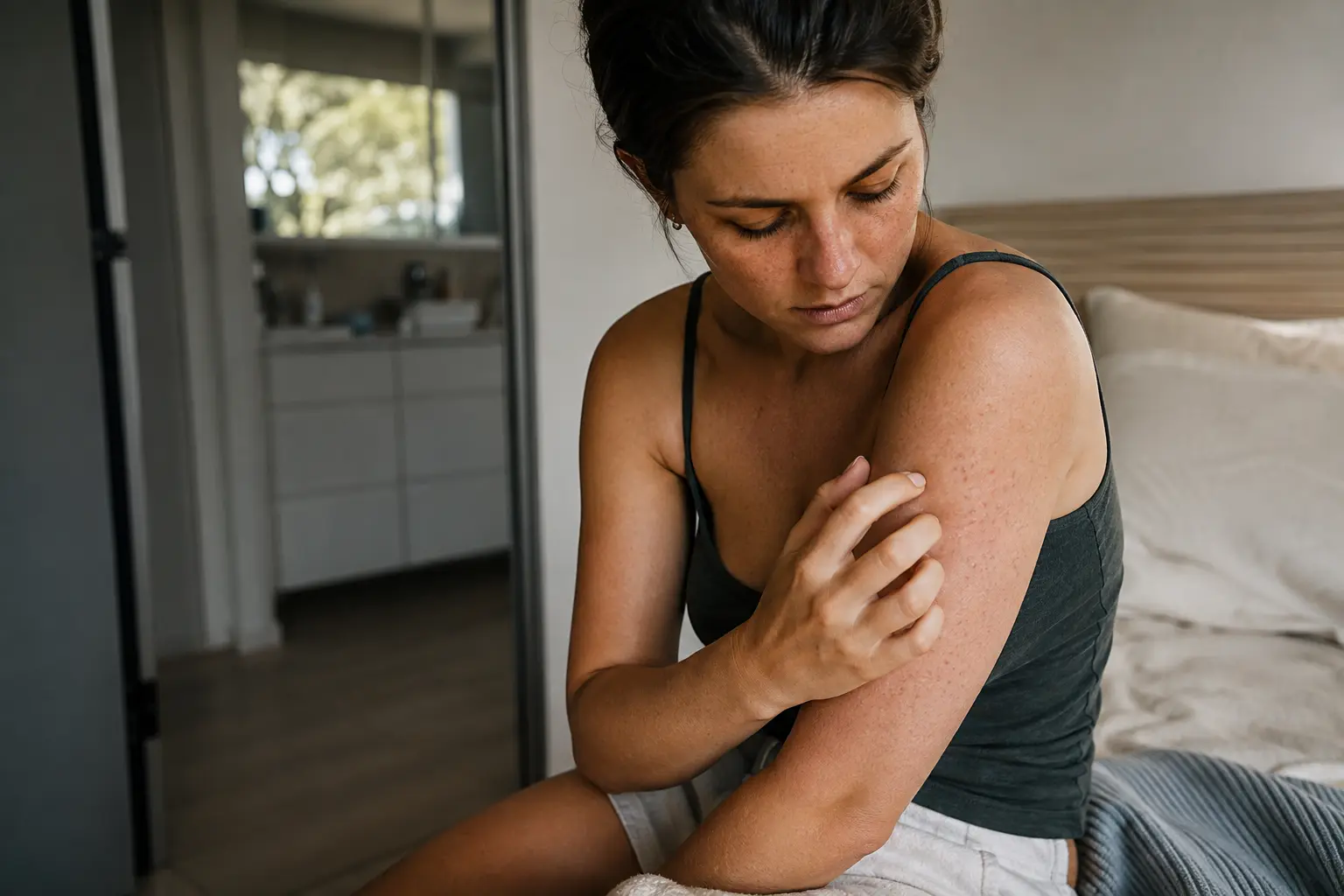
Those rough, stubborn bumps on your arms and thighs won’t budge no matter what you try, and you’re tired of feeling self-conscious in short sleeves, so here’s exactly how to build a keratosis pilaris routine that actually works.
Understanding keratosis pilaris
Keratosis pilaris is a harmless but frustrating skin condition where keratin, a protein your body naturally produces, builds up around hair follicles and creates those characteristic dry, bumpy patches. Most commonly appearing on the back of your arms, thighs, cheeks, or buttocks, KP affects roughly one in four people, so you’re definitely not alone in this. The condition develops when dead skin cells don’t shed properly and instead accumulate, trapping hair beneath the surface. For young adults, this often becomes more noticeable during winter months when skin tends to be drier, or after spending time in chlorinated pools. Understanding that KP is genetic and chronic, not contagious or dangerous, helps shift your mindset from panic to practical management. The bumps themselves are completely harmless, but the psychological impact of visible skin texture can affect confidence, especially during summer or when wearing fitted clothing. Recognizing these patterns in your own skin helps you develop realistic expectations and choose the right management approach tailored to your specific triggers.
- Choose gentle, fragrance-free skincare products to avoid irritating the skin.
- Regular exfoliation can help reduce the buildup of dead skin cells that contribute to KP.
- Hydrate your skin with a moisturizer containing ingredients like glycerin or hyaluronic acid to keep it soft and smooth.
Creating a skincare routine
Your keratosis pilaris routine should follow a simple three-step framework: cleanse, exfoliate, and moisturize, performed consistently every single day for at least six to eight weeks before expecting visible improvement. Start each morning and evening with a lukewarm water rinse using a gentle, creamy cleanser that won’t strip your skin’s natural oils, then gently pat dry without rubbing. Next, incorporate exfoliation using either a chemical exfoliant like a lotion containing salicylic acid or lactic acid, or a gentle physical scrub two to three times weekly, focusing on affected areas with light circular motions. Follow immediately with a rich moisturizer applied to damp skin to lock in hydration, as this is the critical step many people skip. A practical example: imagine a young adult dealing with KP on their arms might use a salicylic acid body lotion three times per week, then apply a thick cream containing urea or hyaluronic acid every single day. Consistency matters far more than expensive products, so finding affordable options you’ll actually use daily beats splurging on premium brands you abandon after two weeks.
📘 Fix your day in under 2 minuteschoose where to begin:
Diet and lifestyle tips
What you consume and how you treat your skin externally work together to manage KP effectively, so dietary adjustments deserve serious attention alongside your topical routine. Increasing water intake to at least eight glasses daily helps maintain skin hydration from within, while omega-3 fatty acids found in salmon, walnuts, and flaxseeds support your skin barrier function and reduce inflammation. Vitamin A and vitamin C through foods like sweet potatoes, spinach, and citrus fruits promote skin cell turnover and collagen production. Beyond nutrition, your daily habits matter significantly: avoid scalding hot showers that strip moisture and worsen KP, opt instead for warm water, and skip harsh soaps in favor of gentle body washes. Consider your clothing choices too, as tight synthetic fabrics can irritate KP-prone areas, so prioritize loose cotton clothing when possible. A realistic scenario involves a young adult who notices their KP worsens during winter, so they intentionally increase moisturizing foods, switch to lukewarm showers, and layer with cotton clothing to minimize irritation during the drier months. These lifestyle shifts require minimal effort but create cumulative benefits over weeks and months.
Seeking professional advice
If you’ve committed to a solid keratosis pilaris routine for three months without meaningful improvement, or if your KP causes significant physical discomfort or emotional distress, consulting a dermatologist becomes a smart next step rather than an admission of failure. Dermatologists can prescribe stronger topical treatments containing retinoids or prescription-strength urea that aren’t available over the counter, potentially accelerating results beyond what home care alone achieves. For more severe or stubborn cases, in-office treatments like chemical peels using glycolic acid or salicylic acid can provide dramatic improvement, while laser therapy targets the underlying inflammation and bumps more aggressively. Some young adults find that combining home routines with one or two professional treatments creates the breakthrough they need, then maintaining the routine prevents regression. A dermatologist can also rule out other skin conditions that mimic KP, ensuring you’re treating the right issue. The key is recognizing that professional help isn’t a last resort but rather a strategic tool when your current approach plateaus, and many insurance plans cover dermatology visits for skin conditions affecting quality of life.
Consistency is key
Managing keratosis pilaris is fundamentally a game of patience and repetition, not quick fixes or miracle products, so adjusting your expectations upfront prevents frustration and abandonment of your routine. Real improvement typically appears between six and twelve weeks of consistent daily care, which means you won’t see dramatic changes overnight but gradual softening and smoothing of affected areas. The mistake most young adults make is switching products every two weeks, assuming something isn’t working when they haven’t given it adequate time to show results, or skipping steps on busy days and then wondering why progress stalls. Think of your keratosis pilaris routine like building any healthy habit: the first two weeks feel effortful, weeks three through six become automatic, and by week eight you’re simply maintaining without thinking about it. Track your progress by taking photos every two weeks in consistent lighting, as visual comparison often reveals improvements you won’t notice in the mirror daily. When you feel tempted to quit, remember that KP is chronic but manageable, and the confidence boost from smoother skin makes the small daily effort entirely worthwhile. Your consistency compounds over time, transforming rough, bumpy texture into noticeably softer skin that finally feels comfortable in short sleeves again.
Effective keratosis pilaris routines involve gentle skincare, regular exfoliation, hydration, healthy lifestyle habits, and possibly professional guidance for severe cases. Consistency and patience are crucial in managing this common skin condition.
Are there any specific ingredients to look for in skincare products for keratosis pilaris?
Look for moisturizers containing ingredients like salicylic acid, lactic acid, or urea, which can help exfoliate and soften the skin. Avoid products with harsh chemicals or fragrances that may further irritate KP-prone areas.
Can keratosis pilaris be completely cured?
While keratosis pilaris is a chronic condition, consistent skincare routines and lifestyle adjustments can help manage its symptoms effectively. Complete cure may not be possible, but many individuals see improvements over time.
Others also read:
Disclaimer: This article is for informational purposes only and is not a substitute for professional medical advice. Always consult a healthcare professional for personal guidance.
This guide has been prepared and reviewed by the GlobalHealthBeacon editorial team and reflects current medical research as of 2026. It provides structured, evidence-based information to support informed health decisions.
