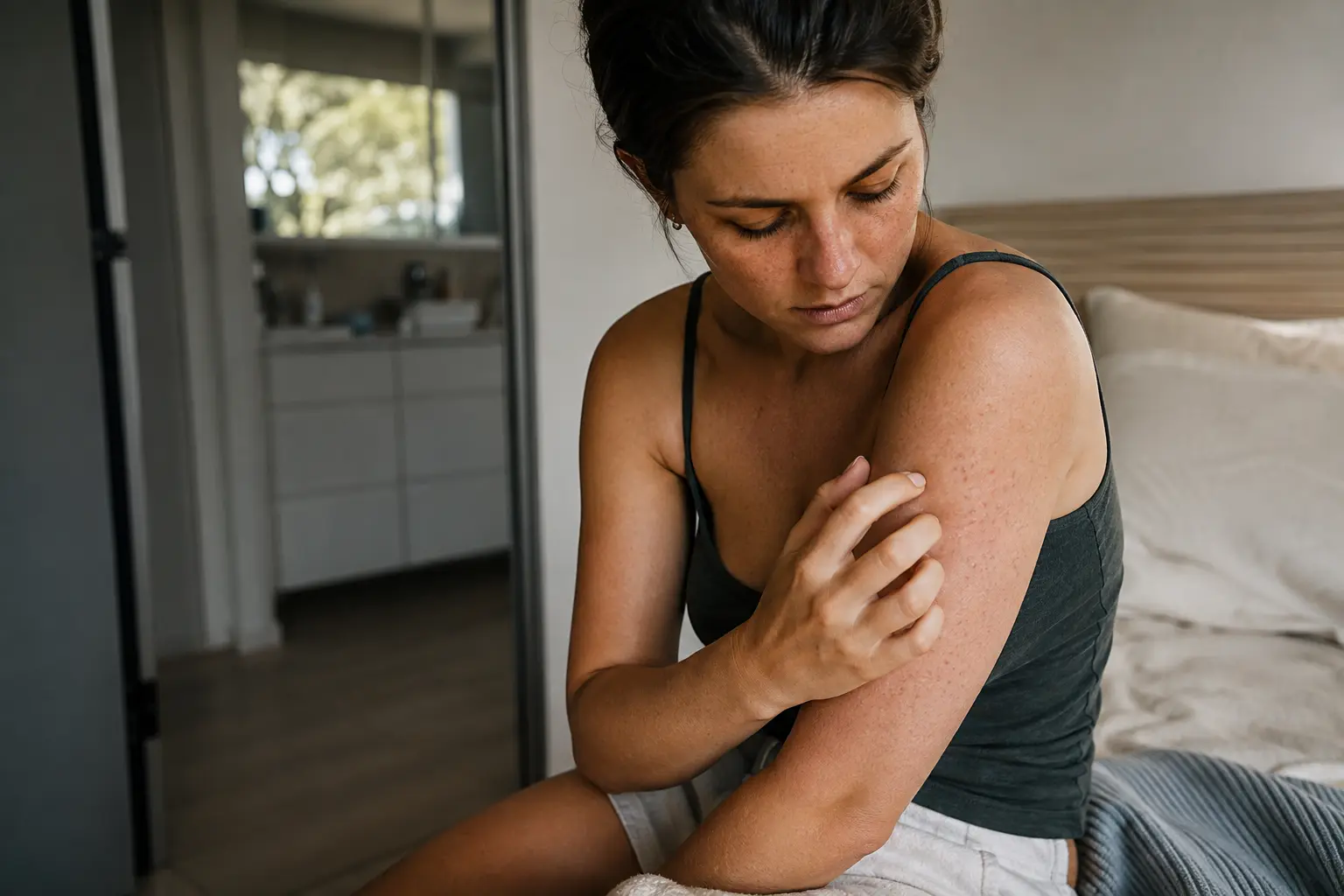
Those tiny, rough bumps spreading across your arms and legs aren’t going away on their own, and a solid keratosis pilaris routine might be exactly what your skin has been waiting for.
Understanding keratosis pilaris
Keratosis pilaris, commonly called chicken skin, is a harmless but often frustrating skin condition that affects many people, particularly as they age. The condition shows up as small, rough bumps that can appear red, pink, or flesh-colored, typically clustering on the upper arms, thighs, buttocks, and sometimes the cheeks. For seniors, these bumps can feel especially noticeable because skin naturally becomes thinner and more sensitive with age, making the texture changes more apparent. Imagine running your hand across your arm and feeling a subtle sandpaper-like texture instead of smooth skin. That tactile experience is what many people describe when they first notice keratosis pilaris developing. The bumps themselves are painless and don’t pose any health risk, but the cosmetic concern and occasional itchiness can affect how people feel about their appearance and comfort in their own skin.
Causes of keratosis pilaris
The root cause of keratosis pilaris lies in how your body produces and manages keratin, a protective protein naturally found in skin, hair, and nails. In people with this condition, keratin accumulates and hardens around hair follicles, essentially creating tiny plugs that block the normal exit of hair and dead skin cells. Think of it like a drain that’s slowly getting clogged with debris. Over time, this buildup creates the characteristic bumpy texture. Scientists believe genetics play a significant role, meaning if your parents had keratosis pilaris, you’re more likely to develop it too. Environmental factors also contribute, particularly dry skin, cold weather, and low humidity, which can worsen the condition seasonally. For seniors, reduced skin moisture production and thinner skin can make keratosis pilaris more pronounced. Additionally, certain skin conditions like eczema or ichthyosis often occur alongside keratosis pilaris, suggesting shared underlying factors in how the skin functions.
Effective keratosis pilaris routines
A scientifically-informed keratosis pilaris routine combines three core strategies that work together to address the underlying causes. First, gentle exfoliation helps remove the dead skin cells and keratin buildup that create those bumps. Using a soft washcloth, a mild chemical exfoliant with lactic acid or salicylic acid, or a gentle physical scrub two to three times weekly can gradually smooth the skin without causing irritation. Second, consistent moisturizing is absolutely critical because dry skin worsens keratosis pilaris significantly. Look for creams or lotions containing urea, lactic acid, or ceramides, which actively hydrate and help soften the keratin plugs. Apply moisturizer immediately after bathing when skin is still slightly damp to lock in hydration. Third, avoid harsh soaps, very hot water, and aggressive scrubbing, which strip the skin’s natural oils and trigger inflammation. A realistic routine might look like this: shower with lukewarm water and a gentle cleanser, pat skin dry, apply exfoliant two or three times weekly, then moisturize daily. Many seniors find that this simple, consistent approach produces noticeable improvement within four to six weeks.
- Gentle exfoliation with a mild scrub
- Regular moisturizing with lotions containing urea or lactic acid
- Avoiding harsh soaps and hot water
🔬 Science-backed benefits in 2 minuteschoose where to begin:
Managing keratosis pilaris flare-ups
Flare-ups happen, especially during winter months or when stress levels spike. During these times, the urge to scratch or pick at the bumps becomes almost irresistible, but doing so can lead to skin irritation, temporary redness, and in some cases, scarring or post-inflammatory discoloration. Picture this scenario: a senior notices their keratosis pilaris bumps are particularly itchy and inflamed after a week of cold, dry weather. Instead of scratching, applying a cold compress for ten to fifteen minutes can numb the itch and reduce inflammation significantly. Anti-itch creams containing hydrocortisone or calamine can provide temporary relief. During flare-ups, dial back physical exfoliation and focus instead on gentle cleansing and extra moisturizing. Some people find that taking shorter, lukewarm baths or showers and using a humidifier in their bedroom helps prevent flare-ups altogether. Keeping fingernails trimmed short also reduces accidental damage from scratching during sleep.
Consulting a dermatologist
While home routines work well for many seniors, keratosis pilaris sometimes requires professional intervention, especially if the condition is severe, spreading, or causing significant discomfort. A dermatologist can confirm the diagnosis and rule out other skin conditions that might look similar. They can prescribe stronger treatments such as topical retinoids, which increase skin cell turnover and reduce keratin buildup more effectively than over-the-counter products. For more stubborn cases, dermatologists may recommend laser therapy or microdermabrasion, which physically remove the outer layers of skin and smooth the texture. Some newer approaches use chemical peels with higher concentrations of glycolic or salicylic acid. A dermatologist can also assess whether your keratosis pilaris is connected to other skin conditions like eczema or dry skin disorders that might benefit from additional treatment. If you’ve been following a consistent routine for eight to twelve weeks without improvement, or if the condition is worsening, scheduling a consultation makes sense.
Conclusion
Keratosis pilaris doesn’t have to be a permanent frustration. The science is clear: gentle exfoliation, consistent moisturizing, and avoiding skin irritants form the foundation of an effective keratosis pilaris routine that works for seniors. These approaches address the underlying causes by reducing keratin buildup and maintaining skin hydration. Most people see meaningful improvement within a few weeks of starting a dedicated routine, though patience and consistency are essential. The key is finding products and techniques that feel comfortable for your skin and sticking with them long-term. Remember that keratosis pilaris is incredibly common and nothing to feel self-conscious about. By understanding how and why this condition develops, you’re already taking the first step toward managing it effectively and reclaiming smooth, comfortable skin.
Keratosis pilaris is a common, harmless skin condition characterized by rough bumps caused by keratin buildup in hair follicles. Scientifically-backed routines combining gentle exfoliation, consistent moisturizing with urea or lactic acid, and avoiding harsh soaps can help seniors manage symptoms effectively and improve skin appearance.
Can keratosis pilaris be cured?
Keratosis pilaris is a chronic condition, meaning it tends to persist over time, but it is highly manageable. Effective routines and treatments can significantly minimize symptoms and improve skin appearance. Many people find that consistent care keeps the condition well-controlled, though it may return if routines are abandoned.
Are there specific moisturizers that work best for keratosis pilaris?
Moisturizers containing urea, lactic acid, or ceramides are particularly effective because they actively hydrate the skin and help soften keratin buildup. Look for products labeled as moisturizing creams rather than lightweight lotions, and apply them to damp skin right after bathing for maximum absorption and benefit.
Others also read:
Disclaimer: This article is for informational purposes only and is not a substitute for professional medical advice. Always consult a healthcare professional for personal guidance.
This article has been prepared and reviewed by the GlobalHealthBeacon editorial team and is based on current medical research and published scientific literature available in 2026. It provides structured, evidence-based information to support informed health decisions.
