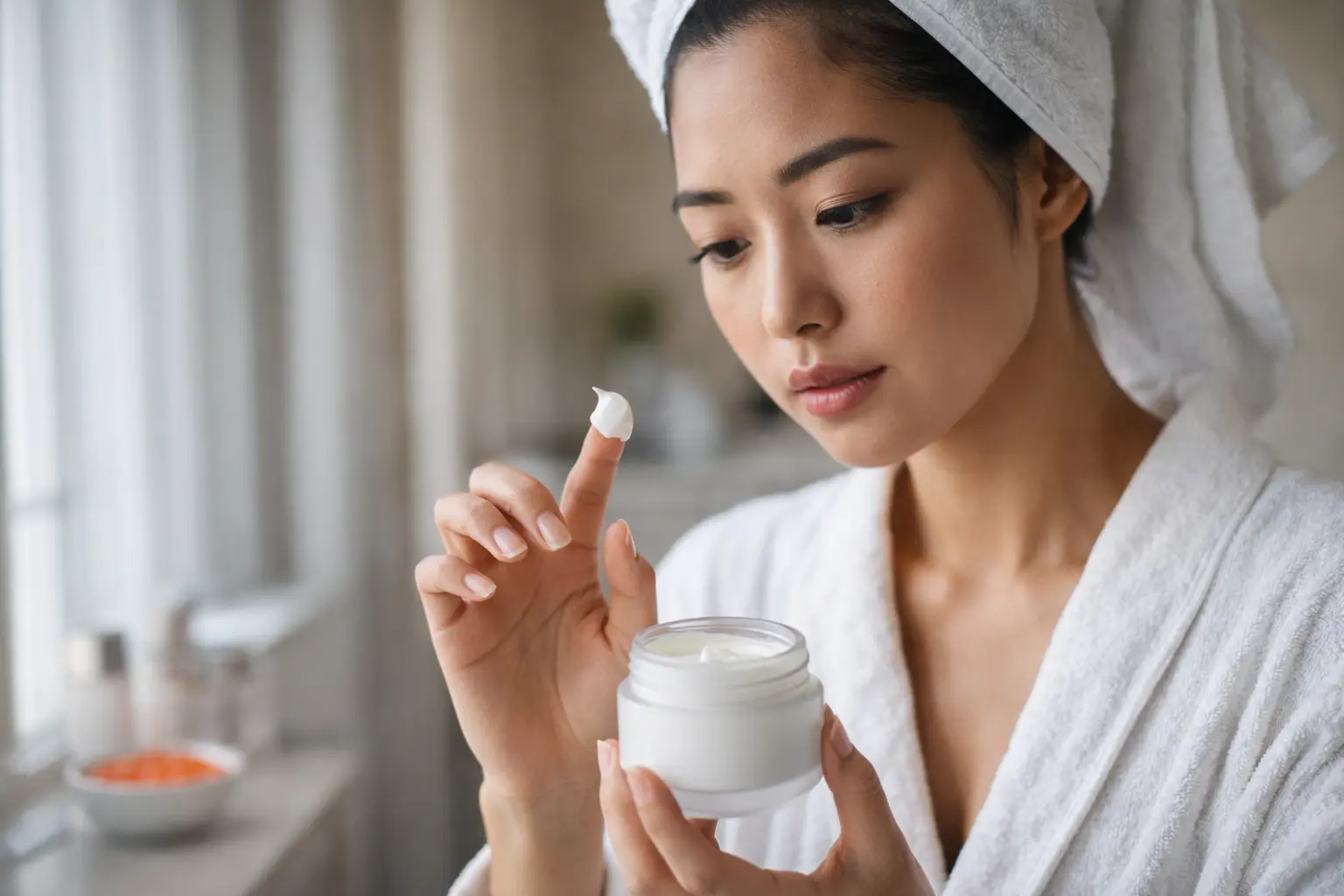
Your skin feels tight, reactive, and honestly confused by all the conflicting advice out there, and Korean skincare explained might actually be the reset button you need instead of another expensive serum that does nothing.
Understanding the 10-step routine
The famous 10-step Korean skincare routine may sound daunting at first, but think of it like building a house: you need a solid foundation before adding the decorative details. Each step builds on the previous one, creating layers of protection and nourishment. Start with double cleansing, which removes both oil-based impurities like makeup and sunscreen, then water-soluble dirt and sweat. Next comes toner to balance pH, followed by essence to jumpstart hydration at the cellular level. Then layer in serums targeting your specific concerns, whether thats brightening, anti-aging, or calming inflammation. Add an emulsion for lightweight moisture, a sheet mask for intensive treatment, eye cream for delicate skin, moisturizer to seal everything in, and finally sunscreen during the day. The order matters because each product has a different molecular weight and texture. Lighter products go first so they can penetrate deeply, while heavier ones seal the benefits in. Youre not just applying random products; youre creating a strategic system that addresses multiple skin concerns simultaneously.
- Cleanse your face twice, first with an oil-based cleanser and then with a water-based one.
- Incorporate toner to balance your skin’s pH levels and prepare it for further products.
- Use essence to hydrate and boost skin cell renewal, followed by serums to target specific concerns.
Choosing the right products
Walking into a Korean beauty store can feel overwhelming when you see hundreds of options, but the key is matching products to your actual skin type and concerns, not just grabbing what looks pretty. If you have dry skin, prioritize ingredients like hyaluronic acid, which holds up to 1000 times its weight in water, and glycerin for deep hydration. For oily or acne-prone skin, look for niacinamide to regulate sebum production and salicylic acid to unclog pores. Sensitive skin benefits from snail mucin, which repairs the skin barrier and reduces redness, or centella asiatica to calm inflammation. Combination skin requires a mixed approach: use lightweight hydrating products on oily zones and richer creams on dry areas. Start by identifying your skin type through observation, not guessing. Does your T-zone get shiny by noon? Are your cheeks tight after cleansing? Write these observations down and use them as your shopping guide. Many Korean brands offer sample sizes, so test products for at least two weeks before committing to full-size bottles. Your skin needs time to adjust, and what works for your friend might cause breakouts for you.
📘 Fix your day in under 2 minuteschoose where to begin:
Sun protection is key
Sunscreen isnt optional in Korean skincare; its considered the most important anti-aging product you can use, even more powerful than expensive serums or creams. UV damage causes 80 percent of visible aging, including wrinkles, age spots, and leathery texture. A broad-spectrum SPF 30 minimum blocks 97 percent of UVB rays, while SPF 50 blocks 98 percent, so the jump from 30 to 50 is minimal but still worthwhile. Korean sunscreens are known for being lightweight and cosmetically elegant, unlike the thick, white-cast formulas many grew up with. They blend seamlessly into skin and feel more like a moisturizer than a protective barrier. Apply sunscreen as your final step in the morning routine, about 15 minutes before sun exposure, and reapply every two hours if youre outdoors. Many young adults skip this step thinking they dont need it on cloudy days or when staying indoors, but UV rays penetrate clouds and reflect off windows. Make sunscreen non-negotiable, and youll see the difference in your skin texture and tone within months.
Patience and consistency are vital
Korean skincare results dont happen overnight, and thats actually a good sign because it means youre making real, lasting changes to your skin rather than chasing quick fixes. Your skin cells turnover every 28 days, so expect to wait at least four to six weeks before noticing significant improvements. Many people quit after two weeks because they dont see results, but thats when your skin is still adjusting to new ingredients. Start with one new product at a time so you can identify what actually works and what causes reactions. If you introduce five products simultaneously and your skin breaks out, you wont know which one is the culprit. Create a simple routine first, master it, then gradually add complexity. Keep a skincare journal noting what you use, how your skin responds, and any changes you observe. This becomes invaluable data for troubleshooting and understanding your skins unique needs. Consistency matters more than perfection; using the same routine every day for three months beats switching products weekly.
Listen to your skin
Your skin is constantly communicating through texture, tone, sensitivity, and breakout patterns, but most people ignore these signals and keep pushing forward with routines that dont work. If a product causes redness, stinging, or itching that lasts more than a few minutes, stop using it immediately. Your skin barrier might be compromised, and continuing will only worsen the situation. Pay attention to seasonal changes too; your skin likely needs more hydration in winter and lighter products in summer. What worked beautifully in January might feel suffocating by July. Take photos of your skin monthly to track progress objectively, because our perception shifts daily based on lighting and mood. If after three months of consistent use your skin hasnt improved or has gotten worse, reassess your routine. Consider consulting a dermatologist who can examine your skin under magnification and recommend products tailored to your specific condition rather than guessing based on general skin type. A professional can also identify underlying issues like rosacea, eczema, or fungal infections that require different approaches than standard acne or dryness.
The Korean skincare routine is a multi-step process designed to promote healthy, radiant skin. Understanding the steps, choosing the right products, prioritizing sun protection, practicing patience, and listening to your skin are essential for a successful skincare journey.
Is the 10-step Korean skincare routine suitable for all skin types?
While the 10-step routine works for many, it’s essential to customize it based on your skin’s unique needs. Some may find success with a condensed version of the routine, focusing on the key steps that benefit their skin the most.
Can Korean skincare products help with acne-prone skin?
Korean skincare offers a variety of products suitable for acne-prone skin, such as gentle cleansers, calming serums, and spot treatments. Look for ingredients like salicylic acid and tea tree oil to target acne effectively.
Disclaimer: This article is for informational purposes only and is not a substitute for professional medical advice. Always consult a healthcare professional for personal guidance.
This guide has been prepared and reviewed by the GlobalHealthBeacon editorial team and reflects current medical research as of 2026. It provides structured, evidence-based information to support informed health decisions.
