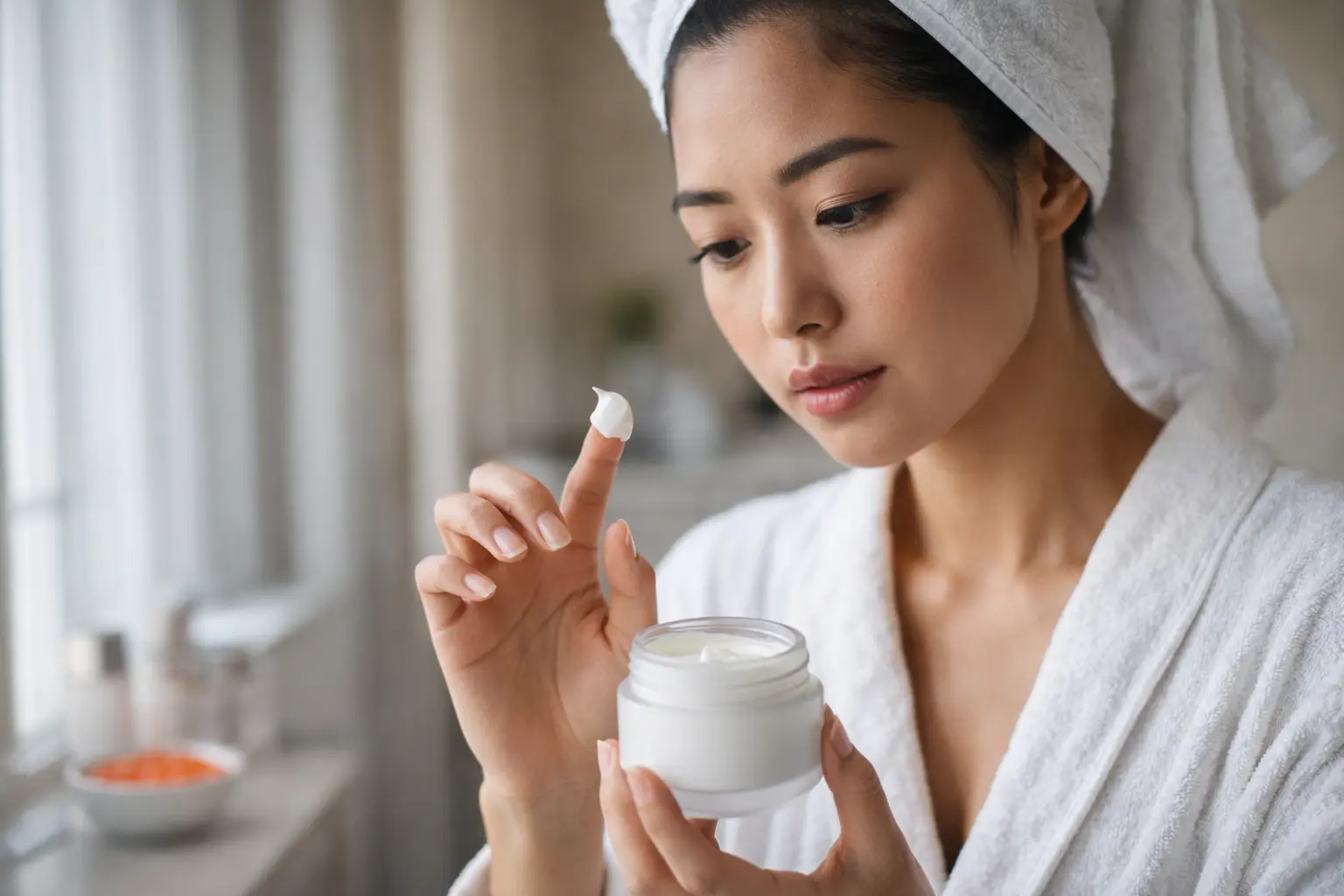
Your skin feels dull, reactive, and nothing you try seems to stick around long enough to actually work, but then you hear about Korean skincare and suddenly everyone’s glowing like they’ve cracked some secret code – here’s the korean skincare explained breakdown that finally makes sense of why it actually works.
The science of Korean skincare ingredients
Korean skincare products have gained international recognition not by accident, but through decades of research into bioactive compounds that address skin at the cellular level. Snail mucin, for instance, contains glycoproteins and hyaluronic acid that penetrate the stratum corneum and bind water molecules, creating a plumping effect that reduces the appearance of fine lines. Niacinamide, another cornerstone ingredient, regulates sebum production while strengthening the skin barrier through ceramide synthesis. What makes Korean formulations distinct is how they combine these ingredients strategically. A woman dealing with dehydrated, sensitive skin might use a snail mucin essence followed by a niacinamide serum, allowing each compound to work synergistically rather than competing for absorption. The innovation lies not just in individual ingredients but in understanding how they interact with skin biology. Korean beauty brands invest heavily in fermentation technology, which breaks down plant compounds into smaller molecular weights for deeper penetration. This scientific approach transforms skincare from a surface-level routine into a targeted intervention addressing underlying biological processes.
The power of layering in Korean skincare
The layering technique in Korean skincare is rooted in pharmaceutical delivery science. Each product is formulated with specific viscosity and pH levels designed to work in sequence. Think of it like building a foundation: you wouldn’t apply cement before laying the base, and similarly, applying a heavy moisturizer before a hydrating toner would create an occlusive barrier that prevents lighter products from penetrating. The typical progression moves from thinnest to thickest consistency, allowing each layer to absorb fully before the next application. A woman with combination skin might apply a hydrating toner first, which preps the skin and adjusts pH to around 5.5, making it optimal for serum absorption. Then comes the essence, which delivers hydration and active ingredients. Next, a lightweight serum targets specific concerns like hyperpigmentation or texture. Finally, a gel or cream moisturizer seals everything in. This isn’t arbitrary; it’s based on how the skin’s natural pH and moisture gradient work. When products are layered correctly, each one penetrates more effectively than if applied alone. Studies show that proper layering can increase ingredient bioavailability by up to 40 percent compared to haphazard application.
Understanding the Korean skincare routine
A complete Korean skincare routine typically follows a structured sequence that addresses multiple skin concerns simultaneously. Double cleansing begins the process by first using an oil-based cleanser that dissolves makeup, sunscreen, and sebum-based impurities without stripping the skin. This is followed by a water-based cleanser that removes any remaining residue and water-soluble particles. This two-step approach is gentler than aggressive scrubbing and respects the skin’s natural lipid barrier. Exfoliation comes next, but Korean skincare emphasizes gentle, chemical exfoliation over physical scrubbing. Ingredients like AHAs and BHAs dissolve dead skin cells enzymatically, revealing fresher skin beneath without micro-tears. Toning is where many Western routines fall short. Korean toners aren’t astringent; they’re hydrating essences that restore pH balance after cleansing and prime the skin for better absorption of subsequent products. This foundation sets the stage for the more active treatments that follow.
- Essence represents the heart of Korean skincare, delivering lightweight hydration and sometimes active ingredients like fermented ingredients or botanical extracts that work gently but effectively.
- Serums and ampoules are concentrated treatments targeting specific concerns such as dark spots, texture irregularities, or loss of elasticity, allowing women to customize their routine to their unique skin needs.
- Moisturizing and sun protection seal the routine by locking in all previous layers and providing a crucial barrier against UV damage, which is the primary driver of premature aging and skin damage.
🔬 Science-backed benefits in 2 minuteschoose where to begin:
The importance of consistency in Korean skincare
Consistency in skincare isn’t just about daily habit; it’s about allowing biological processes to complete their cycle. Skin cells turn over approximately every 28 days, meaning visible improvements in texture, tone, and clarity require at least four weeks of consistent application. Many women abandon routines after two weeks, mistaking the initial adjustment period for ineffectiveness. When you introduce new products, your skin may experience slight purging as it accelerates cell turnover, which can feel counterintuitive but is actually a positive sign. A woman starting a Korean routine with niacinamide and gentle exfoliation might notice small breakouts in the first week as congested pores clear. By week three, skin texture smooths noticeably. By week six, tone becomes more even and radiance improves. The key is understanding that skincare is cumulative. Each application builds on the last, strengthening the barrier, improving hydration levels, and allowing active ingredients to create lasting changes in skin structure. Skipping days or frequently switching products prevents this accumulation, which is why dermatologists recommend committing to a routine for at least six to eight weeks before evaluating results.
The role of traditional Korean skincare practices
Beyond product application, traditional Korean skincare incorporates physical techniques that enhance circulation and lymphatic function. Gua sha, an ancient practice using smooth stones to massage the face, stimulates blood flow to the skin and encourages lymphatic drainage, reducing puffiness and promoting a healthy flush. Facial massage techniques, often performed with upward strokes following the natural contours of the face, activate muscles beneath the skin and improve nutrient delivery. These practices aren’t merely relaxing; they have measurable physiological effects. Regular facial massage increases collagen production by stimulating fibroblasts, the cells responsible for maintaining skin firmness. A woman incorporating a five-minute gua sha session into her evening routine might notice reduced morning puffiness within days and improved skin texture within weeks. The combination of product application with these manual techniques creates a holistic approach that addresses skin from multiple angles. Korean beauty culture recognizes that healthy skin requires both internal biological support through products and external mechanical stimulation through massage and tools. This integrated philosophy explains why Korean women often have visibly radiant skin even without heavy makeup.
Understanding the science behind sheet masks
Sheet masks represent a concentrated delivery system for active ingredients, and their effectiveness is grounded in occlusive chemistry. The mask material, typically made from cellulose, cotton, or bio-cellulose, holds a serum-soaked formula against the skin while creating a moisture-rich microenvironment. This occlusion increases skin hydration and enhances transepidermal water loss prevention, allowing ingredients to penetrate more deeply than they would in a standard product. The serum itself is often formulated with higher concentrations of active ingredients than daily products, making sheet masks ideal for intensive treatments. A woman using a sheet mask with hyaluronic acid and niacinamide for 15 to 20 minutes experiences immediate plumping as the skin absorbs moisture, but the benefits extend beyond the application. The hydration boost primes the skin barrier, making it more receptive to subsequent products. Korean beauty routines often incorporate sheet masks two to three times weekly as targeted interventions for specific concerns like dehydration, sensitivity, or dullness. The occlusive nature means ingredients remain in contact with skin longer, increasing absorption rates significantly compared to rinse-off products. This is why sheet masks deliver such visible, immediate results and have become a staple in Korean skincare culture.
Korean skincare’s scientific efficacy emerges from the convergence of innovative ingredient chemistry, strategic layering based on absorption science, consistent application allowing cellular turnover, integration of traditional practices that enhance circulation, and concentrated delivery systems like sheet masks. Women who understand these biological mechanisms can move beyond following trends and instead build personalized routines grounded in how skin actually functions. The philosophy underlying Korean skincare recognizes that radiant, healthy skin results from respecting the skin’s natural processes while supporting them with targeted interventions. By combining scientifically formulated products with consistent practice and traditional techniques, women can achieve visible improvements in texture, tone, clarity, and overall skin health that extend far beyond surface-level cosmetic effects.
Are Korean skincare products suitable for all skin types?
Yes, Korean skincare offers formulations across the entire spectrum of skin concerns. The beauty of the Korean approach is its emphasis on customization. Women with oily skin can use lightweight essences and gel moisturizers, while those with dry skin benefit from richer creams and occlusive serums. Sensitive skin types have access to gentle, fermented ingredients and barrier-supporting formulas. The layering system also allows customization; a woman with combination skin might use different products on different zones. Rather than a one-size-fits-all approach, Korean skincare encourages understanding your skin’s unique needs and selecting products accordingly.
How long does it take to see results from a Korean skincare routine?
Results vary based on individual skin conditions and the specific concerns being addressed. Hydration improvements and immediate plumping effects from sheet masks or essences can appear within days. However, meaningful changes in skin texture, tone evening, and reduction of fine lines typically require four to eight weeks of consistent application, as these changes depend on cellular turnover and collagen remodeling. More stubborn concerns like hyperpigmentation or significant texture irregularities may require three to six months of dedicated use. The key is consistency; sporadic application prevents the cumulative benefits that make Korean skincare so effective.
Others also read:
Disclaimer: This article is for informational purposes only and is not a substitute for professional medical advice. Always consult a healthcare professional for personal guidance.
This article has been prepared and reviewed by the GlobalHealthBeacon editorial team and is based on current medical research and published scientific literature available in 2026. It provides structured, evidence-based information to support informed health decisions.
