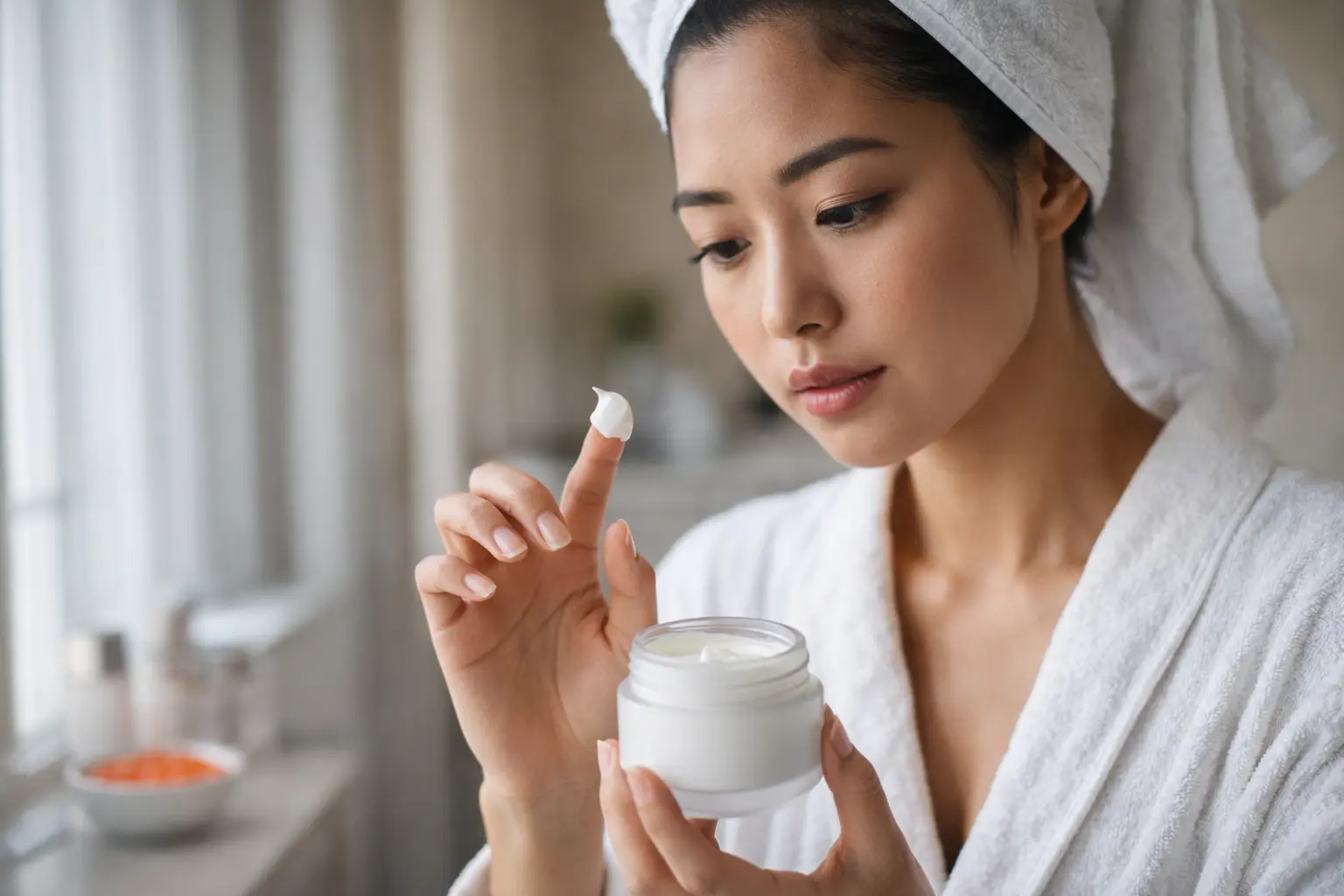
Your skin feels tight after cleansing, looks dull no matter what you try, and breaks out when you switch products, but korean skincare explained shows you that your barrier is probably just screaming for help and there’s actual science behind why the multi-step routines everyone raves about actually work.
Skin barrier function
Your skin barrier is essentially your body’s first line of defense, a sophisticated multilayered structure composed of lipids, proteins, and water that shields you from environmental aggressors like UV radiation, pollution, and pathogens. Think of it like a brick wall where the skin cells are bricks and lipids are the mortar holding everything together. When this barrier weakens, moisture escapes and irritants penetrate deeper, leading to sensitivity, dryness, and inflammation. Korean skincare philosophy recognizes that many skin problems stem from a compromised barrier rather than needing aggressive treatments. By focusing on strengthening this protective layer through hydrating and nourishing ingredients like ceramides and peptides, the skin naturally becomes more resilient. Young adults often damage their barrier through over-exfoliation or using products too strong for their skin type, then wonder why their complexion looks worse. The key insight is that a healthy barrier doesn’t just look better; it functions better, absorbs beneficial ingredients more effectively, and maintains its own pH balance without constant intervention.
Innovative formulations
Korean skincare brands have pioneered advanced formulation techniques that deliver active ingredients in forms your skin can actually use. Hyaluronic acid, for instance, is a humectant that can hold up to 1000 times its weight in water, drawing moisture from the air and deeper skin layers into the epidermis. Ceramides work differently by filling gaps between skin cells and reinforcing the lipid barrier. Niacinamide regulates sebum production while reducing inflammation, making it useful for both oily and sensitive skin types. What makes Korean formulations distinctive is the layering philosophy: products are designed to work synergistically, with lighter textures applied first so heavier creams don’t block their penetration. Many young adults make the mistake of assuming more expensive means better, but Korean brands have democratized skincare by proving that thoughtful ingredient selection and proper formulation matter more than price tags. Peptides stimulate collagen production, fermented ingredients enhance absorption, and plant extracts provide antioxidant protection. Understanding what each ingredient does helps you build a routine that actually addresses your specific concerns rather than following trends blindly.
Key steps in a Korean skincare routine
The Korean skincare routine typically follows a structured sequence that builds on each step’s purpose. Double cleansing starts with an oil-based cleanser that dissolves makeup, sunscreen, and sebum without disrupting the skin barrier, followed by a water-based cleanser to remove water-soluble impurities and the oil cleanser residue. This two-step approach is gentler than aggressive single cleansers and prevents the tight, stripped feeling many young adults experience. Toner comes next, and contrary to Western misconceptions, Korean toners are hydrating essences rather than astringent alcohol-based products. They balance pH after cleansing and prepare the skin to absorb subsequent products more effectively. Essence is where the magic happens for many people: this lightweight, nutrient-dense step delivers active ingredients deep into the skin while the pores are still receptive. A common mistake is skipping essence thinking moisturizer alone is enough, but essence penetrates differently and works synergistically with heavier products. The routine then progresses to targeted treatments like serums addressing specific concerns, followed by moisturizer to seal everything in and prevent transepidermal water loss. Finishing with SPF during the day is non-negotiable because all the hydration and treatment means nothing if UV damage is accumulating underneath.
- Apply a serum to target specific skin concerns like hyperpigmentation, texture, or sensitivity.
- Moisturize to lock in hydration and prevent moisture loss throughout the day or night.
- Finish with SPF to protect against UV damage and prevent premature aging.
🔬 Science-backed benefits in 2 minuteschoose where to begin:
Role of exfoliation
Exfoliation removes dead skin cells that accumulate on the surface, blocking light reflection and preventing other products from penetrating effectively. Korean skincare distinguishes between physical exfoliation (scrubs, brushes) and chemical exfoliation (acids, enzymes), with chemical methods generally preferred because they’re gentler and more precise. Alpha hydroxy acids like glycolic acid dissolve the bonds between dead cells, while beta hydroxy acids like salicylic acid penetrate pores to clear congestion. Many young adults over-exfoliate, using harsh scrubs multiple times weekly and damaging their barrier in the process, then wondering why their skin becomes more sensitive and reactive. The science shows that gentle, consistent exfoliation two to three times weekly is more effective than aggressive weekly treatments. After exfoliation, skin cell turnover accelerates, revealing fresher skin underneath and dramatically improving how subsequent products absorb. This is why people notice glowing skin after starting exfoliation, but only when done correctly. Korean brands often formulate exfoliants with soothing ingredients like centella asiatica so the process feels gentle rather than harsh. The key is finding your skin’s tolerance level and respecting it, because a compromised barrier from over-exfoliation negates all the benefits.
Importance of sun protection
Sunscreen is the single most evidence-backed anti-aging product available, yet many young adults skip it thinking sun damage only matters later in life. The reality is that cumulative UV exposure starts damaging skin immediately, with effects compounding over years. UVA rays penetrate deeply and cause collagen breakdown and premature aging, while UVB rays burn the surface and increase skin cancer risk. Korean skincare treats sunscreen as a non-negotiable daily step, not an optional summer product, because UV damage is invisible until years later when fine lines, dark spots, and leathery texture appear. Many young adults avoid sunscreen thinking it will clog pores or feel heavy, but Korean formulations have solved this through innovations like mineral sunscreens with silky textures and chemical sunscreens that absorb quickly without white cast. The mistake most people make is applying too little; you need about a quarter teaspoon for your face to achieve the SPF rating on the bottle. Reapplication every two hours is ideal but often impractical, so using a high SPF daily is the realistic approach. The science is clear: someone who uses SPF 30 daily will have dramatically better skin at age 40 than someone who doesn’t, regardless of other products used. This single step prevents more aging than any expensive serum or treatment.
Hydration boost
Hydration is foundational to Korean skincare because well-hydrated skin functions optimally, looks plump and glowing, and is more resilient to irritation and inflammation. Sheet masks deliver concentrated serums directly to the skin for 10 to 20 minutes, allowing ingredients to penetrate deeply while the occlusive nature of the mask prevents evaporation. Many young adults use sheet masks occasionally for special occasions, but Korean skincare treats them as regular maintenance tools, with some people using them several times weekly. Hydrating serums contain humectants like hyaluronic acid and glycerin that draw moisture into the skin, while sleeping masks seal everything in overnight for intensive hydration. The difference between dehydrated and dry skin matters: dehydrated skin lacks water but may produce excess oil as a compensation mechanism, while dry skin lacks natural oils. Understanding your specific hydration needs prevents wasting money on products that don’t address your actual problem. A common scenario is someone with oily, dehydrated skin using heavy creams thinking they need more oil, when actually they need lightweight hydrating layers. The Korean approach layers hydration strategically, building moisture gradually through essence, toner, and serums before sealing with appropriate moisturizer. This method works for all skin types because hydration is universal, while oil content varies individually.
Korean skincare combines innovative formulations with a focus on strengthening the skin barrier to achieve radiant, healthy skin. Following a step-by-step routine that includes exfoliation and sun protection can help young adults achieve the desired results.
Are Korean skincare products suitable for all skin types?
Korean skincare products cater to a variety of skin types, offering options for oily, dry, combination, and sensitive skin. It’s essential to choose products based on individual skin concerns.
Can Korean skincare routines be customized?
Yes, Korean skincare routines can be adjusted based on skin needs and preferences. It’s possible to personalize the regimen by incorporating specific products for targeted results.
Others also read:
Disclaimer: This article is for informational purposes only and is not a substitute for professional medical advice. Always consult a healthcare professional for personal guidance.
This article has been prepared and reviewed by the GlobalHealthBeacon editorial team and is based on current medical research and published scientific literature available in 2026. It provides structured, evidence-based information to support informed health decisions.
