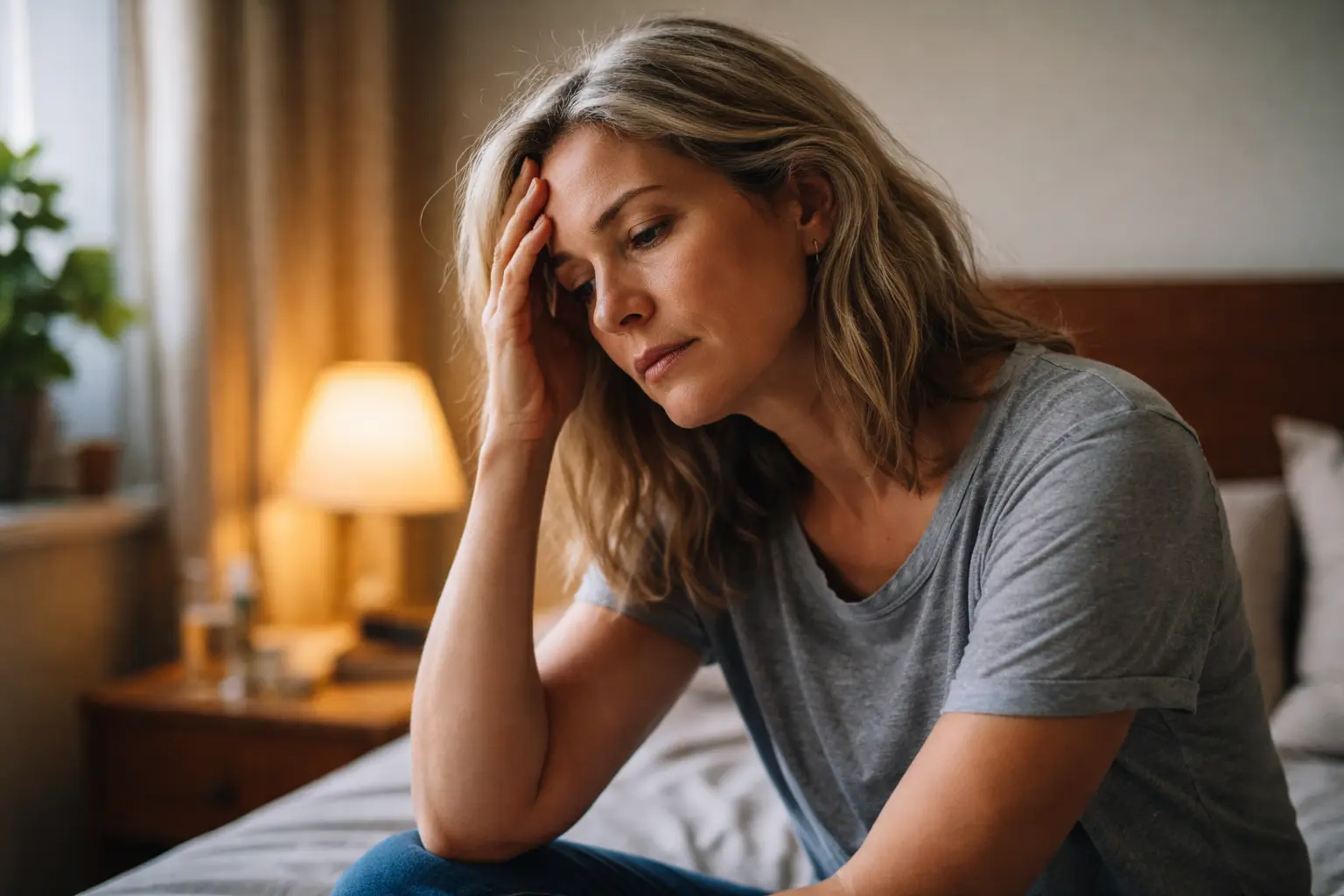
Your clothes don’t fit the same way, you’re exhausted by mid-afternoon, and your mood swings feel unpredictable – these aren’t just signs of aging, they’re signals that your hormones need support, and lifestyle practices for hormonal balance might be exactly what you’ve been searching for.
Nutrition and hormonal health
Think back to the last time you felt truly energized after eating. That’s what proper nutrition does for your hormones. I’ve watched seniors transform their energy levels simply by shifting what they put on their plates. One woman I know, Margaret, realized her afternoon crashes were tied to her morning pastry habit. When she switched to eggs with whole grain toast and berries, her energy stabilized within weeks. Nutrition isn’t about restriction – it’s about feeding your body the raw materials it needs to keep hormones in check. Whole foods rich in nutrients like leafy greens, wild-caught salmon, almonds, and sweet potatoes contain the vitamins and minerals your endocrine system relies on. The fiber in these foods helps regulate blood sugar, which directly impacts hormone production. When blood sugar spikes and crashes, your cortisol and insulin go haywire. Processed foods and refined sugars create that exact chaos in your system.
- Include plenty of fiber-rich foods in your diet to aid digestion and regulate blood sugar levels.
- Avoid processed foods, refined sugars, and excessive caffeine, which can disrupt hormonal balance.
- Stay hydrated by drinking plenty of water throughout the day to support overall health and hormone function.
Exercise and hormonal balance
You don’t need to become a gym person to move your hormones in the right direction. I’ve seen seniors find their groove with activities that actually feel good – not like punishment. A 68-year-old named Robert started with just 20-minute walks around his neighborhood three times a week. Within a month, he noticed his mood lifted and his sleep improved. That’s the magic of consistent movement. Exercise reduces cortisol, your stress hormone, which tends to run high as we age. It also increases endorphins, those feel-good chemicals your brain craves. Yoga, swimming, cycling, or even gardening count. The key is finding something you’ll actually do, not something you think you should do. Strength training matters too – it helps maintain muscle mass, which naturally declines with age and affects how your body processes hormones. You’re not training for a marathon; you’re training for better hormone function and feeling like yourself again.
💬 Ready to feel better in 2 minutes?choose where to begin:
Sleep and hormonal harmony
Your hormones have a schedule, and it’s tied to your sleep cycle. When you shortchange yourself on sleep, you’re essentially telling your body to produce more cortisol and less of the calming hormones you need. I know seniors who’ve struggled with insomnia for years, only to discover that their irregular sleep was the root of their hormonal chaos. Your body needs that 7 to 9 hour window to complete its repair cycles. During deep sleep, your pituitary gland releases growth hormone, melatonin production stabilizes, and insulin sensitivity improves. Without it, everything goes sideways. Creating a sleep ritual matters – no screens an hour before bed, keeping your room cool and dark, and going to bed at the same time each night. It sounds simple, but consistency is where the transformation happens. One gentleman I know set a phone reminder for 9 PM as his wind-down signal, and his entire hormonal picture shifted within two months.
Stress management for hormonal health
Chronic stress is like a slow poison for your hormones. Your body pumps cortisol constantly when you’re anxious or overwhelmed, and over time, this exhausts your adrenal glands and throws everything else out of balance. I’ve met seniors who didn’t realize how much their worry was affecting their physical health. One woman, Patricia, started a daily 10-minute meditation practice after her doctor suggested it. She wasn’t expecting much, but within weeks her hot flashes decreased and her energy stabilized. Stress-reducing practices like deep breathing, meditation, time in nature, or even journaling give your nervous system permission to calm down. When you’re calm, your body produces less cortisol and more serotonin and dopamine. These aren’t luxuries – they’re biological necessities. Even a short walk in a park, listening to music you love, or sitting quietly with a cup of tea counts. The goal is interrupting the stress cycle regularly enough that your hormones can reset.
Balancing hormones requires a holistic approach including nutrition, exercise, sleep, and stress management. By making lifestyle changes in these areas, seniors can support their hormonal health and overall wellbeing.
Can lifestyle changes alone balance hormones?
While lifestyle changes can positively impact hormonal balance, some individuals may require medical intervention or supplementation for more severe hormonal imbalances. Always consult with a healthcare professional for personalized advice.
How long does it take to see results from lifestyle changes?
The timeframe for seeing noticeable improvements in hormonal balance through lifestyle changes can vary depending on individual factors. Consistency and patience are key in achieving lasting results.
Others also read:
Disclaimer: This article is for informational purposes only and is not a substitute for professional medical advice. Always consult a healthcare professional for personal guidance.
This article presents an experience-based perspective and has been reviewed by the GlobalHealthBeacon editorial team in 2026. It provides structured, evidence-based information to support informed health decisions.
← Back to the main lifestyle practices for hormonal balance page
