Your knees ache when you climb stairs, your doctor says you need more cardio, but the thought of pounding a treadmill makes you wince, so you’re stuck wondering if staying active is even possible for you anymore, until you discover low impact cardio options that actually work with your body instead of against it.
Benefits of low impact cardio
Low impact cardio exercises are ideal for seniors because they protect your joints while delivering real cardiovascular benefits. When you walk, swim, cycle, or use an elliptical machine, you’re moving your body in ways that strengthen your heart without the jarring impact of running or high-intensity workouts. Think of it this way: a 68-year-old with mild arthritis can walk for 30 minutes daily and see measurable improvements in heart health, blood pressure, and energy levels within weeks. Low impact activities keep one foot or both feet in contact with the ground or water, distributing your weight evenly and reducing stress on knees, hips, and ankles. Beyond physical benefits, these exercises boost mood, improve sleep quality, and help maintain independence as you age. Many seniors find that low impact cardio feels sustainable because it does not leave them exhausted or injured.
- Improves cardiovascular health and strengthens heart function
- Reduces the risk of joint pain, injury, and arthritis flare-ups
- Boosts mood, energy levels, and sleep quality
Walking for fitness
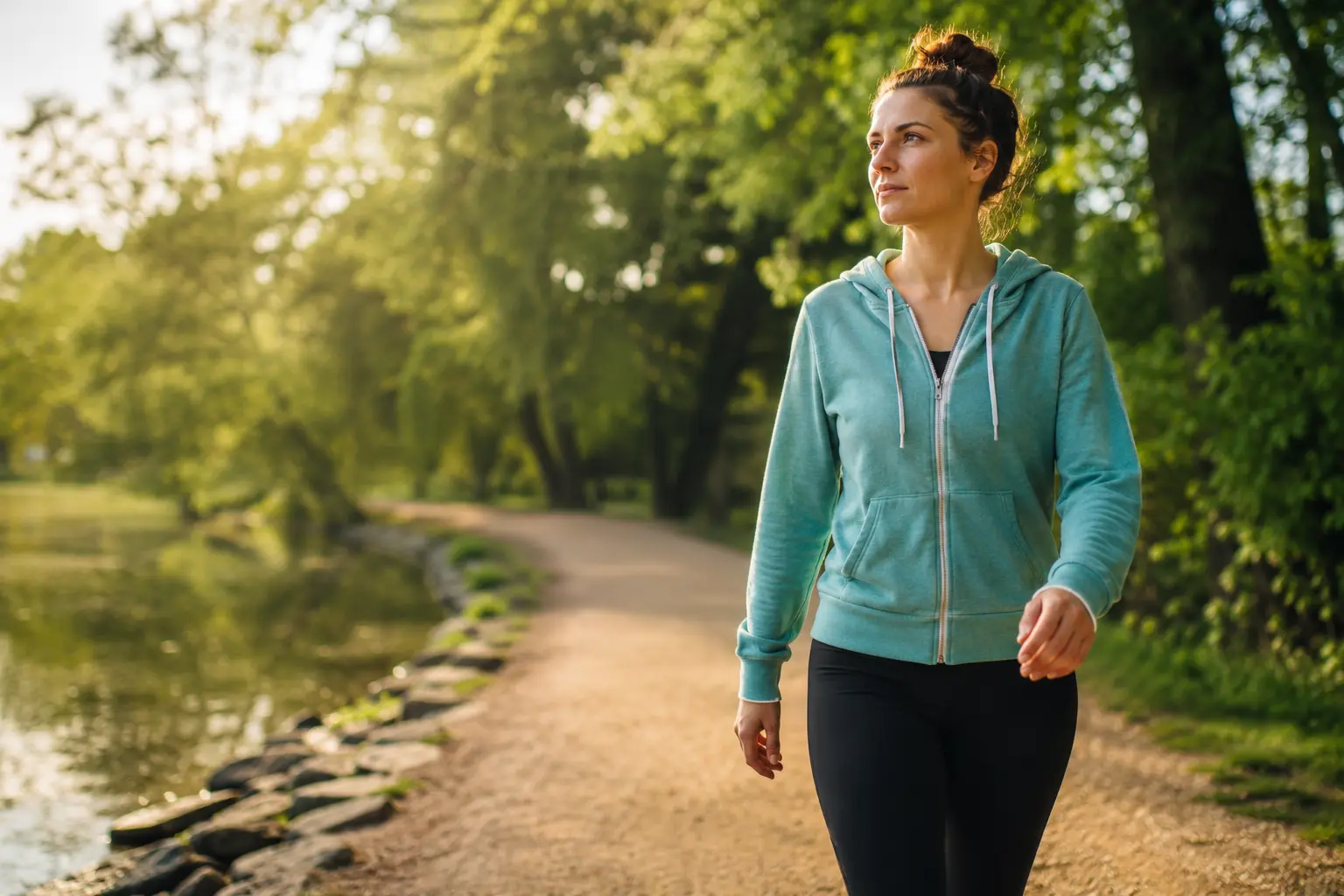
Walking is the most accessible low impact cardio option available to you, and it requires nothing but a pair of comfortable shoes and a safe path. Start with 10 to 15 minute walks around your neighborhood or local park, then gradually extend to 30 minutes as your endurance builds. Pay attention to your posture: keep your shoulders relaxed, engage your core gently, and let your arms swing naturally. A common mistake is walking too slowly to elevate your heart rate, so aim for a pace where you can talk but not sing. Indoor walking works just as well, especially on rainy days or in shopping malls where you can walk climate-controlled routes. Consider walking with a friend or joining a senior walking group for motivation and social connection. Track your progress by noting how far you walk or how you feel afterward. Many seniors discover that their balance improves and their confidence grows after just four weeks of consistent walking.
📘 Fix your day in under 2 minuteschoose where to begin:
Swimming for strength
Swimming offers a full-body workout that feels almost weightless because water supports your entire body while you move. The buoyancy reduces stress on joints by up to 90 percent, making it ideal if you have arthritis or joint concerns. You do not need to be a strong swimmer, just comfortable in water. Start with water walking in the shallow end, progress to gentle laps, or try water aerobics classes designed for seniors. A 70-year-old beginner might start with 15 minutes of mixed water activities twice weekly, then build to 30 to 45 minutes as fitness improves. Swimming strengthens your shoulders, core, legs, and arms simultaneously while improving cardiovascular endurance and flexibility. Many pools offer senior-specific swim times with warmer water and slower-paced classes. One often overlooked benefit is that swimming improves your breathing technique, which translates to better oxygen intake during all daily activities. The resistance of water also helps build lean muscle without the strain of weights.
Cycling for endurance
Cycling, whether outdoors on a traditional bike or indoors on a stationary machine, builds leg strength and cardiovascular endurance without impact stress. Stationary bikes are often easier for seniors because they offer stability, adjustable resistance, and the ability to stop instantly if needed. Start with 15 to 20 minute sessions at a comfortable pace where you can maintain a conversation. Adjust the seat height so your knee bends slightly at the bottom of each pedal stroke, preventing strain. Outdoor cycling adds mental stimulation and fresh air, but requires confidence with balance and traffic awareness. Many seniors prefer recumbent bikes, which provide back support and feel more stable than upright models. A common mistake is setting resistance too high too soon, which can strain knees, so increase resistance gradually every two weeks. Cycling strengthens quadriceps, hamstrings, and glutes while being gentle on joints. After six weeks of regular cycling, most seniors notice improved leg strength and the ability to walk upstairs or stand from chairs with less effort.
Elliptical training for stamina
Elliptical machines provide a smooth, gliding motion that feels natural and low impact while engaging your entire body. Your feet stay in contact with the pedals throughout the movement, eliminating the jarring impact of running. Start with 10 to 15 minutes at a comfortable speed with zero or minimal incline, focusing on smooth, controlled movements. The machine’s handles help with balance and allow you to engage your upper body, increasing calorie burn and muscle activation. Many seniors find ellipticals less intimidating than treadmills because the motion feels more forgiving and you control the pace completely. Avoid leaning heavily on the handles, which reduces the work your legs do and can strain your wrists. Gradually increase duration to 30 to 45 minutes as your fitness improves, then add slight incline or resistance to challenge yourself further. Elliptical training strengthens legs, core, and arms while improving cardiovascular fitness and bone density. Most seniors report feeling stronger and more capable in daily activities within three to four weeks of consistent elliptical use.
Low impact cardio exercises offer numerous benefits such as improved cardiovascular health, reduced joint pain, and enhanced overall well-being. Walking, swimming, cycling, and elliptical training are excellent options for seniors looking to stay active and healthy. Each activity can be modified to match your current fitness level and gradually increased as you build strength and endurance. The key is consistency and listening to your body’s signals. Start slowly, choose activities you enjoy, and aim for at least 150 minutes per week spread across several days. Consult your healthcare provider before beginning any new exercise routine to ensure it aligns with your individual health needs and goals.
Are low impact cardio exercises suitable for all seniors?
Low impact cardio exercises can be beneficial for most seniors, but it is essential to consult with a healthcare provider before starting any new exercise routine to ensure it is safe for your individual health needs. Those with specific conditions like severe arthritis, heart disease, or recent surgery may need modifications or clearance from their doctor.
How often should seniors engage in low impact cardio workouts?
Seniors should aim to engage in low impact cardio exercises for at least 150 minutes per week, spread out over several days. It is important to listen to your body’s cues and gradually increase the duration and intensity of your workouts. Starting with three 30-minute sessions weekly is a realistic goal for most beginners.
Others also read:
Disclaimer: This article is for informational purposes only and is not a substitute for professional medical advice. Always consult a healthcare professional for personal guidance.
This guide has been prepared and reviewed by the GlobalHealthBeacon editorial team and reflects current medical research as of 2026. It provides structured, evidence-based information to support informed health decisions.
